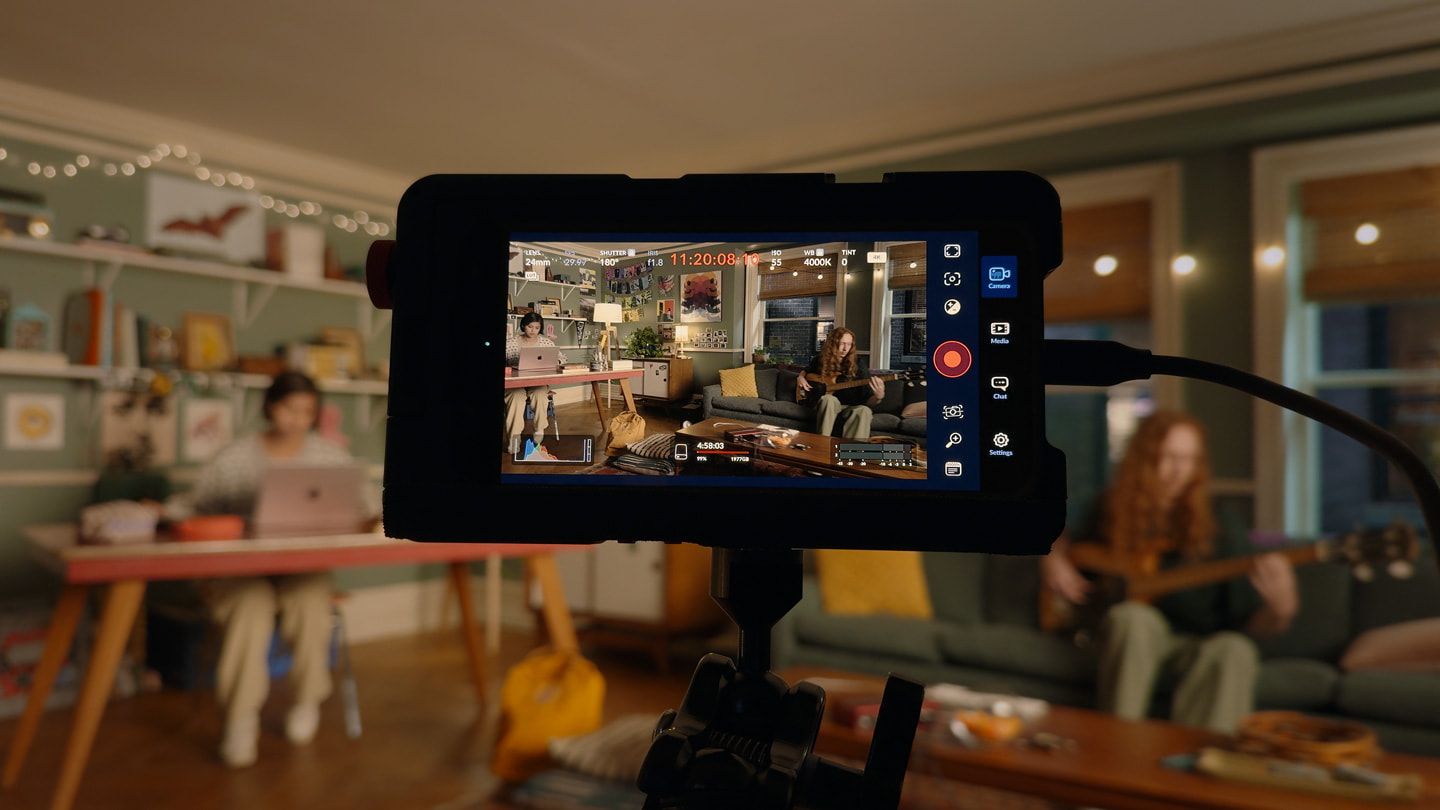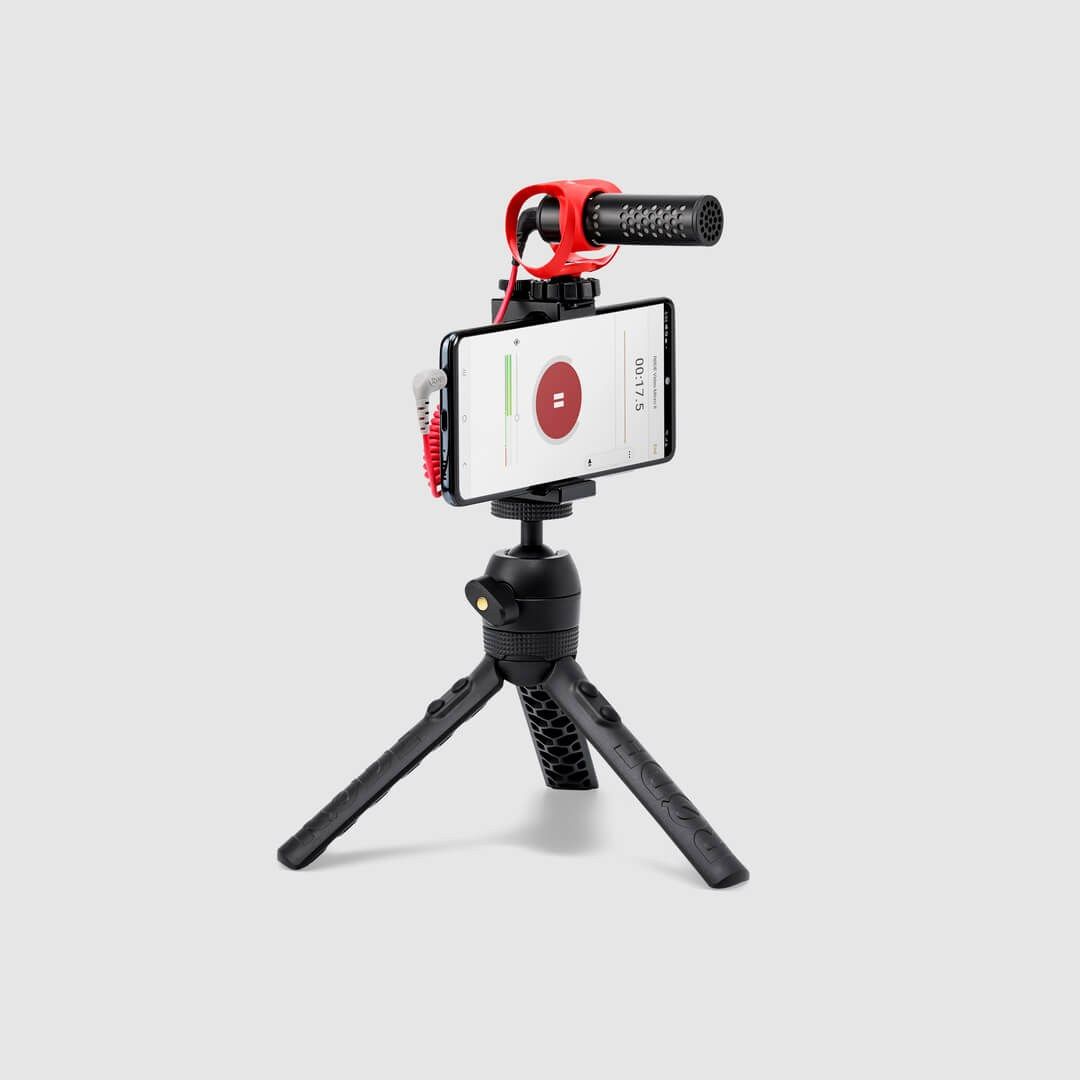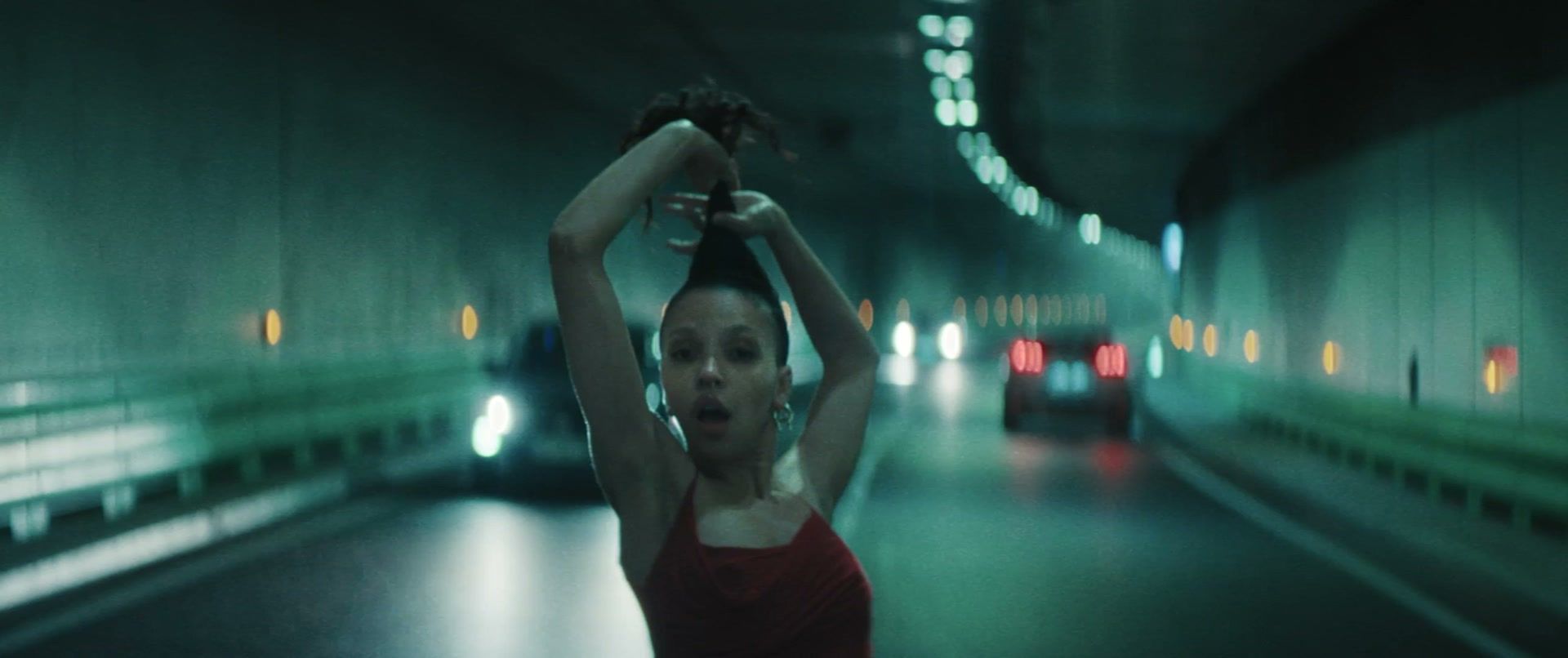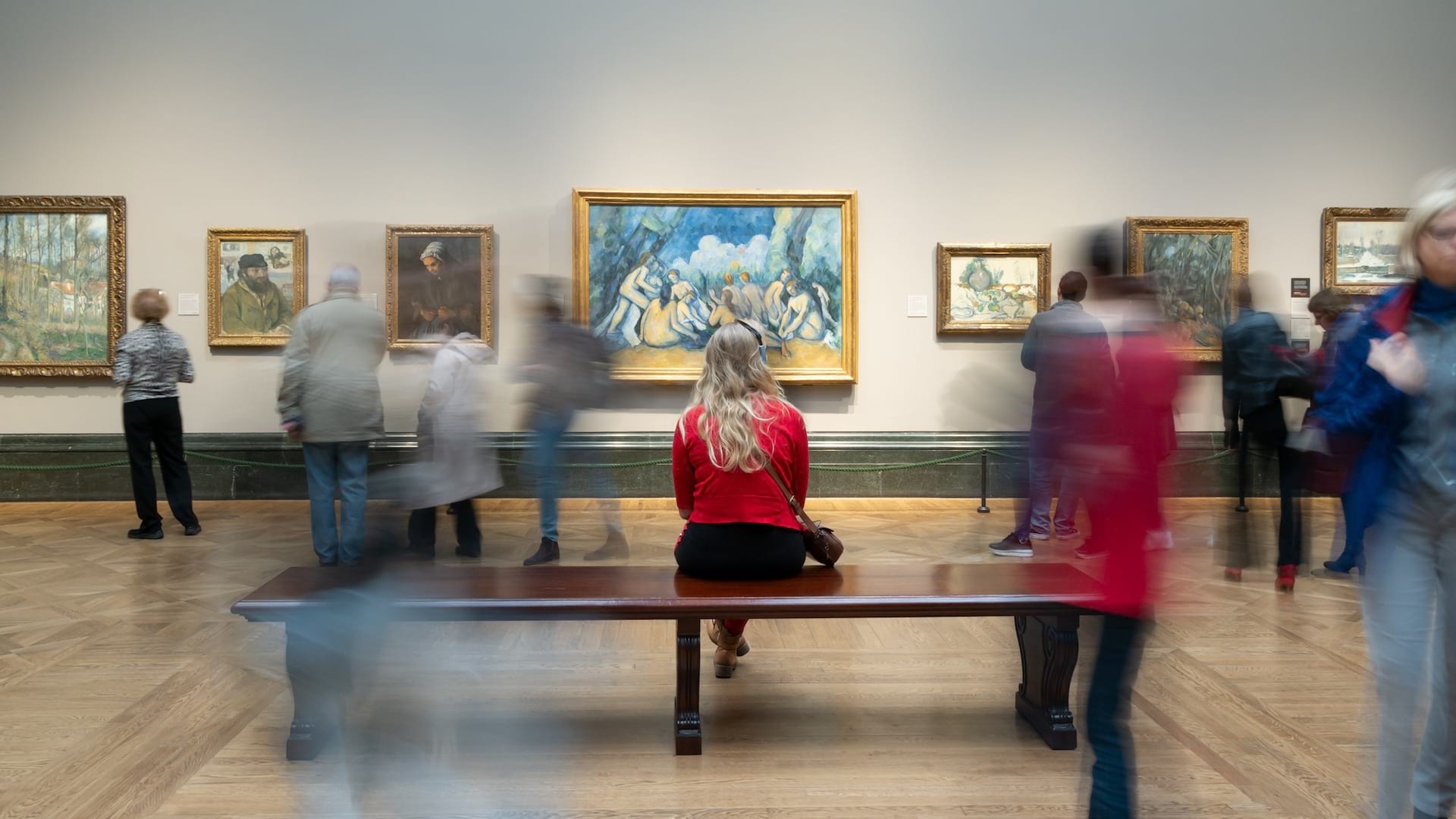
Start with the person and one useful light source. Bring them near a window, look at how the light crosses the face and choose a background before opening the camera menu. Indoors, the first improvement is often a small move by the person or the photographer. Then choose settings that keep the eyes sharp while the person breathes, speaks or shifts position.
Let the face show you where to stand
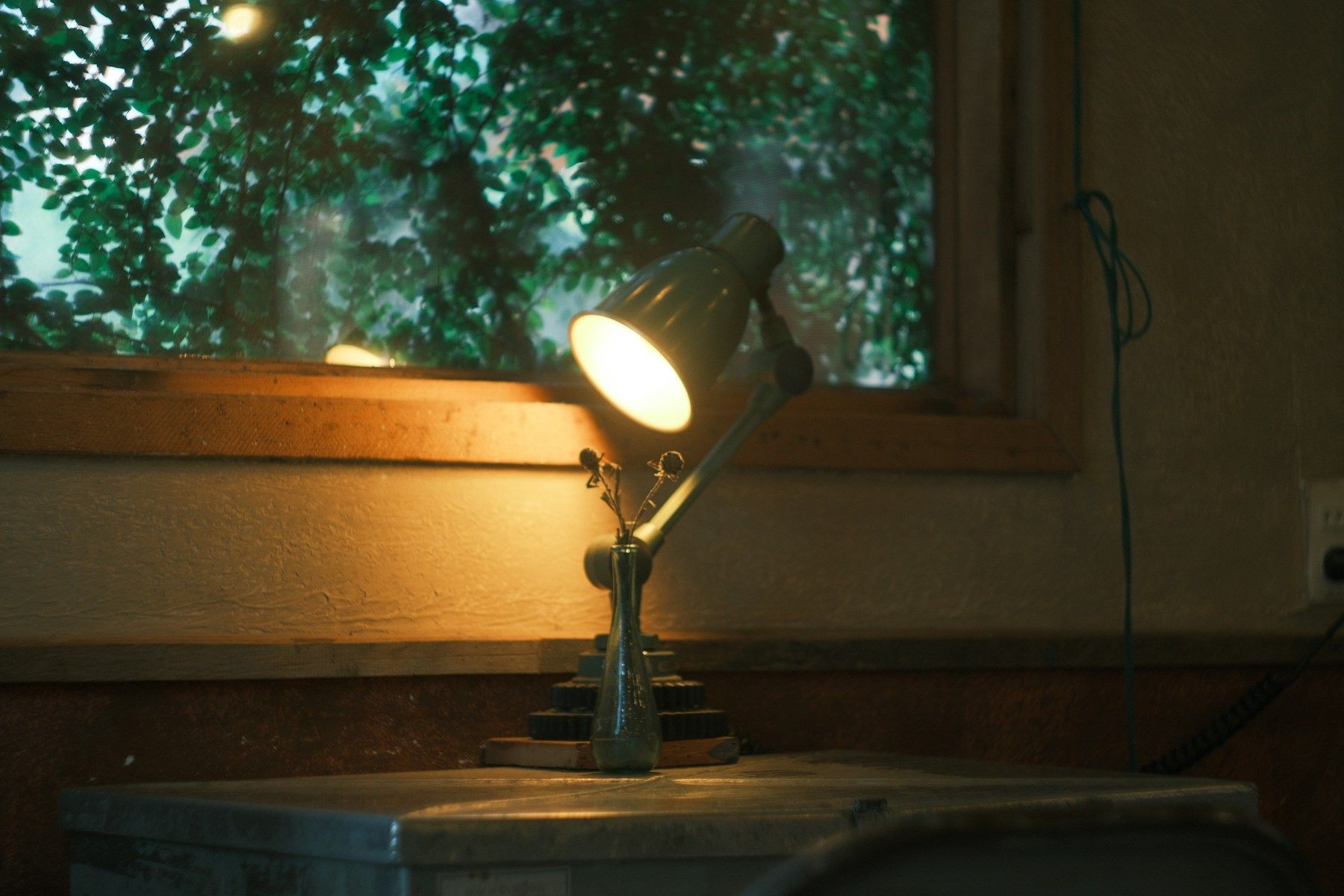
Ask the person to turn slightly toward the window, then away, while you watch the shadow on the far cheek. Move yourself as well. Facing into the room and shooting toward a bright window creates a different problem from keeping the window beside you. If a ceiling lamp introduces a second color on the face, try switching it off before correcting color in software.
Give the room a job
The self-portrait from Nikon School on the cover uses a textured brick wall as its background. The face remains easy to find because the framing stays simple. Check the edges for a lamp, door frame or bright patch that competes with the person. Move a step or change camera height before deciding that you need a wider aperture.
Decide whether you want soft light or a hard edge
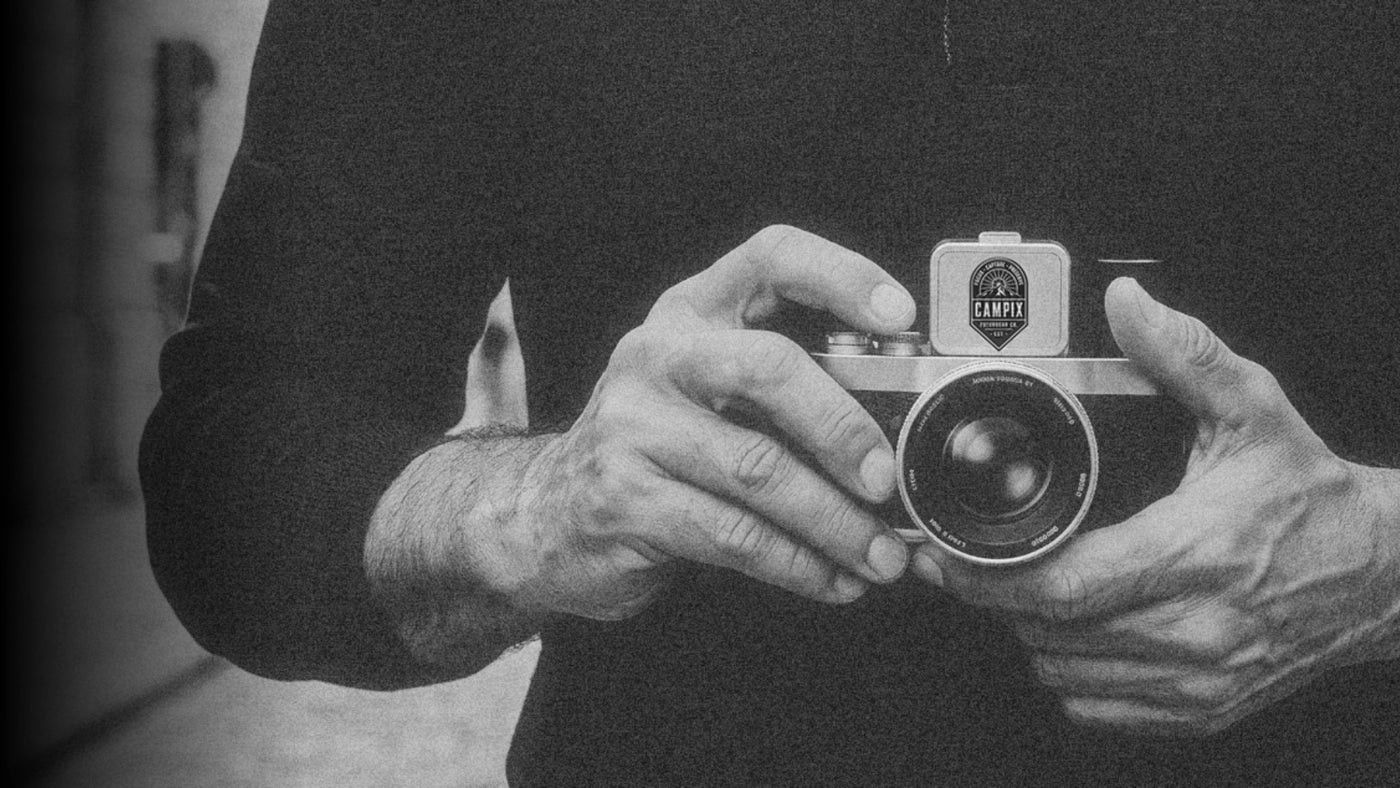
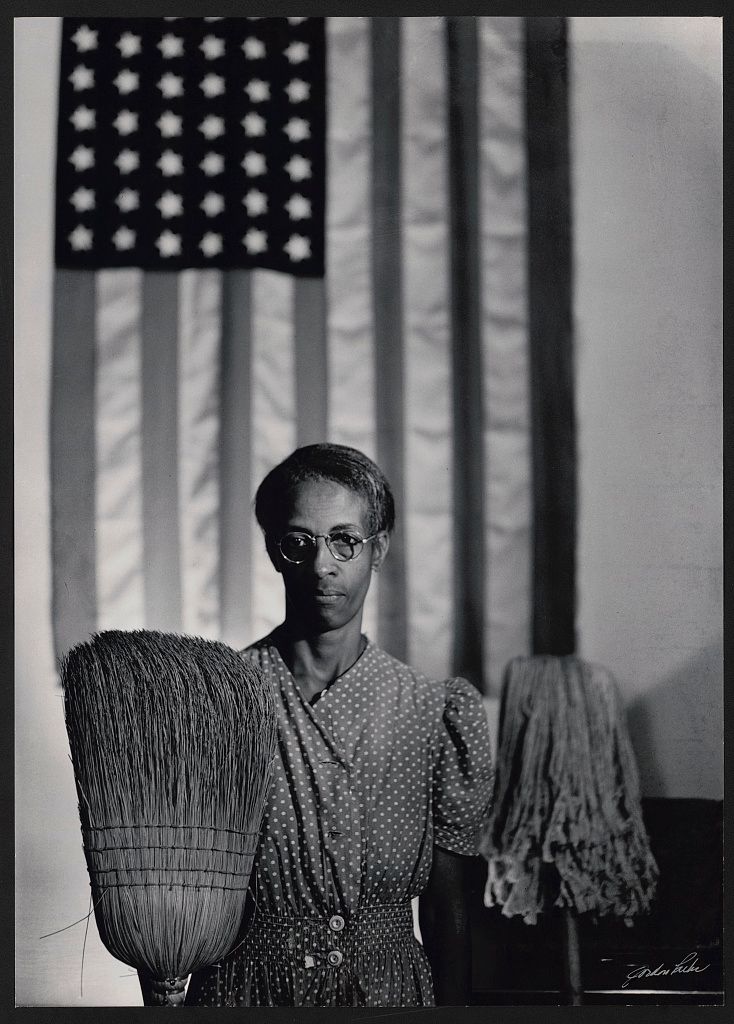
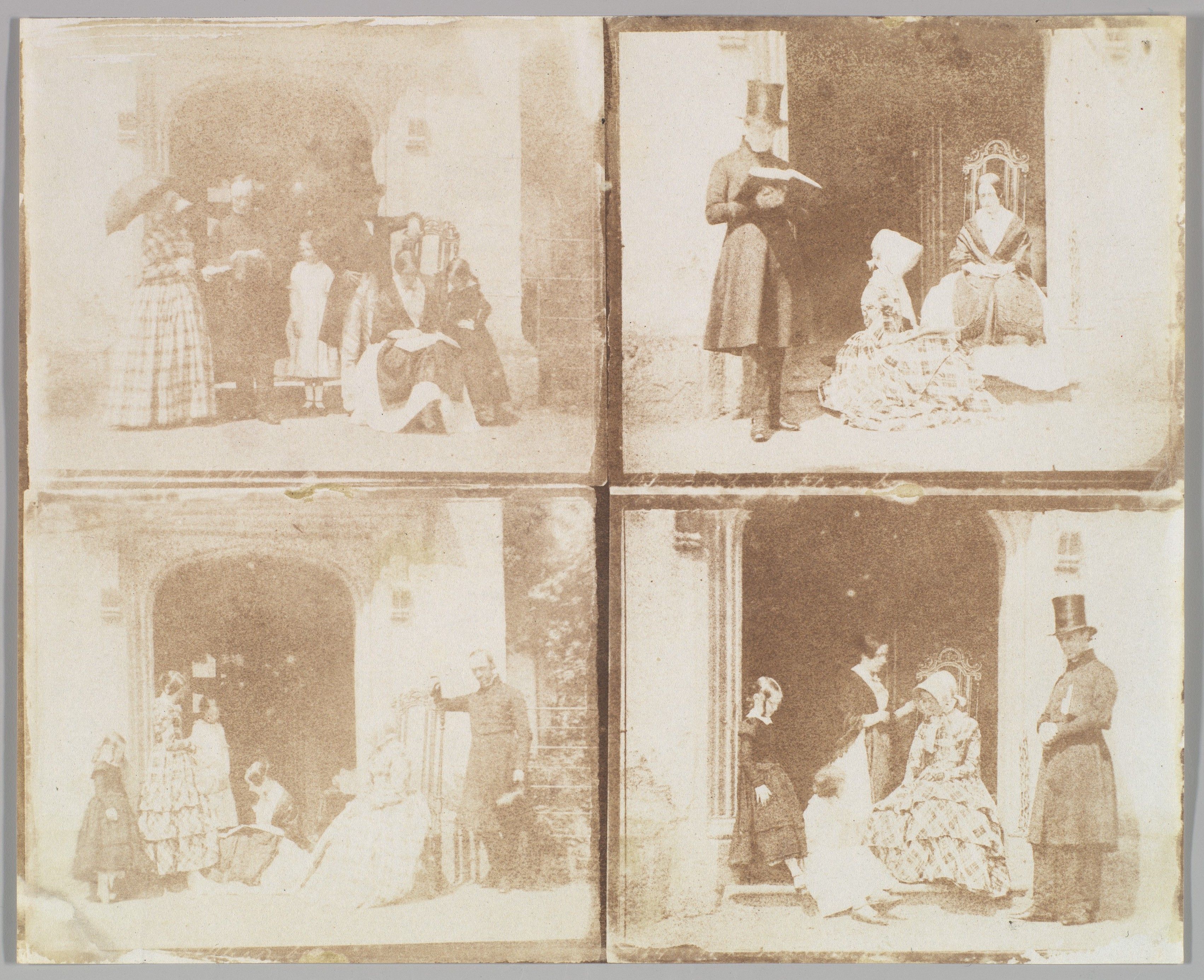
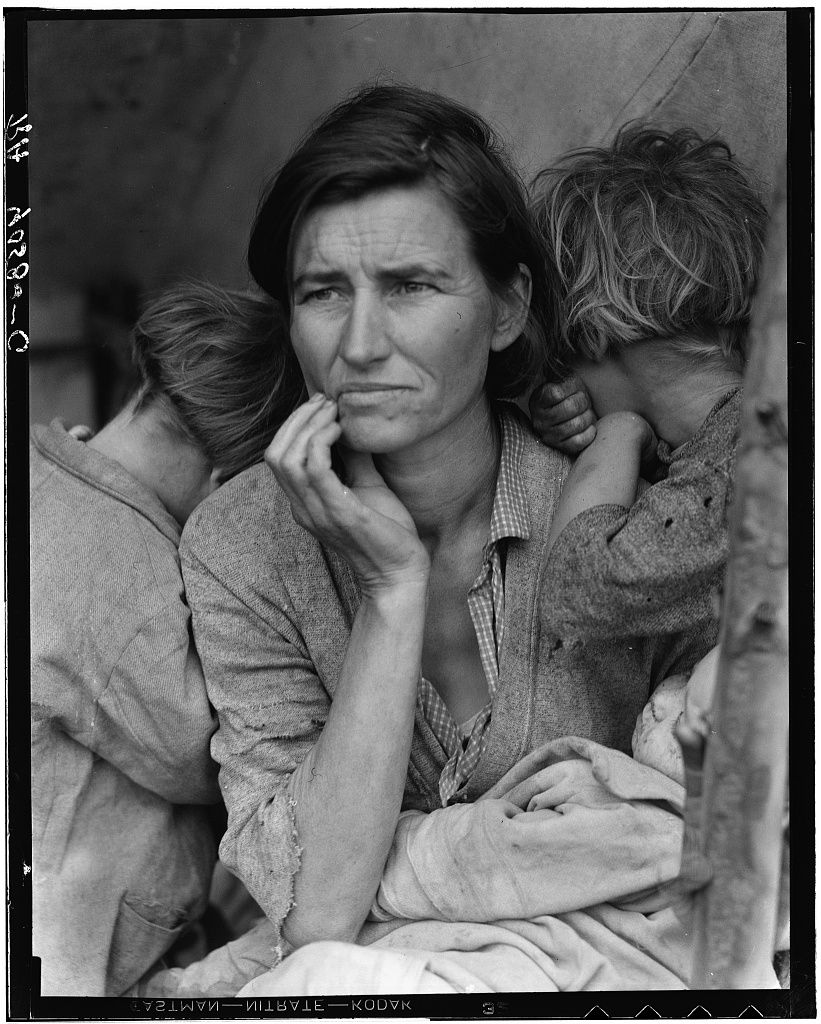
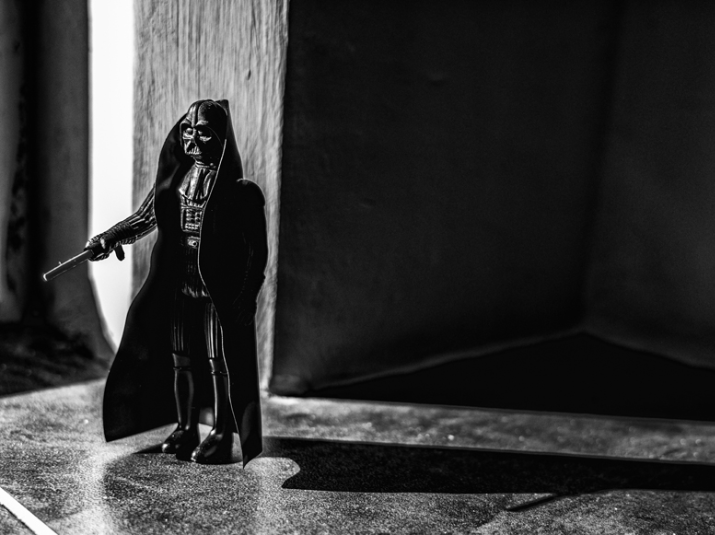
Window light is not always soft. Direct sun can make a sharp boundary; a cloudy sky or a larger diffuse source can give gentler transitions. In the black-and-white photograph below, the lit area and the surrounding dark wall become part of the composition. Treat that as a deliberate lighting choice rather than a mistake that must be brightened away.
Keep the person sharp, not just the camera
Focus on the nearer eye and review it at a useful magnification. If movement is blurred, try a faster shutter and let ISO rise when needed. Stabilization can reduce camera shake but cannot stop the person moving. With very shallow depth of field, a small lean may move an eye outside the sharp area. For two people at different distances, allow enough depth of field for both.
Make the next frame a useful change
Give one small direction at a time: turn a shoulder, relax a hand or look toward the window. Take another frame and compare it before changing several settings. When the light changes, check exposure and color again. Keep a wider view if the room adds a story; use a tighter frame when it distracts. If mixed lighting remains necessary, treat the local color differences in the edit rather than assuming one white-balance setting fixes every surface.