XTRA’s Muse 2 Pro Adds a Second Lens to a Pocket Gimbal
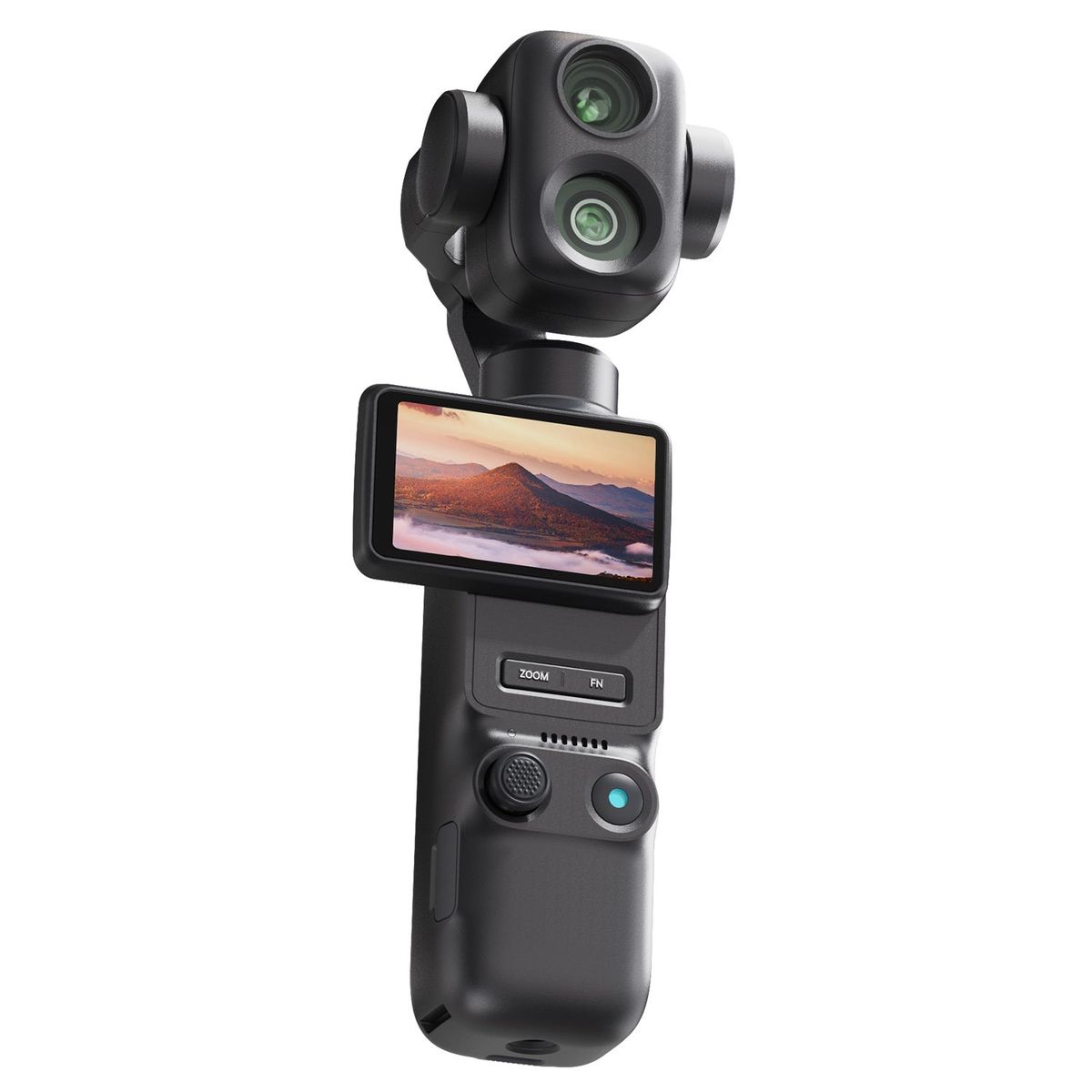
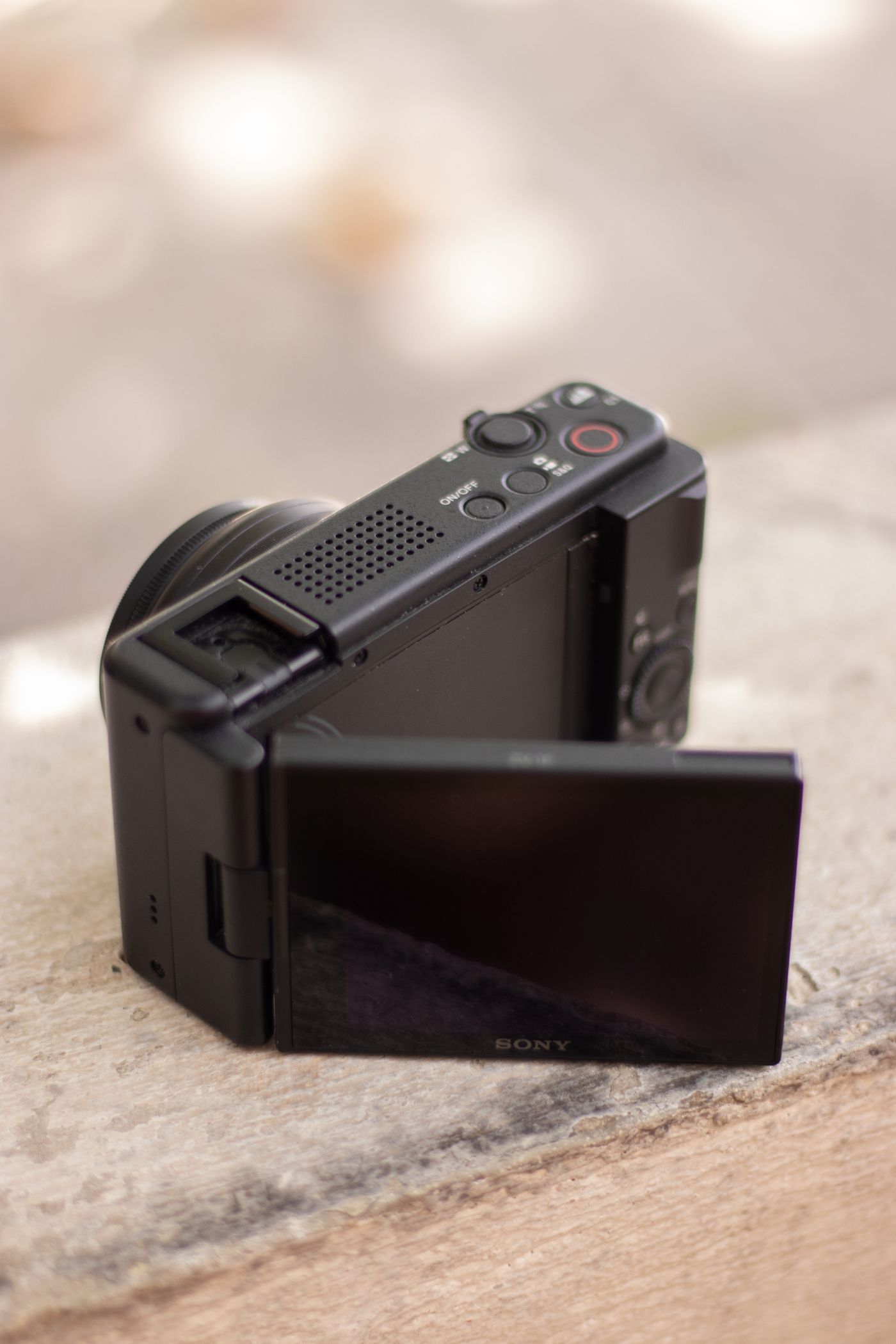
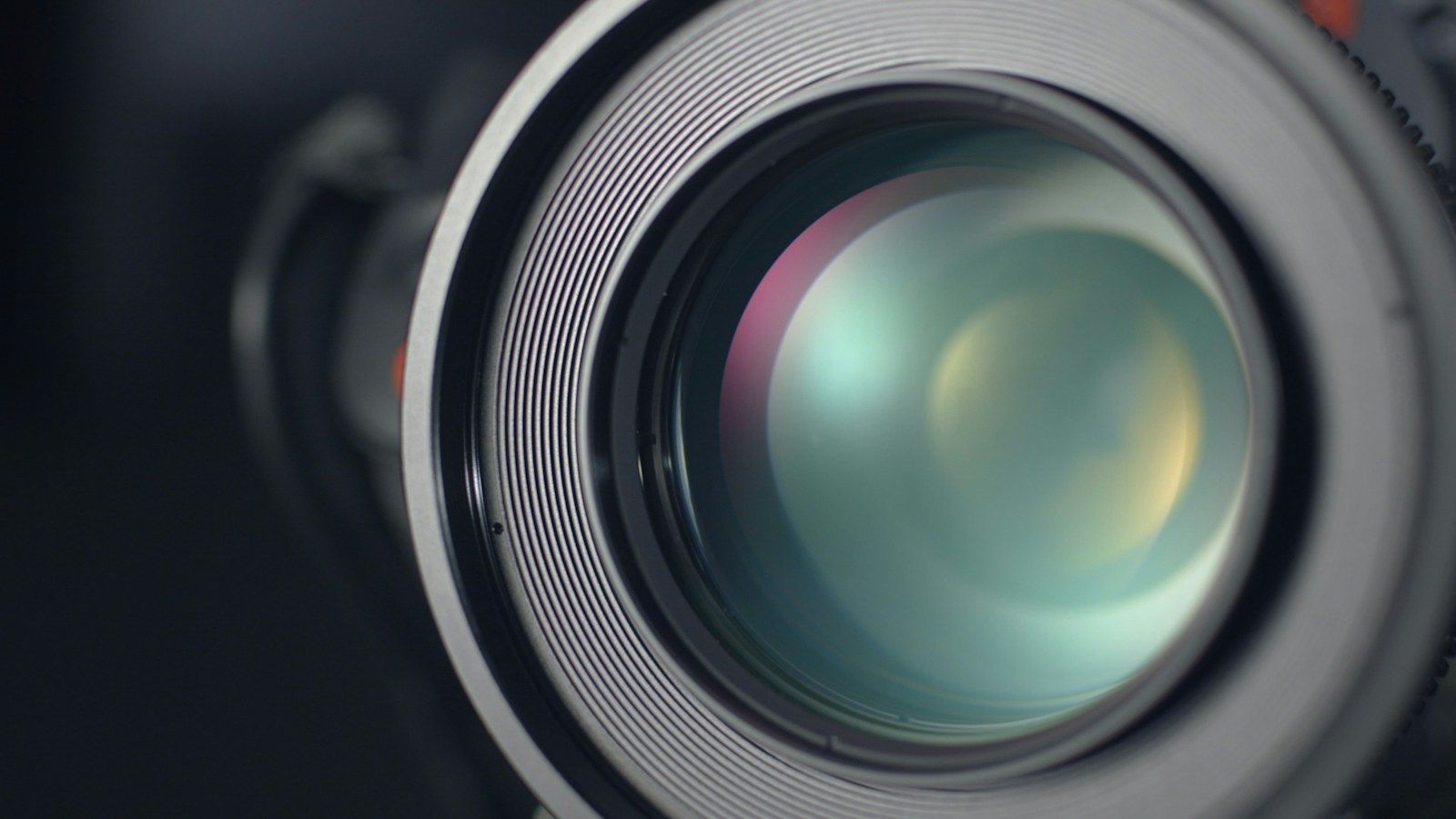
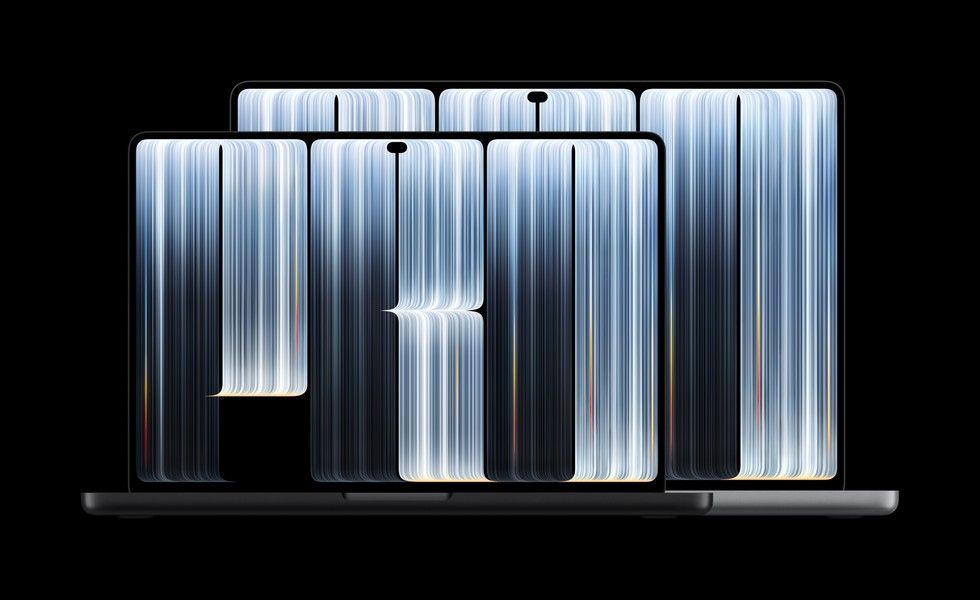
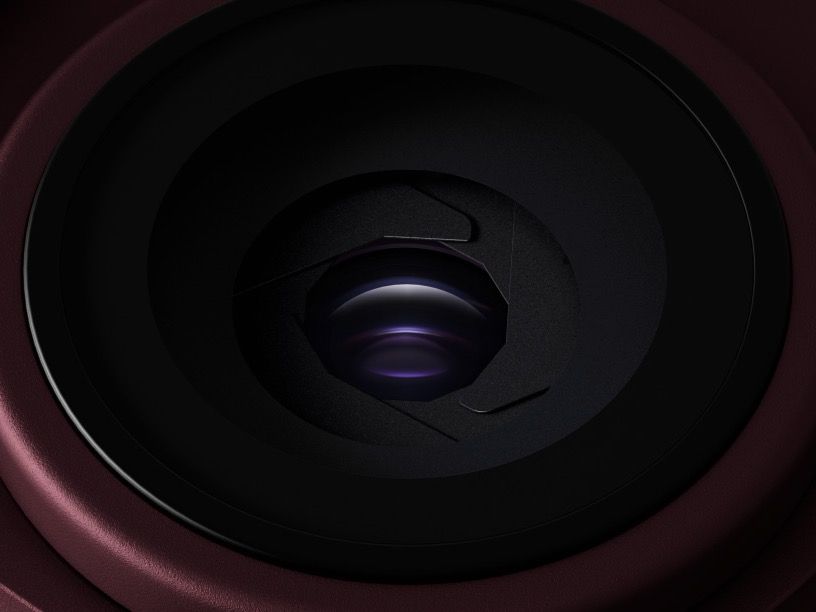
XTRA’s Muse 2 Pro pairs a 20 mm wide camera with a separate 60 mm camera. Its sibling uses the wide view alone.
Source: XTRA
XTRA’s Muse 2 and Muse 2 Pro are pocket cameras with built-in three-axis gimbals. Both start with a 20 mm-equivalent wide-angle camera and a 1-inch sensor. The Pro adds a separate 60 mm-equivalent f/1.8 camera with a smaller sensor. At the same camera position, that gives you a tighter optical view for a cutaway or portrait without cropping the wide camera’s image.
What the Pro changes
XTRA lists 10-bit X-Log 2 for the Muse 2 and 10-bit X-Log 3 for the Pro. Both record standard video at up to 4K/60 fps. Those 4K/240 fps numbers refer to a separate slow-motion mode. On the Pro, that top speed applies to the wide camera, while the 60 mm camera tops out at 4K/200 fps in slow motion. You can start filming without a card in either camera. XTRA lists 107 GB of built-in storage for the Muse 2 and 103 GB for the Pro.
Check which storefront is taking orders
As of November 16, XTRA’s own shop lists the Muse 2 and Muse 2 Pro as shipping to Canada only. A separate authorized retailer, XTRACAMERA, lists both models on its U.S. storefront. Check the delivery estimate for the exact kit you’re considering, since the listings include both standard bundles and kits marked for preorder.
Something worth opening.
Photography, film, technology, art and culture. Get new stories from Remjet Magazine in your inbox.
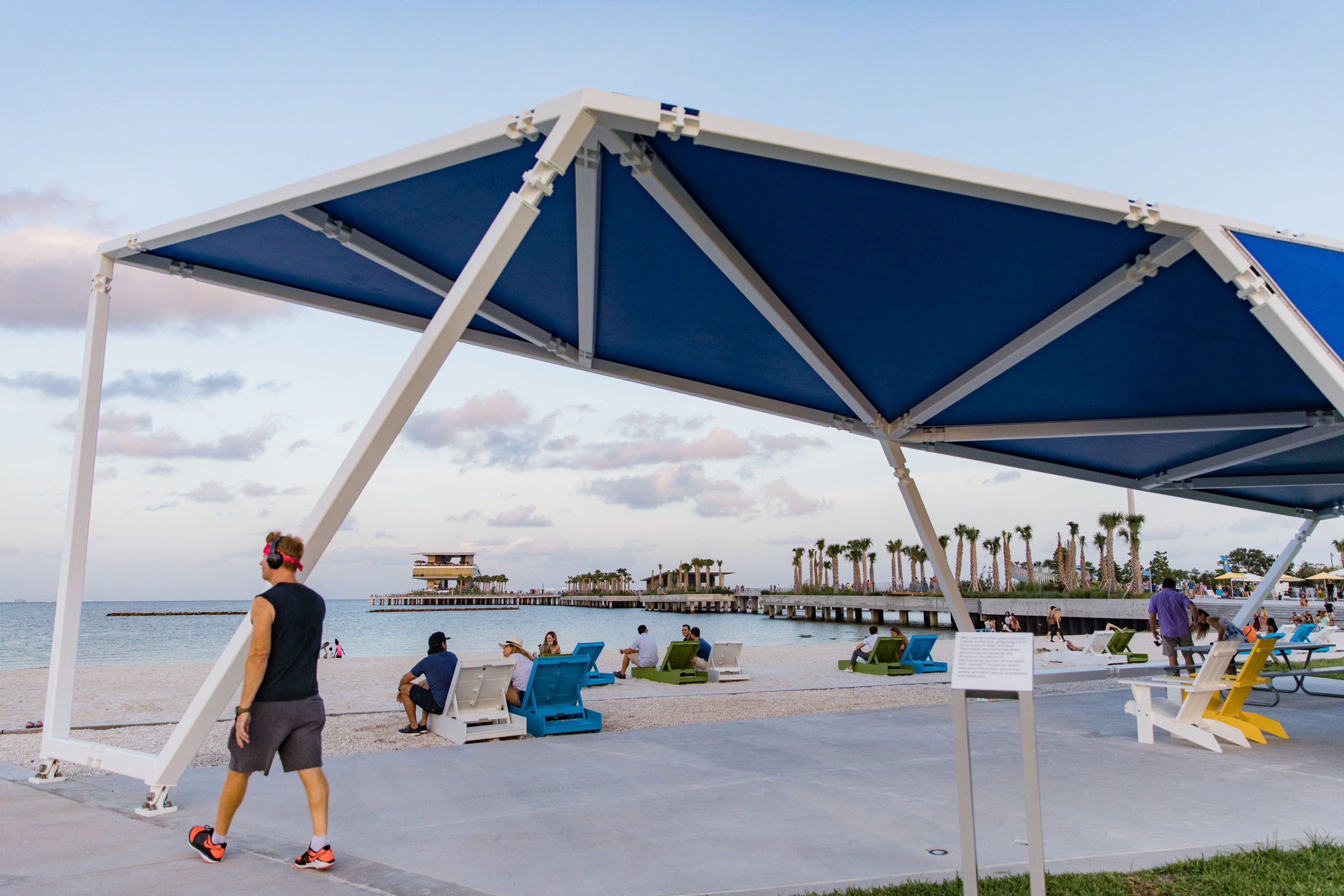
Follow the St. Petersburg waterfront from Spa Beach to the First Flight sculpture and the Fishing Deck. Each stop gives you a different way to frame Tampa Bay.
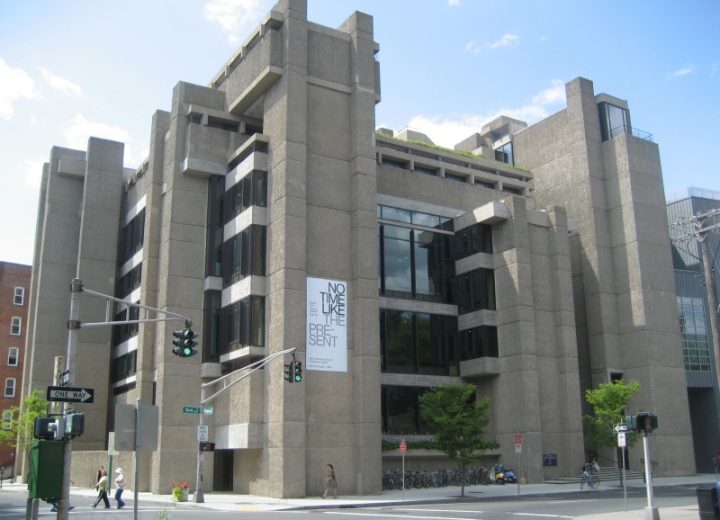
The ridges of Rudolph Hall cast narrow shadows. The Kimbell’s smooth concrete vaults spread daylight. Two buildings give photographers different ways to frame light.
Check the museum’s visitor policy, then look for signs in the exhibition. A handheld photo, a tripod and a planned shoot can each follow different rules.
Walk from Charleston’s Waterfront Park to White Point Garden via Rainbow Row. Look for open harbor light, repeated facades, and the contrast between the oak canopy and the seawall.
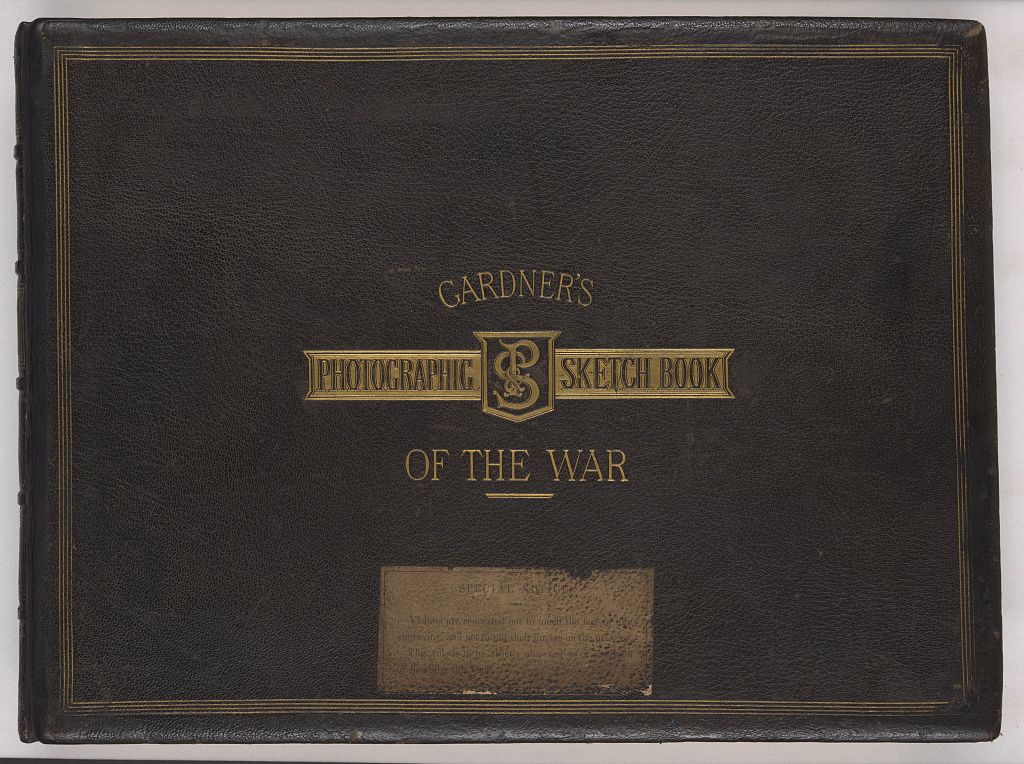
Read a photobook through its page turns, captions, scale and sequence. A practical looking exercise, with an 1866 book showing how text and photographs work together.
Depth of field describes the range that looks acceptably sharp. Learn how aperture, focus distance and background separation affect a picture, with a repeatable exercise.
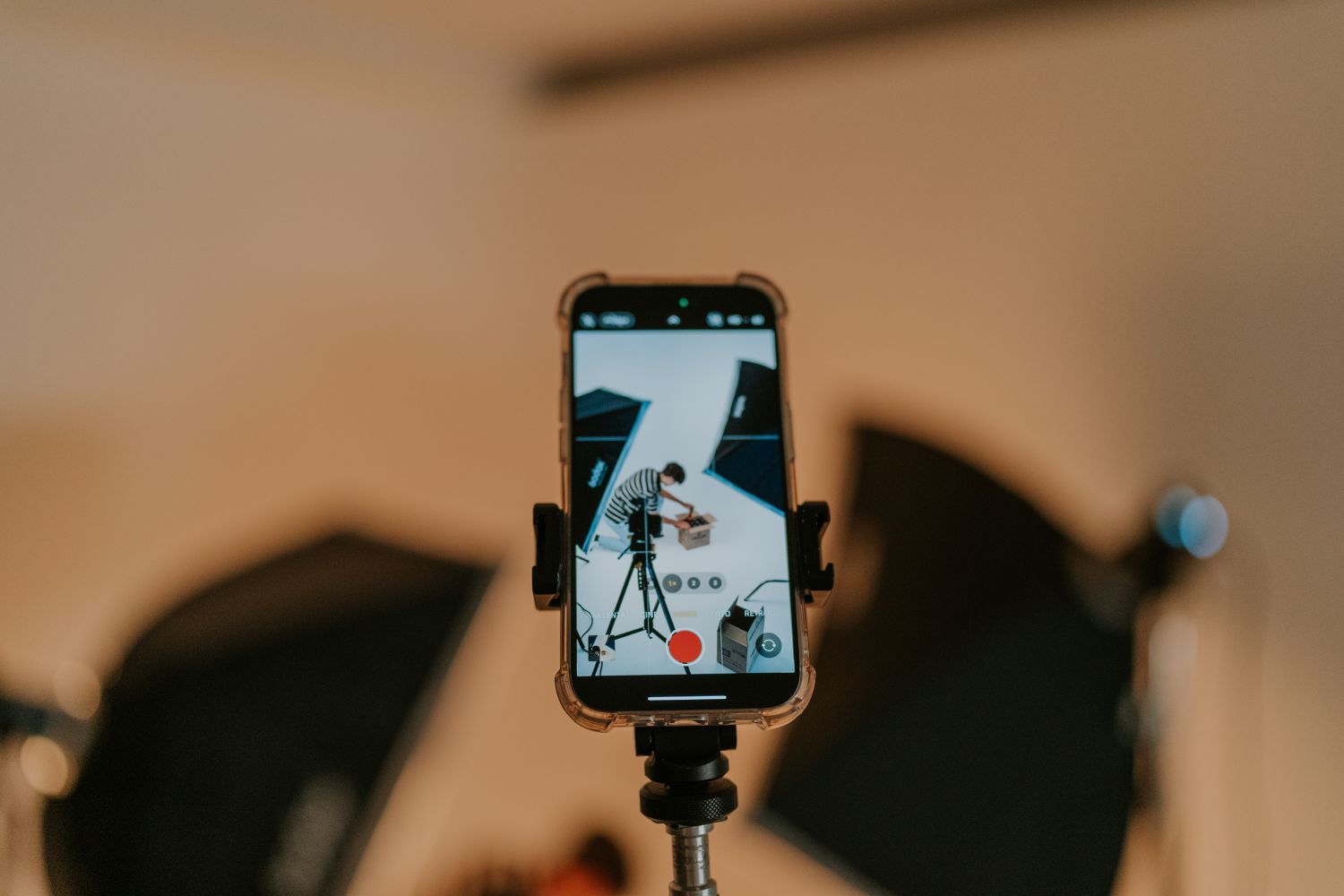
A separate camera needs a reason to leave the house. Compare framing, handling and the file workflow before assuming any compact is an upgrade from your phone.
Street life, railway stations and an imagined New York reveal how postcards could picture a place, sell an idea and change from one printing to the next.
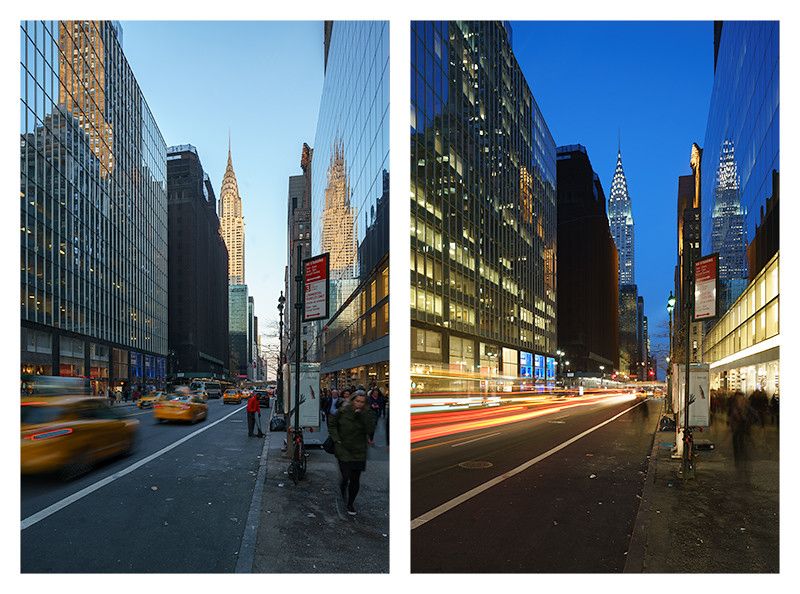
Find the viewpoint, check the light and work out how to get there. A practical scouting plan for a photo walk, a day trip or somewhere you have never visited.
Explore Remjet 1.0 feature by feature: camera controls, RAW photos, video projects, color grading, audio, collages, exports, location scouting, and light planning.