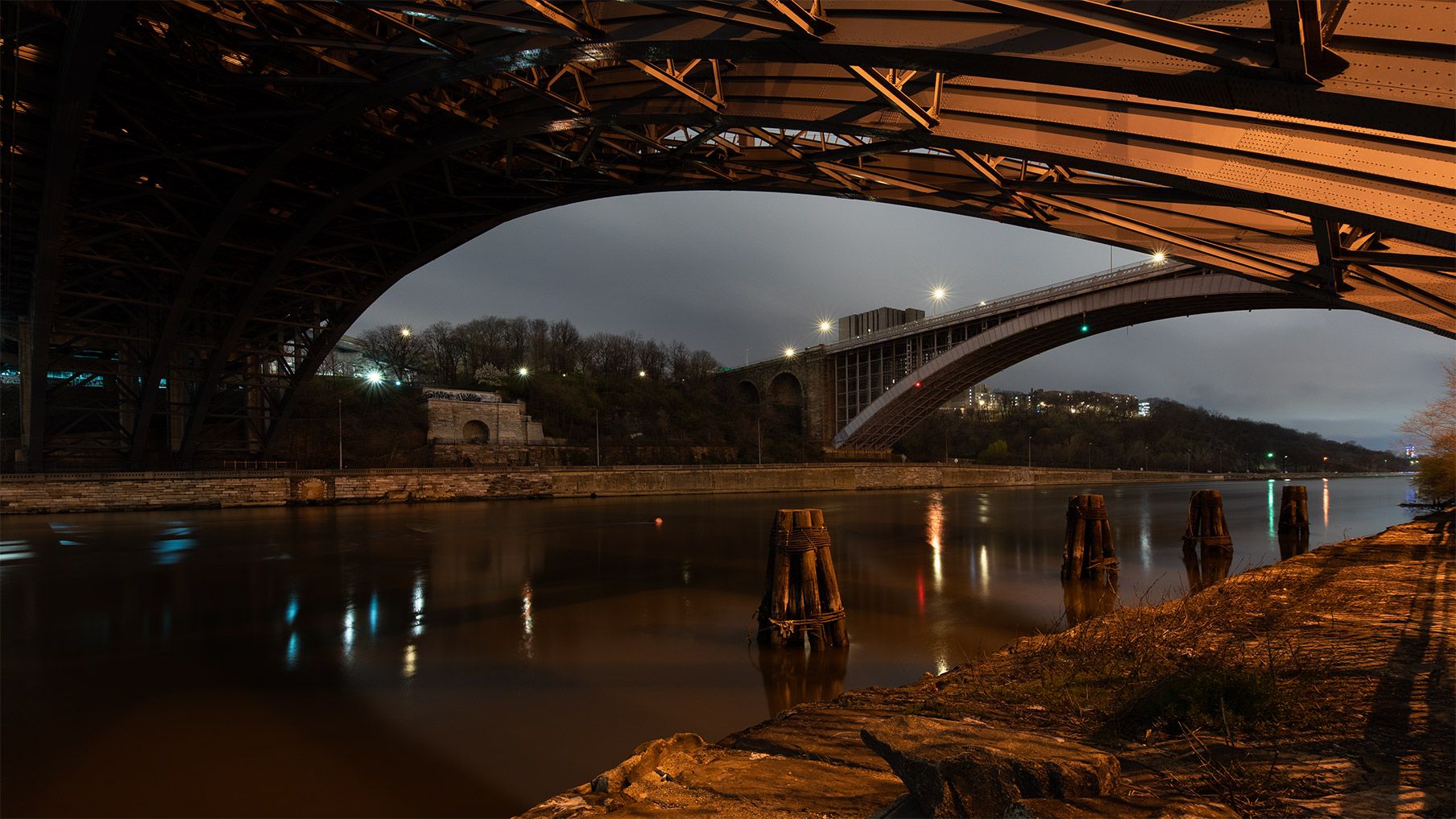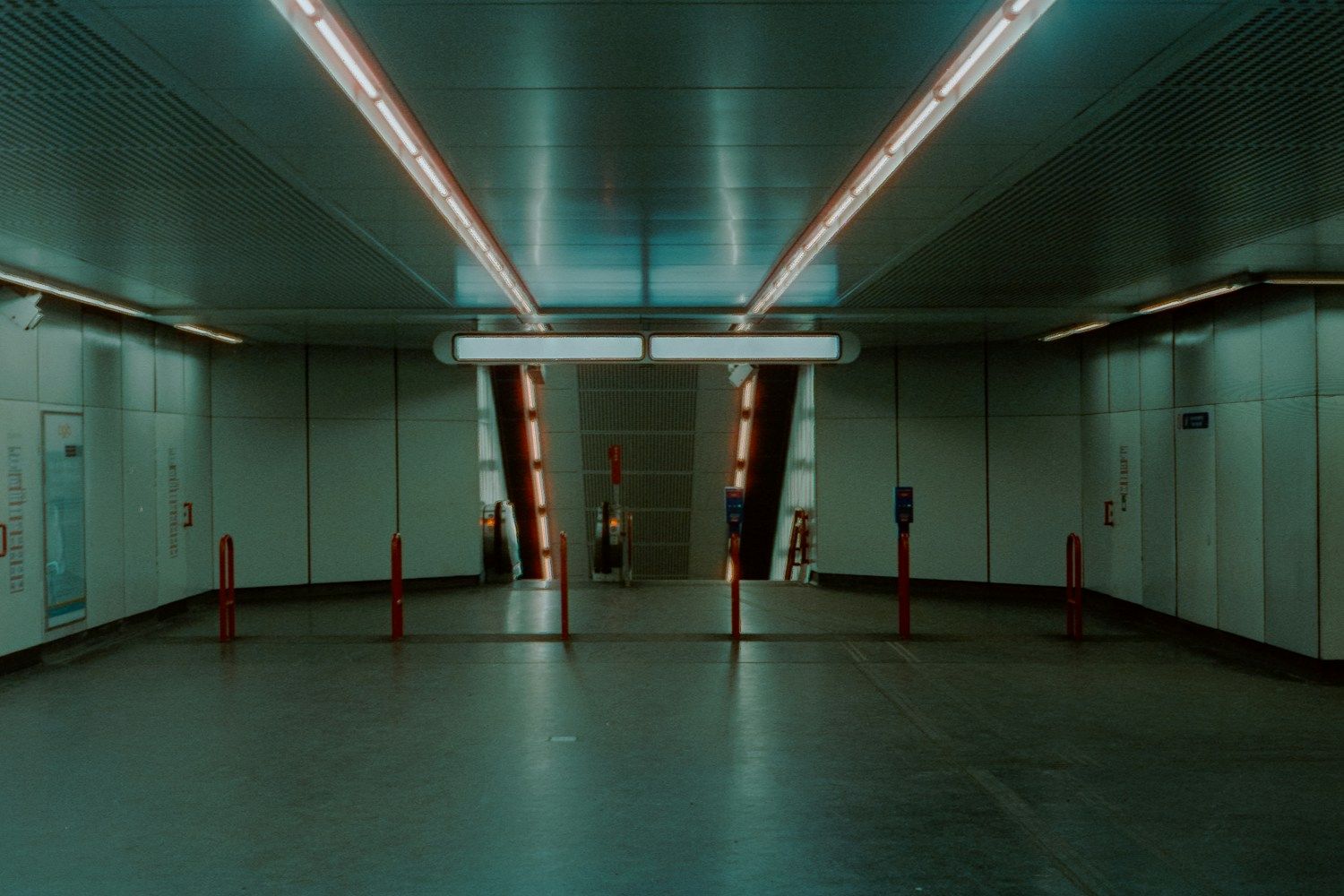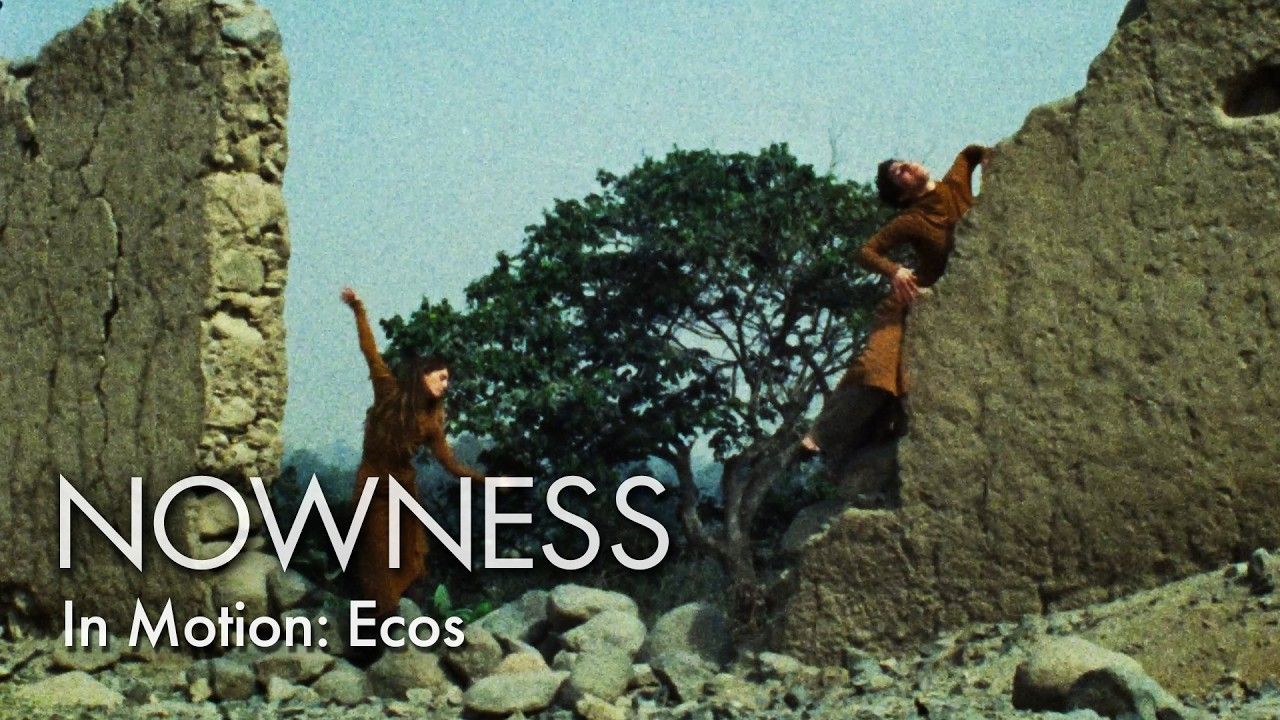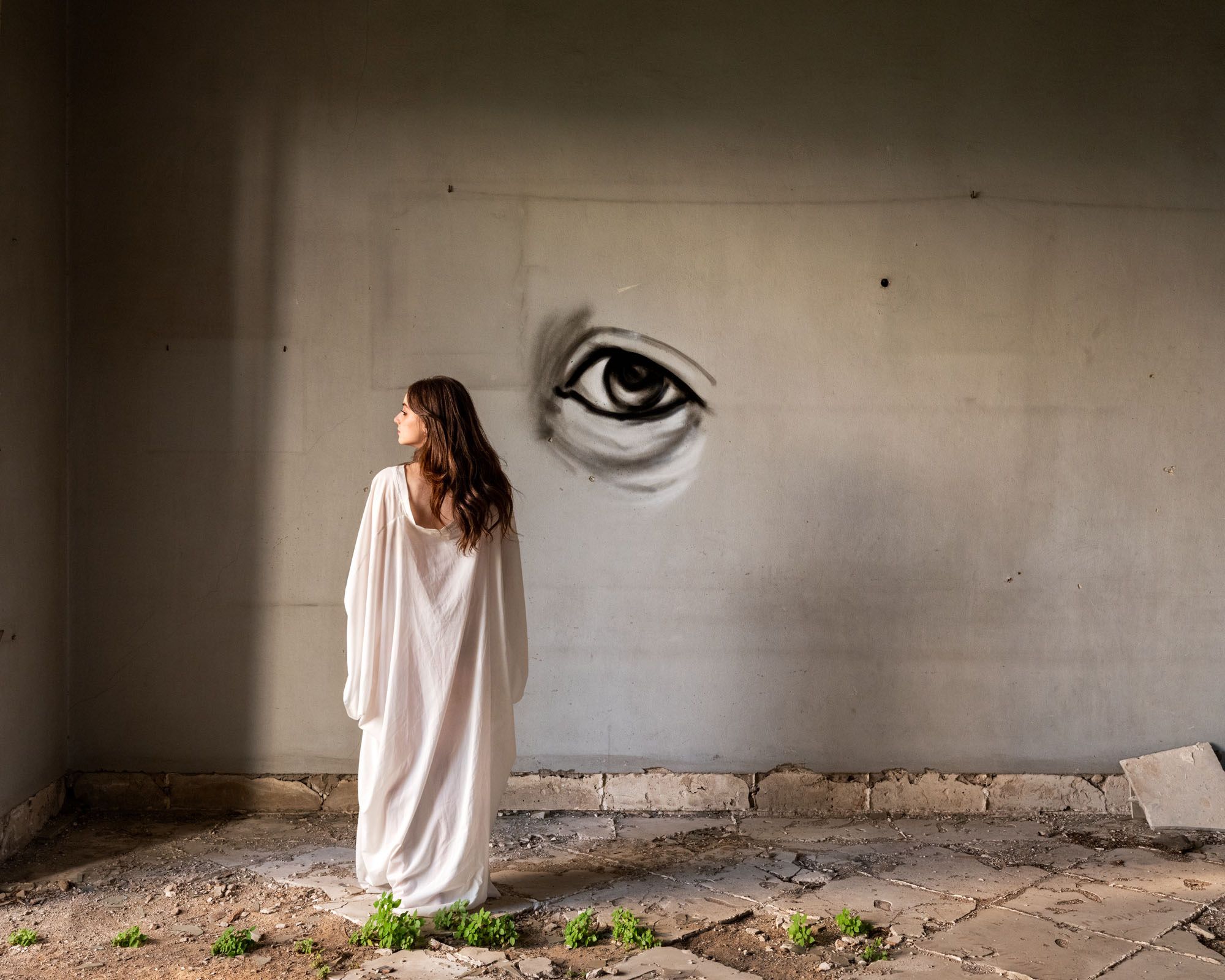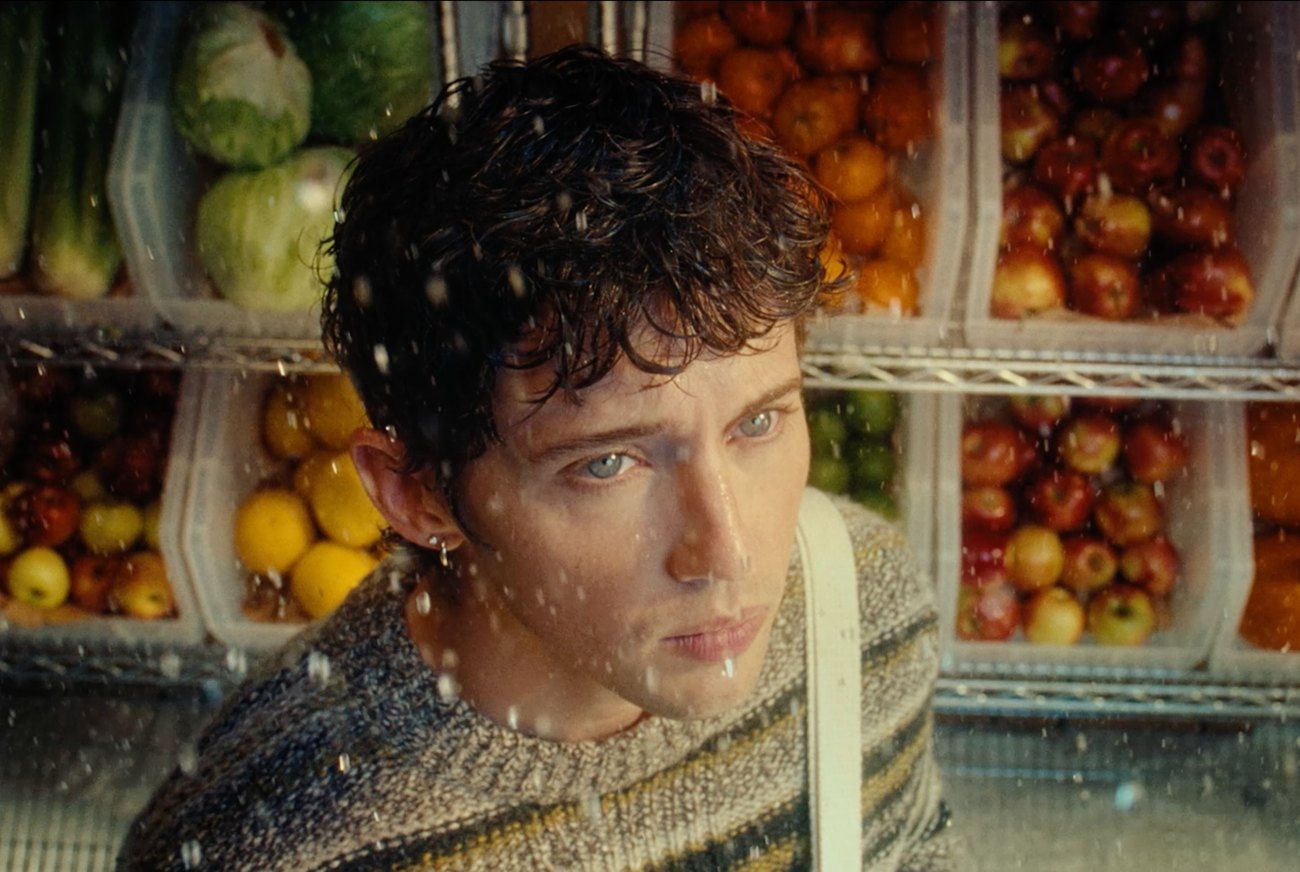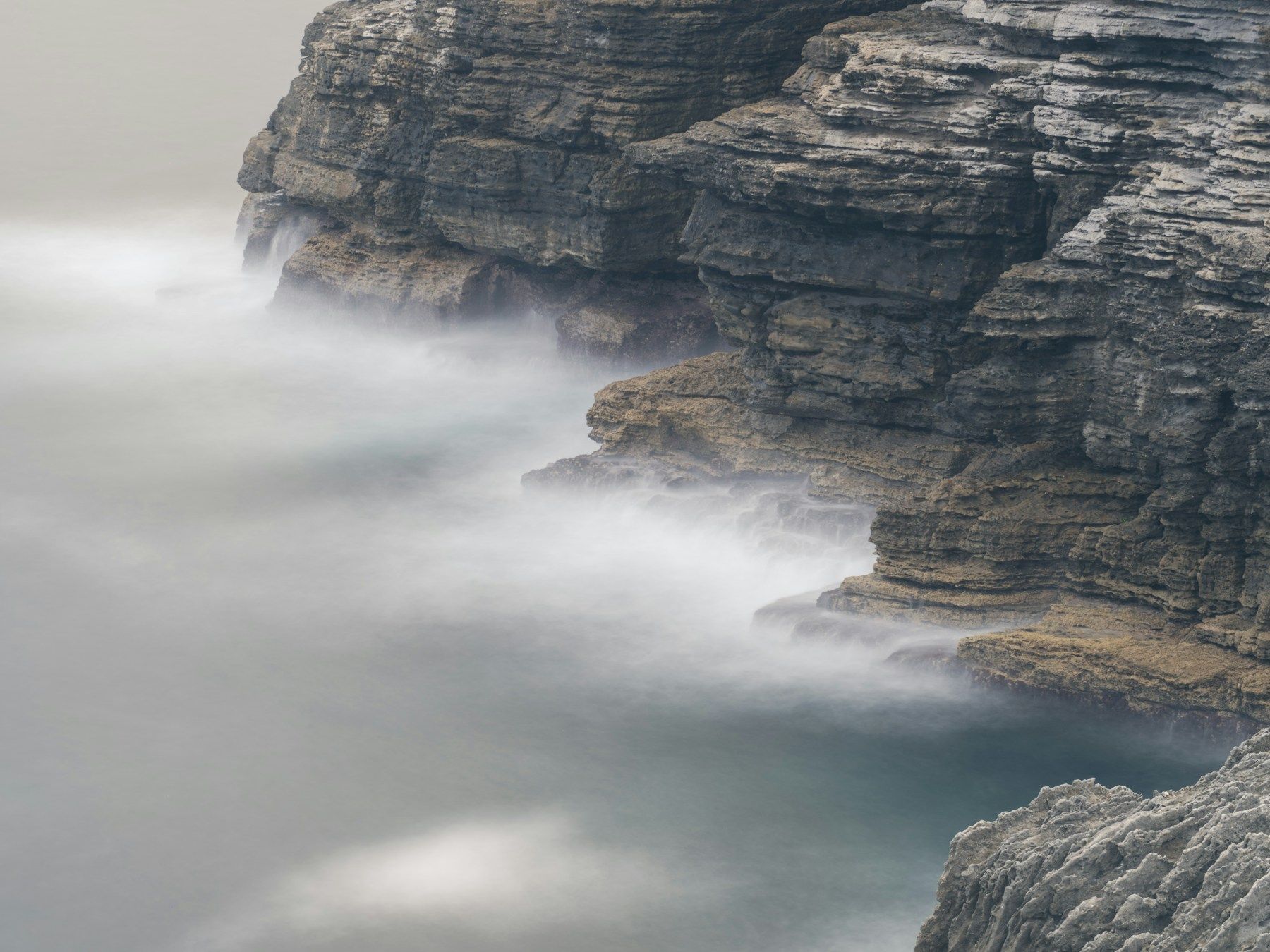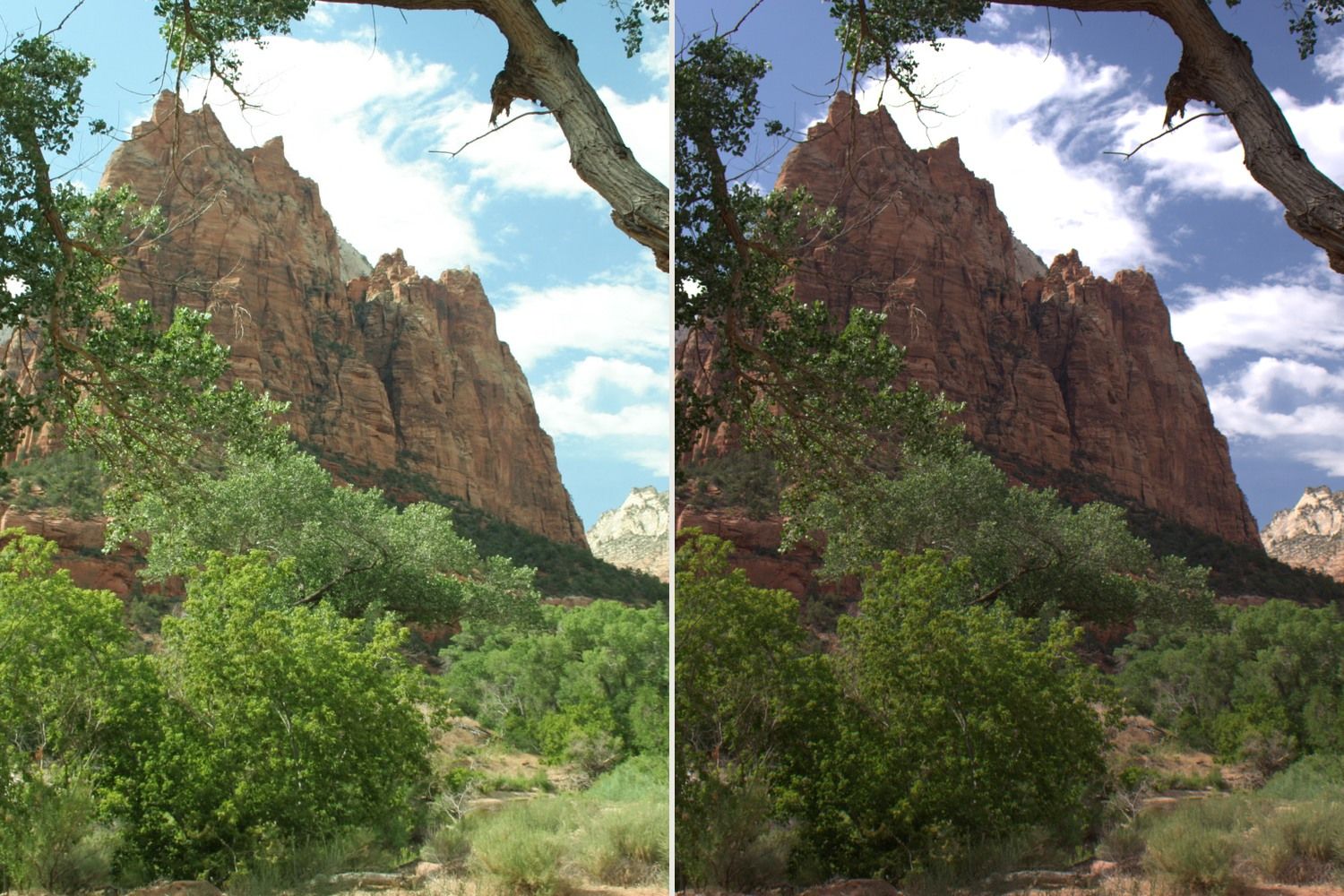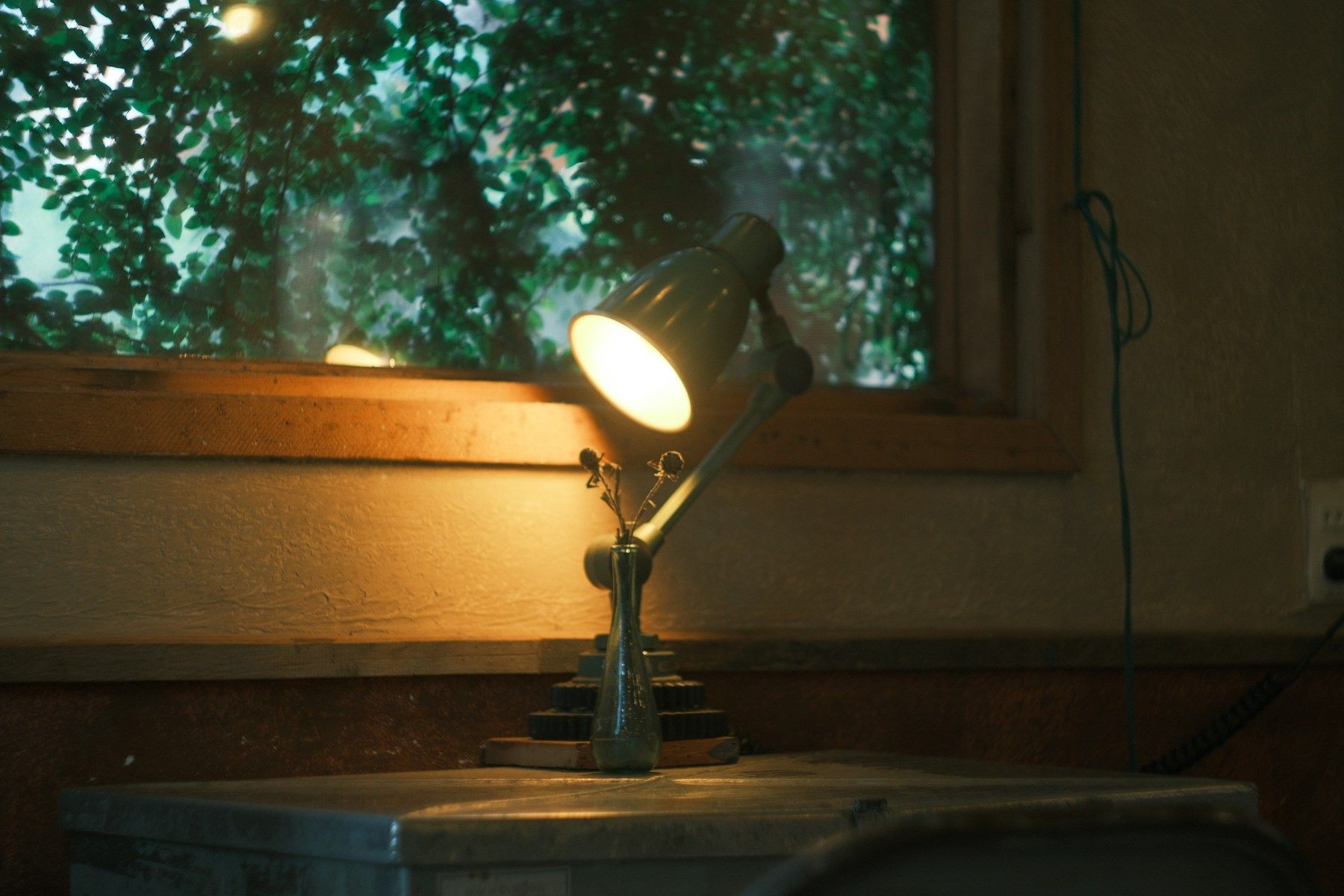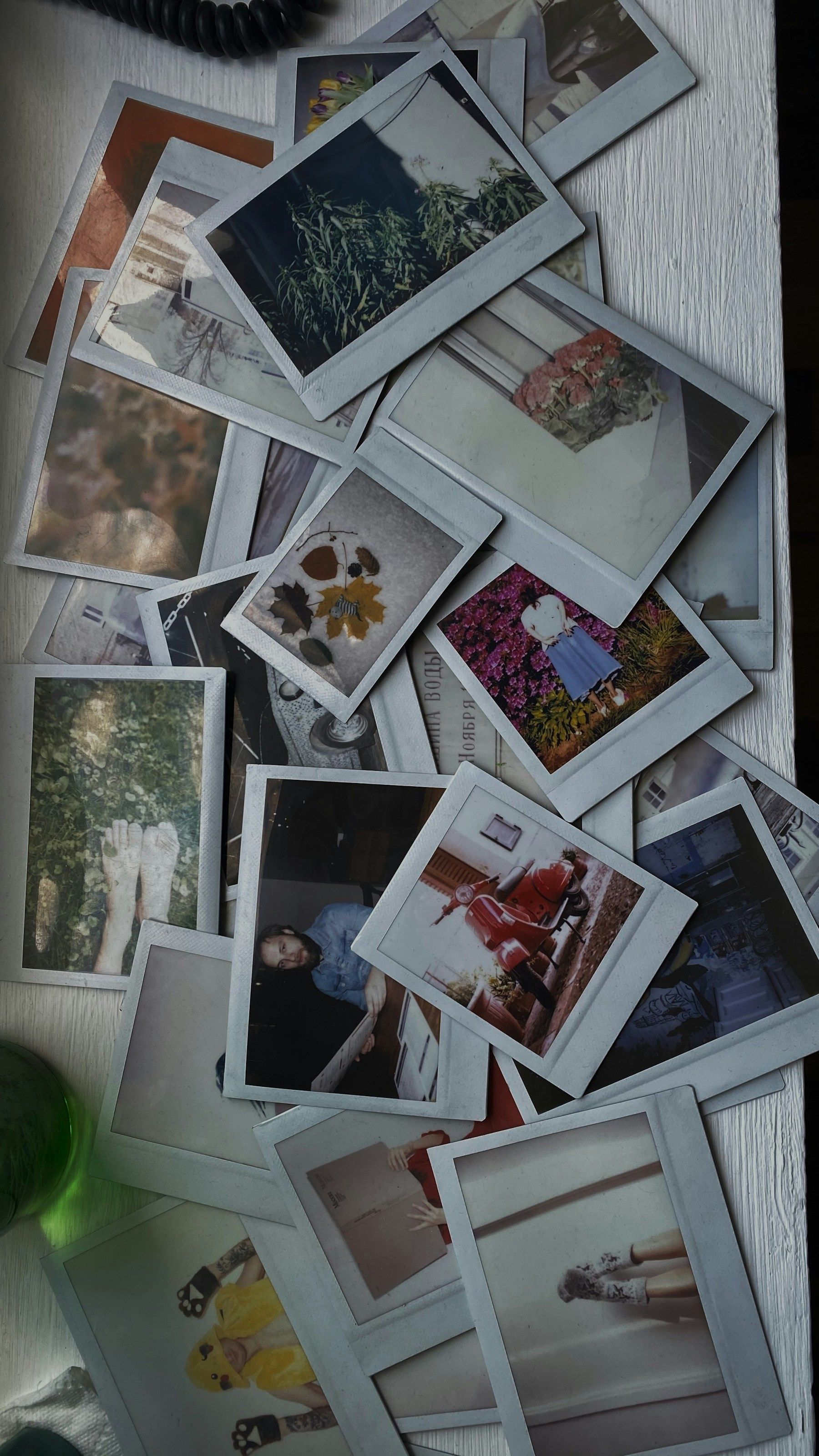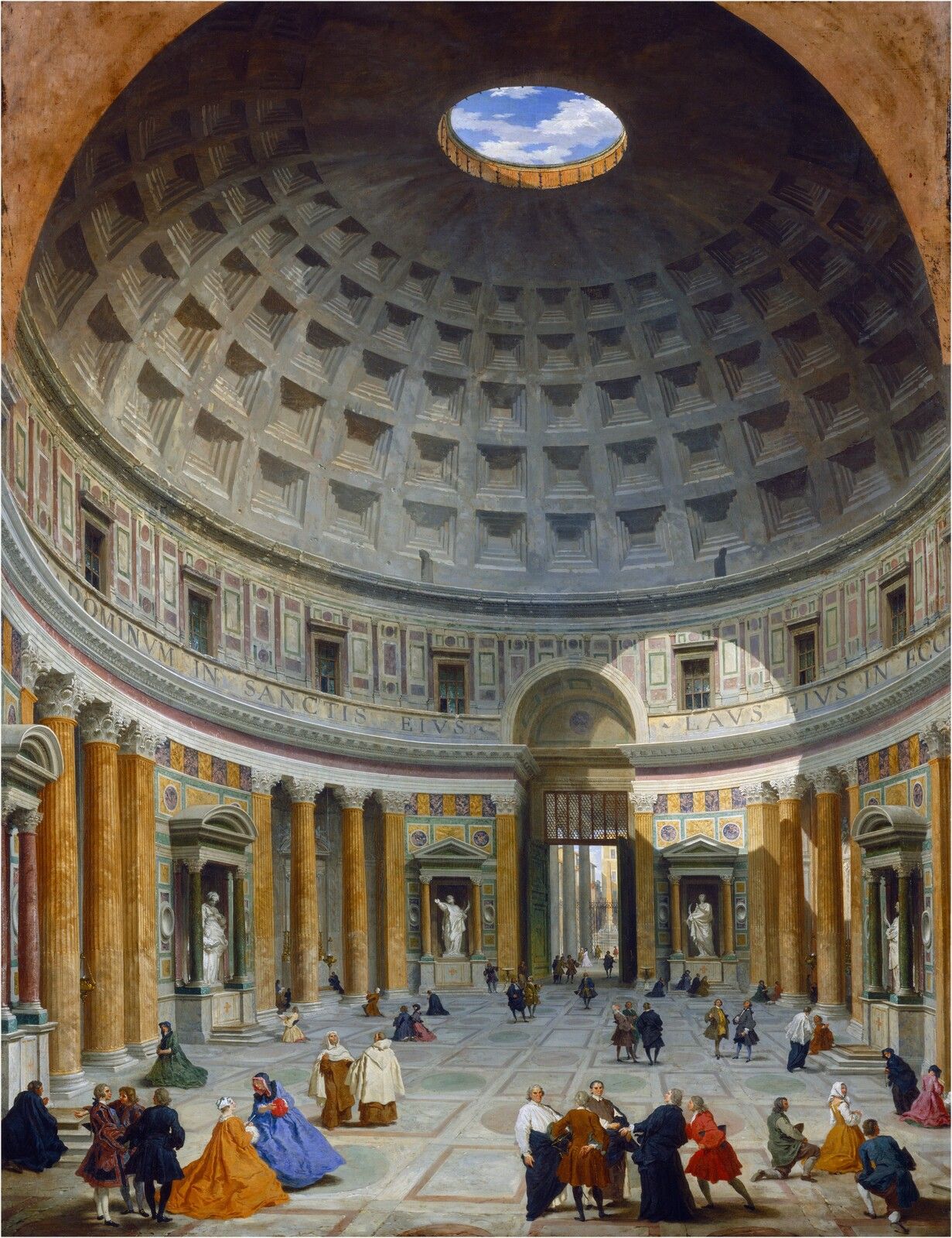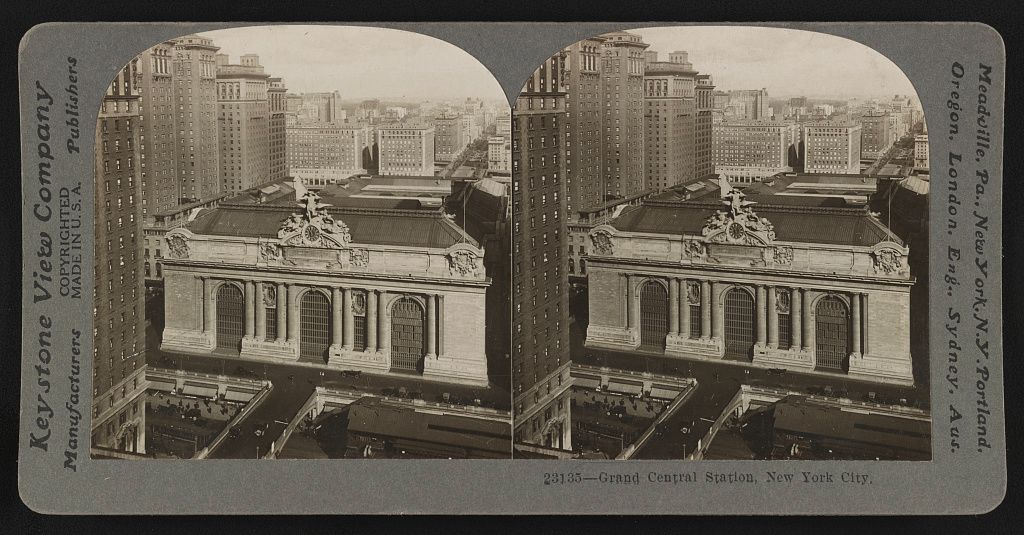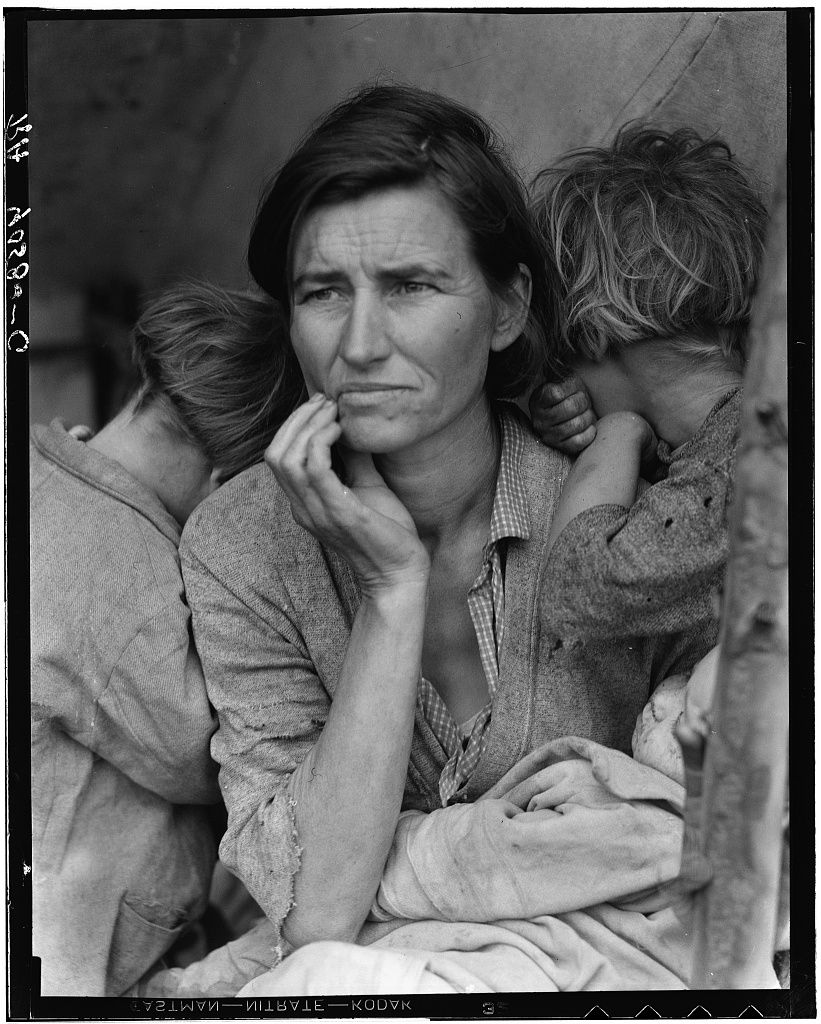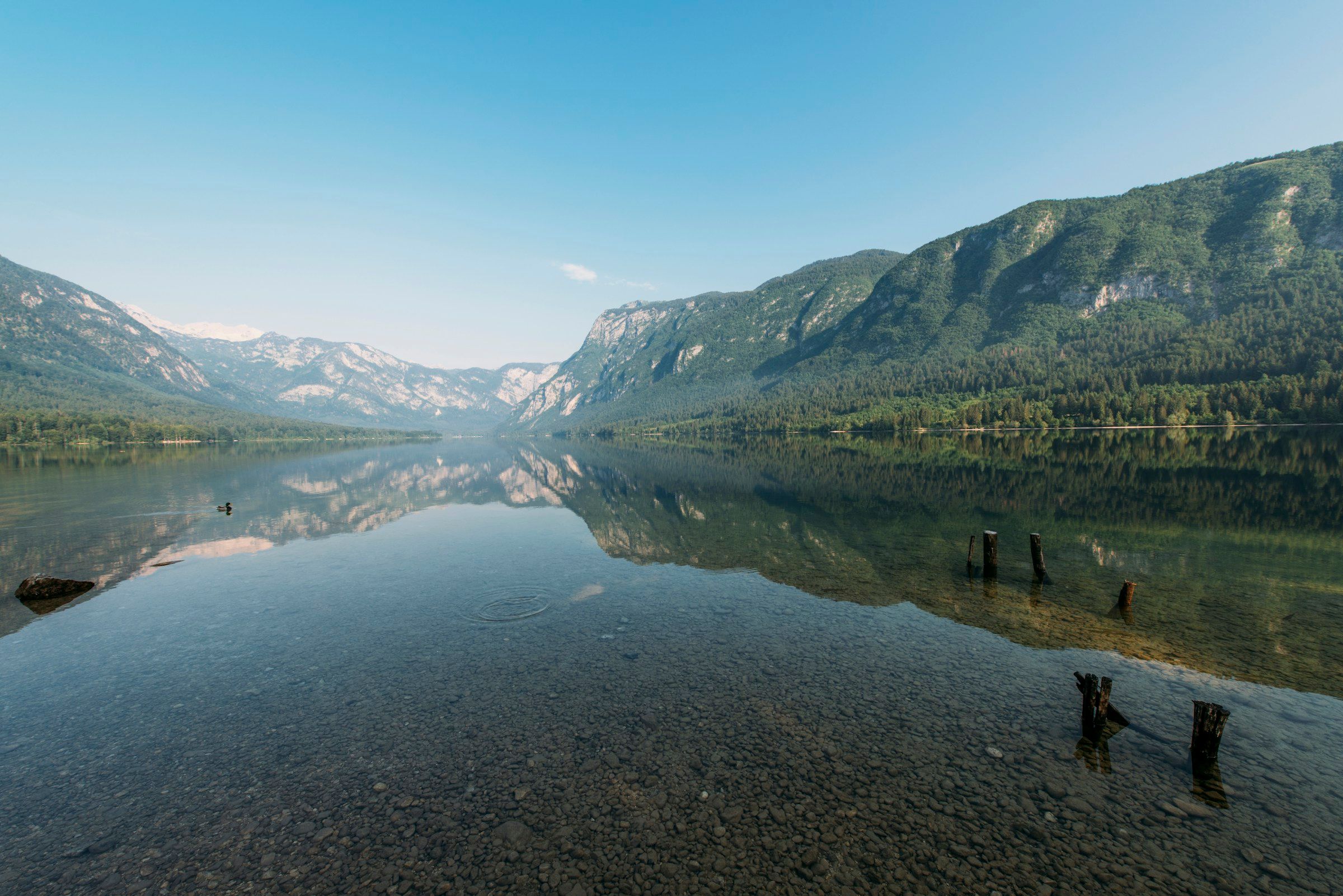
A diptych is a single work in two parts. In photography, that usually means two images presented as a pair so you can compare them or read them in a particular order. The panels can match, clash or show a change. What makes the pair work is something you notice only when you see both images together.
From hinged panels to paired prints
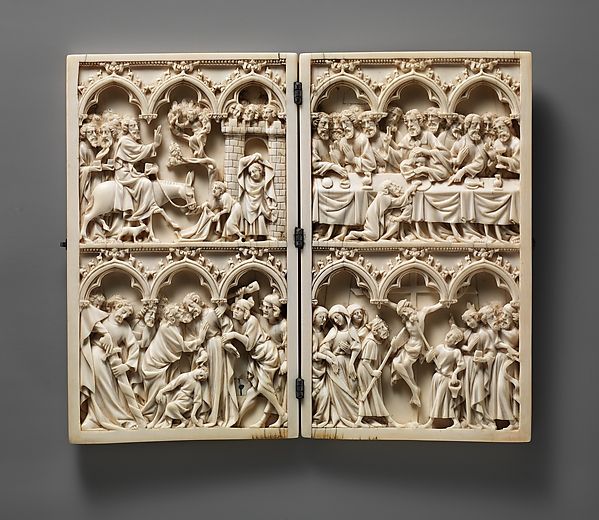
The National Portrait Gallery’s glossary traces the word to two flat panels, often hinged. In the French ivory diptych below, the hinge lets the panels close like a book. Open it and the carved scenes line up in two rows across the center. The pair has a physical seam, but you can follow the scenes across it.
What changes between the two photographs?
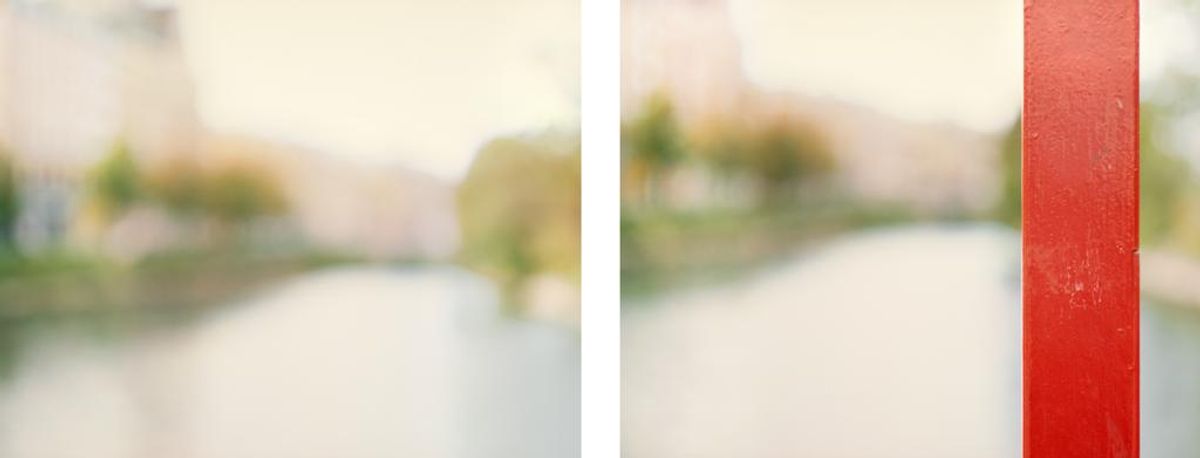
In Uta Barth’s Untitled (98.2) from 1998, the water and distant shore are soft in both panels. The red strip on the right is sharp enough to interrupt that view. Let your eye go back to the left panel and notice where it lands without the red. The two pictures give you a way to compare where your attention goes when the focus changes.
How to make a diptych
Start with one picture and decide what you want the second one to add. A wide view of a shopfront can show the whole window. Pair it with a close view of someone’s hand lettering the glass and you can see how that window was made. If you photograph the same window at two hours of the day, keep the framing steady so the change in light is easy to read.
Put the pictures next to each other at the size you’ll share or print them. Swap their order. Try a narrow gap, then a wider one. If a shape carries across the two panels, a narrow gap can help you follow it. If each picture needs a moment of its own, leave more room. The same choices shape how you read a photobook spread.
Take one picture away for a moment. If you miss a comparison, a shift in scale or a detail that changes how you read the other picture, you have a reason to keep the pair.