Screenprint vs. Lithograph: How to Tell Them Apart
Screenprints use a mesh stencil. Lithographs print from a flat stone or plate. See how both processes leave different marks on paper.
Source: The Metropolitan Museum of Art
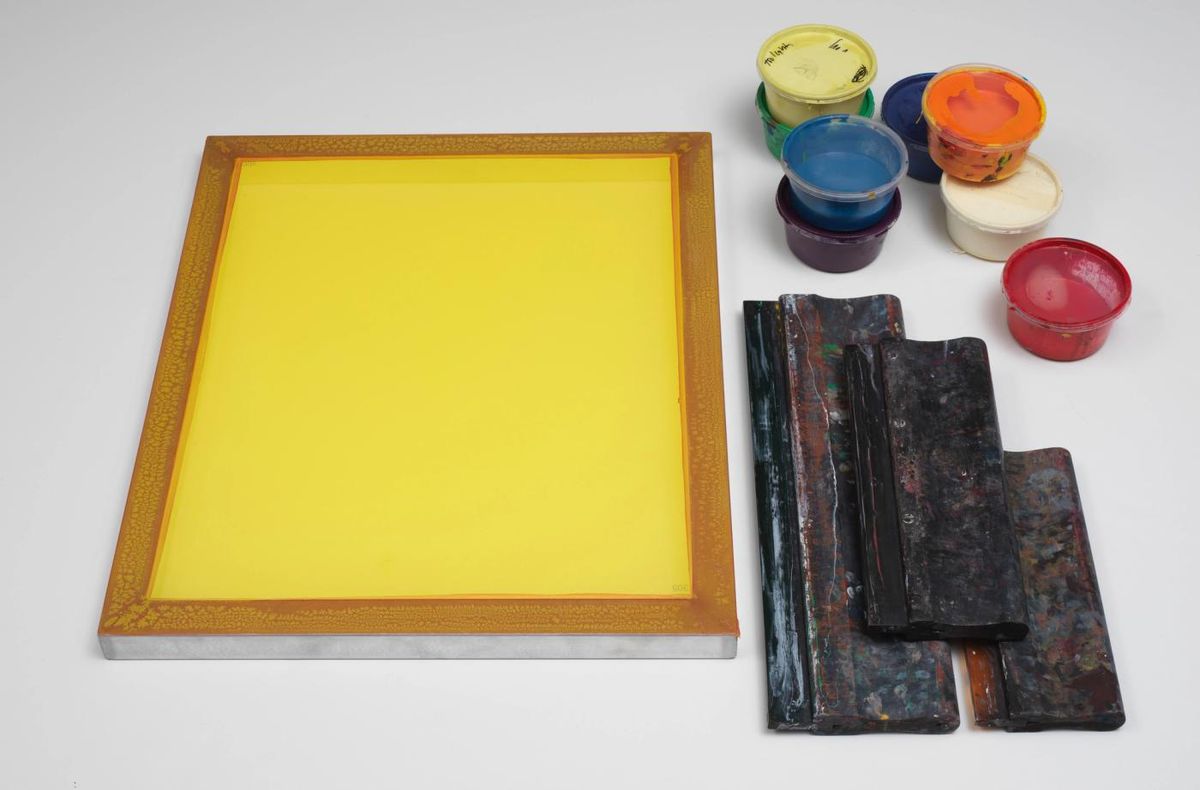
A screenprint gets its image from the open areas of a mesh stencil. A lithograph gets its image from a greasy drawing on a flat stone or metal plate. Both can produce crisp shapes or rich color, so start by checking the medium on the label. Then look closely at how the marks were made.
What does a screenprint look like?
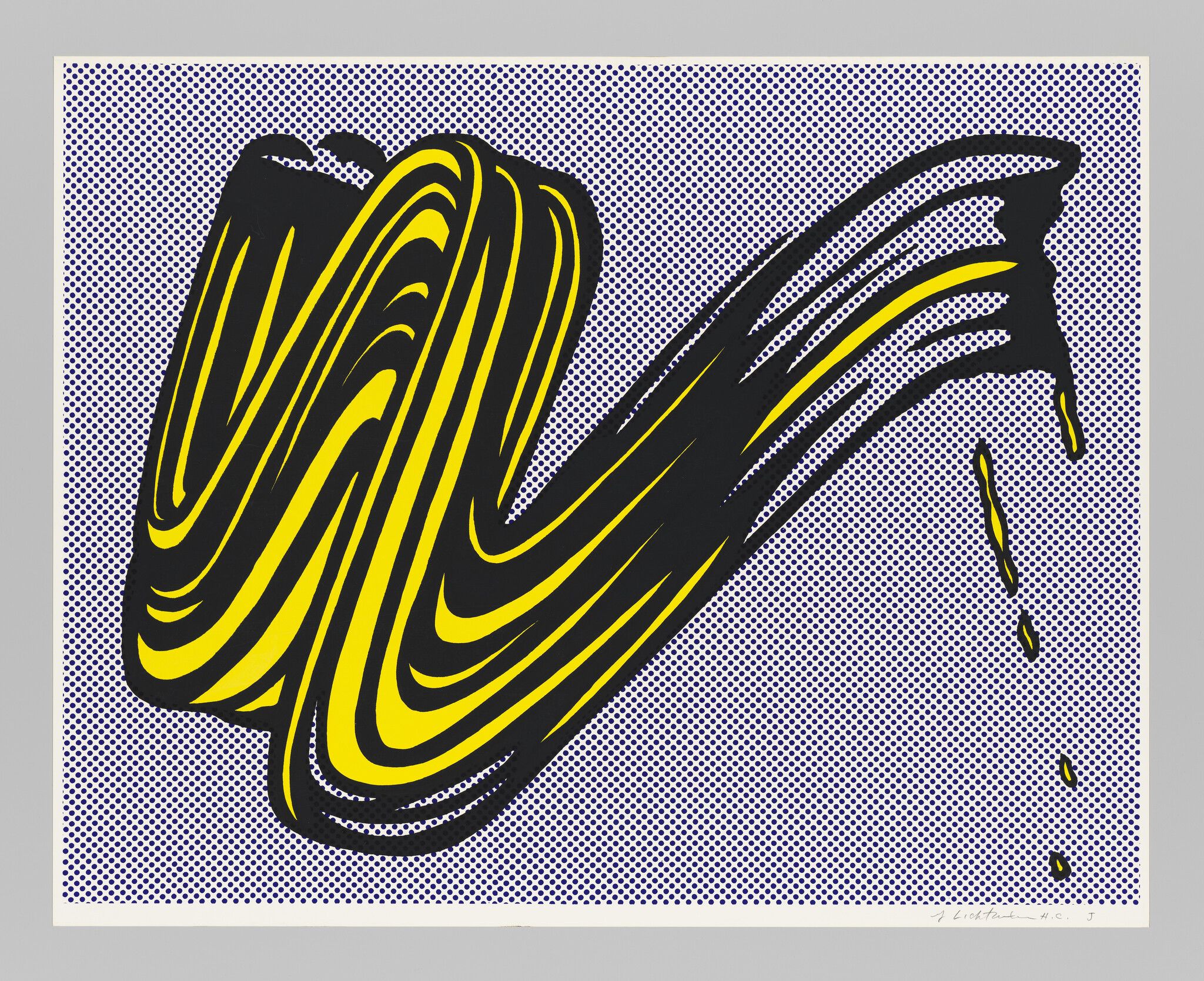
A squeegee pushes ink through the open parts of a mesh screen. Different colors can be printed in separate passes with the paper held in the same position. In Roy Lichtenstein’s 1965 Brushstroke, a field of blue dots sits behind broad yellow and black bands. Notice how sharply those areas meet and how little the color varies within each strip.
Source: Whitney Museum of American Art
What does a lithograph look like?
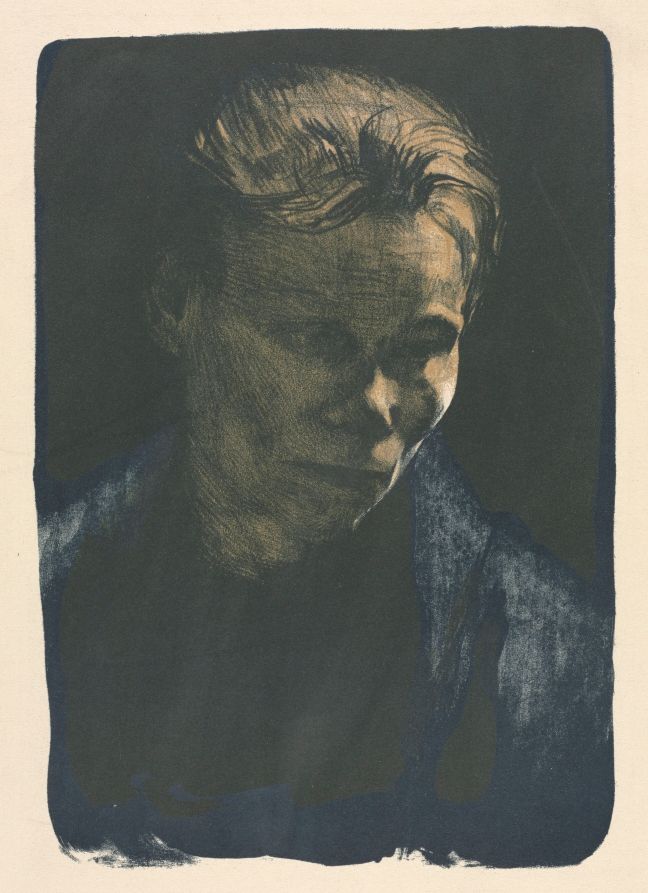
A lithographer draws with a greasy crayon or ink, then treats the stone or plate. When the surface is dampened and rolled with ink, the drawing takes the ink and the wet areas repel it. In Käthe Kollwitz’s 1903 Working Woman with Blue Shawl, the rough, grainy transitions across the face look more like a drawing than a series of clean-edged shapes.
Source: Cleveland Museum of Art
What if the clues disagree?
A screen can print fine dots and a lithographic plate can print flat shapes. Look for patterns in several parts of the image. If you are looking at an online reproduction, use the museum or print studio’s medium description to confirm the process.
Something worth opening.
Photography, film, technology, art and culture. Get new stories from Remjet Magazine in your inbox.
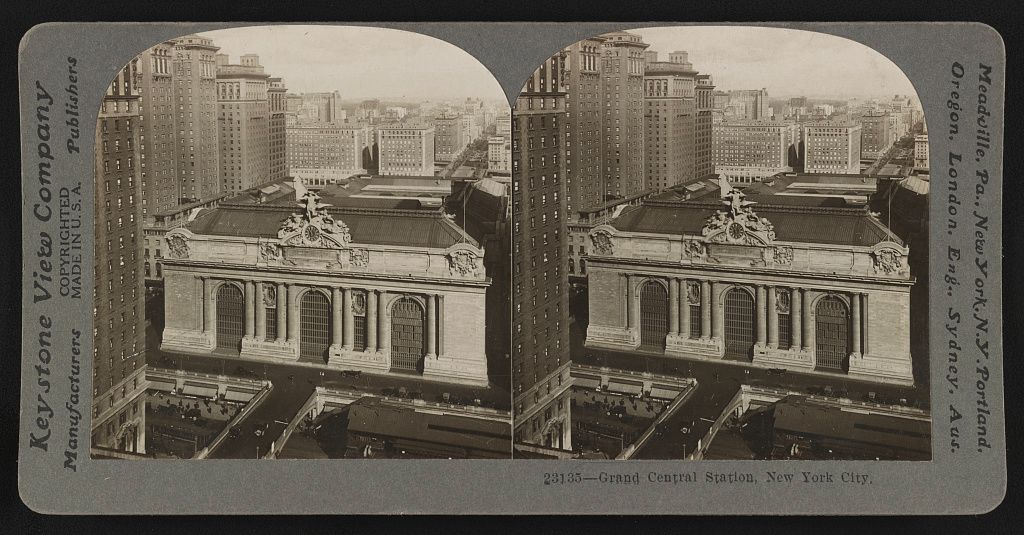
Street life, railway stations and an imagined New York reveal how postcards could picture a place, sell an idea and change from one printing to the next.
Follow the St. Petersburg waterfront from Spa Beach to the First Flight sculpture and the Fishing Deck. Each stop gives you a different way to frame Tampa Bay.
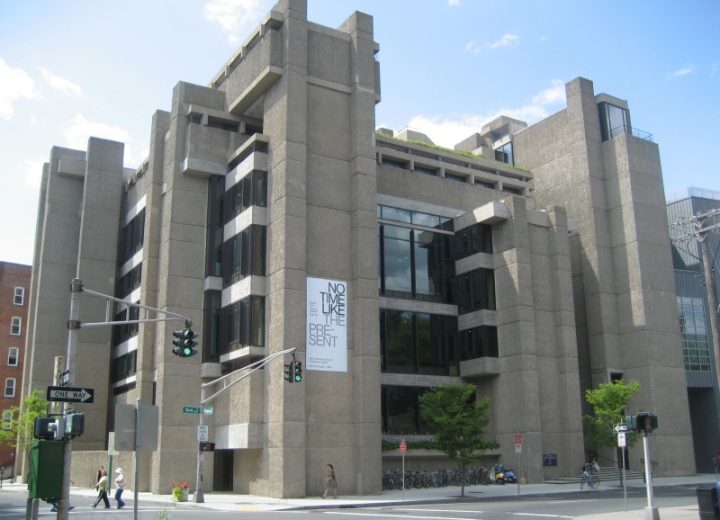
The ridges of Rudolph Hall cast narrow shadows. The Kimbell’s smooth concrete vaults spread daylight. Two buildings give photographers different ways to frame light.
Check the museum’s visitor policy, then look for signs in the exhibition. A handheld photo, a tripod and a planned shoot can each follow different rules.
Walk from Charleston’s Waterfront Park to White Point Garden via Rainbow Row. Look for open harbor light, repeated facades, and the contrast between the oak canopy and the seawall.
Read a photobook through its page turns, captions, scale and sequence. A practical looking exercise, with an 1866 book showing how text and photographs work together.
Depth of field describes the range that looks acceptably sharp. Learn how aperture, focus distance and background separation affect a picture, with a repeatable exercise.
A separate camera needs a reason to leave the house. Compare framing, handling and the file workflow before assuming any compact is an upgrade from your phone.
Find the viewpoint, check the light and work out how to get there. A practical scouting plan for a photo walk, a day trip or somewhere you have never visited.
Explore Remjet 1.0 feature by feature: camera controls, RAW photos, video projects, color grading, audio, collages, exports, location scouting, and light planning.