The stars are pinpoints in one of Don Pettit’s photographs and long strokes in the next. The difference begins with what the camera follows. During Expedition 72, the astronaut photographed through the windows of the International Space Station and its docked Dragon spacecraft. His pictures take in the sky, the station and the thin line where daylight reaches Earth.
Holding the stars still
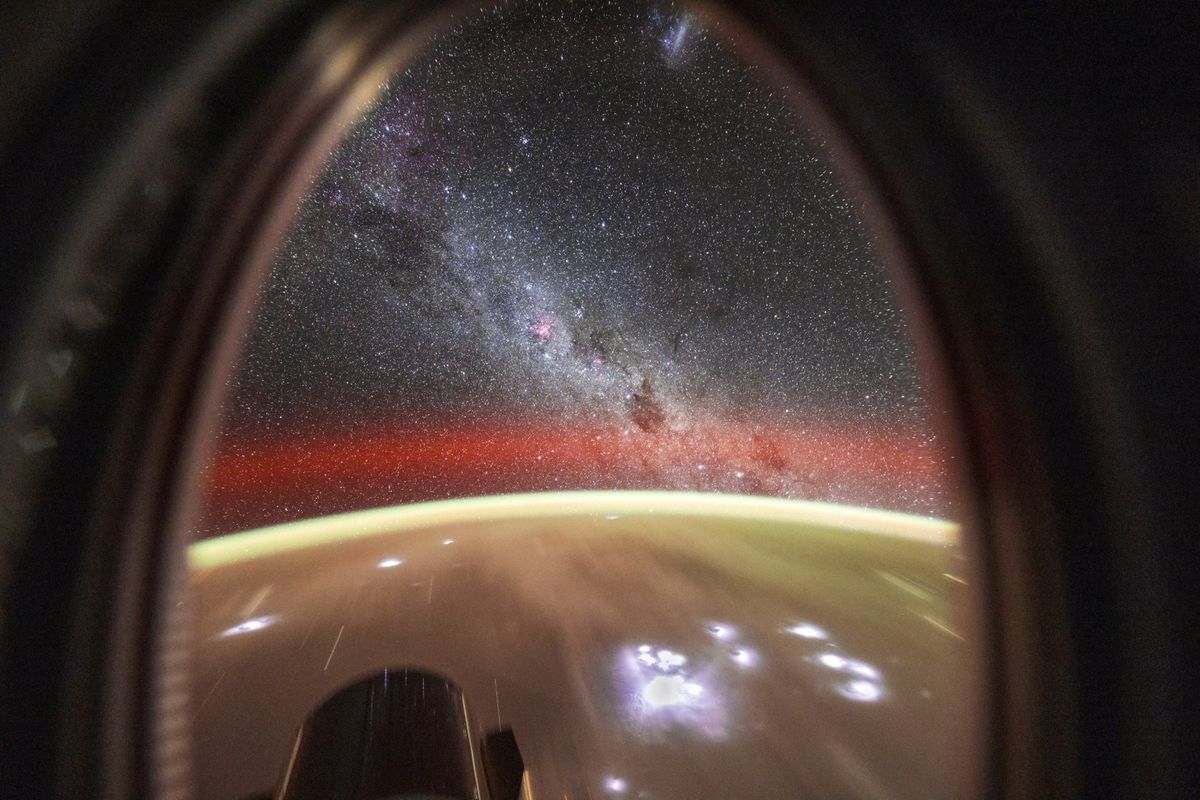
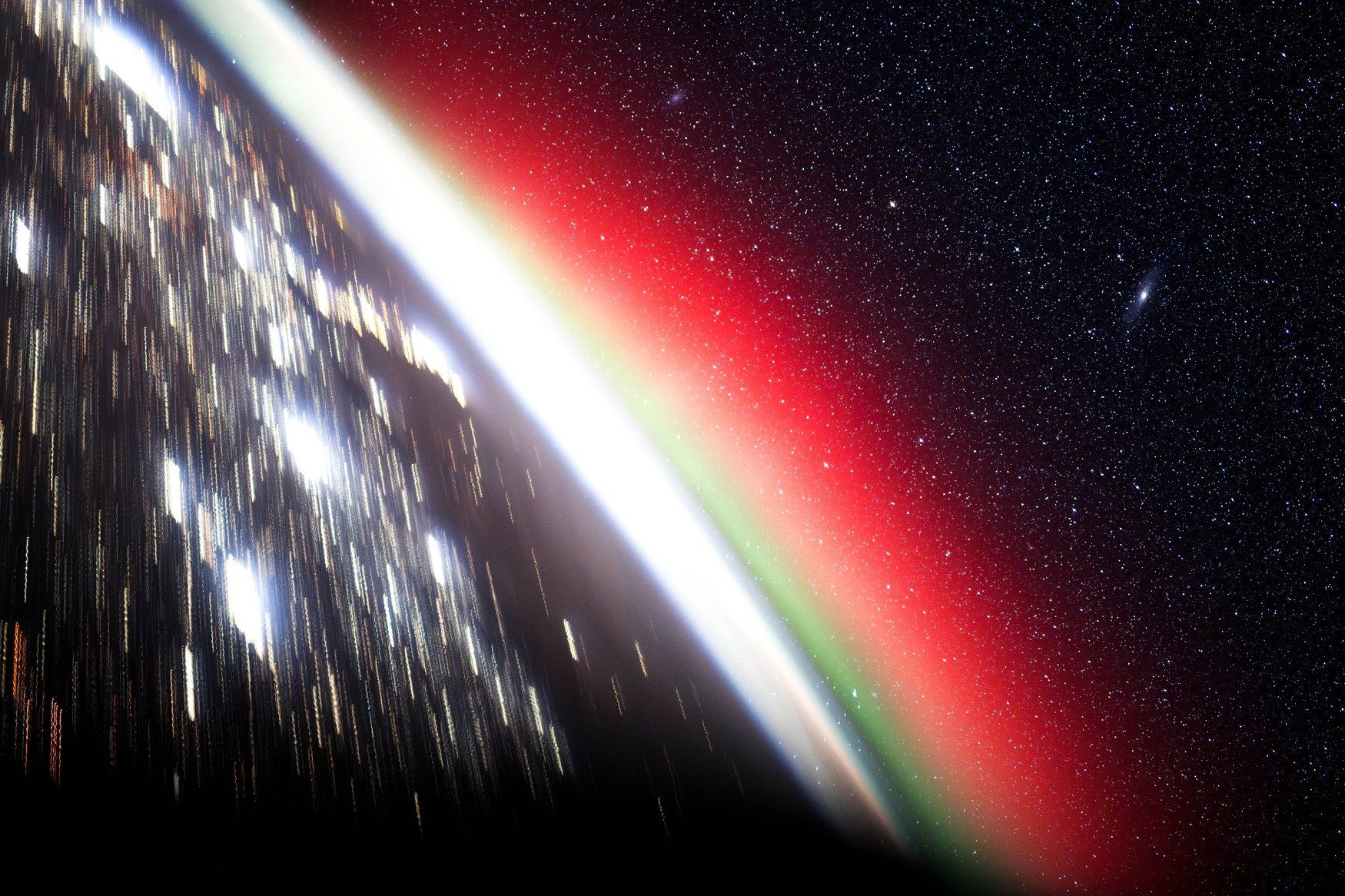
Look just above the red band along Earth’s curved edge. The stars stay small even though the station is moving. In the notes accompanying the photograph Pettit explains that he used a homemade star tracker to compensate for the station’s pitch. That let him expose longer while keeping the stars as points. The spacecraft window stays in view, a dark oval around the atmosphere.
In a second exposure made with the tracker, Pettit points out Andromeda and a galaxy in Triangulum. Earth sits on a diagonal. The stars stay sharp above it while the city lights below stretch out.
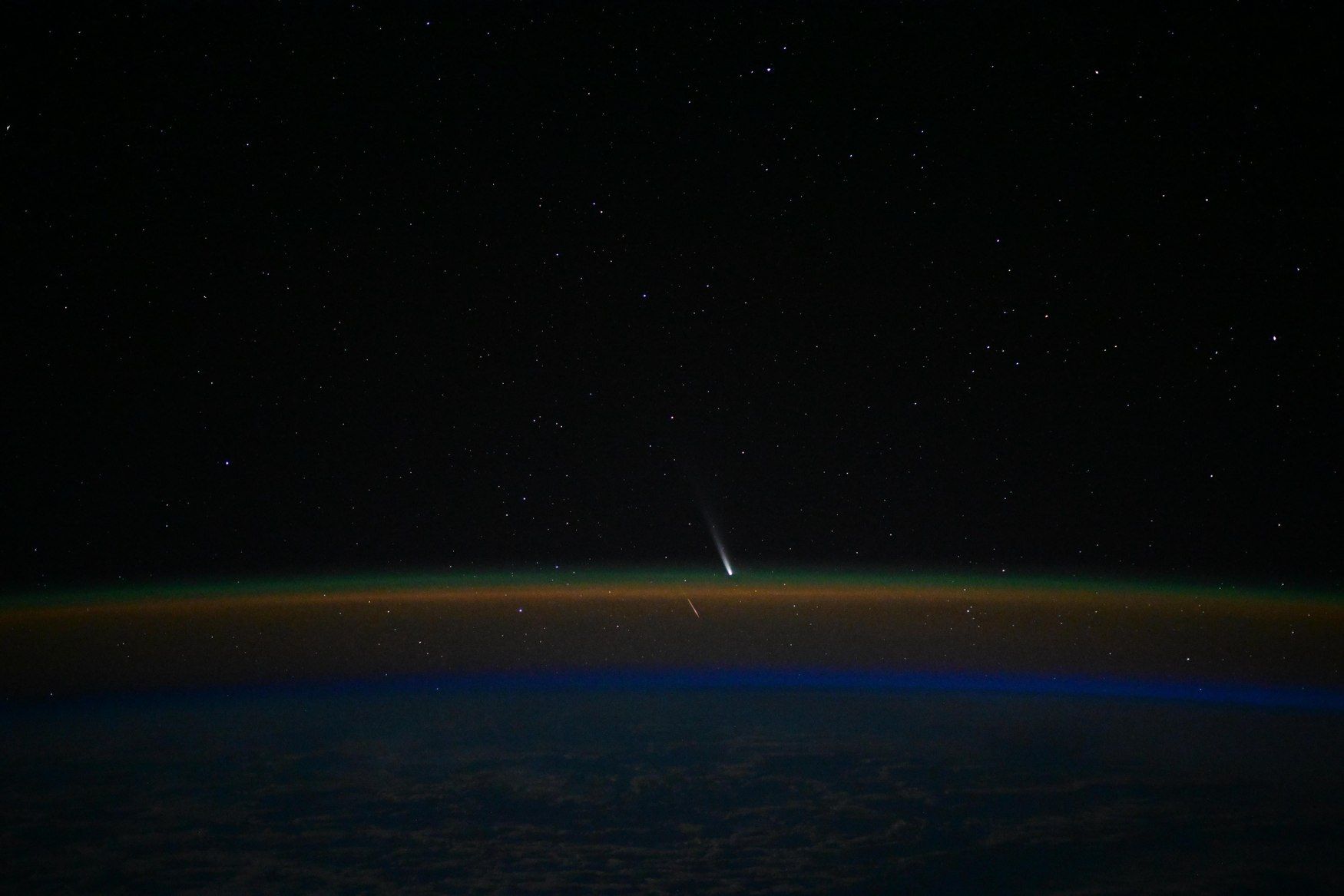
In the photograph of a comet and a meteor, both are small against the dark sky. Give your eyes a moment to find them above the narrow glow along the horizon.
Letting the station leave a trace
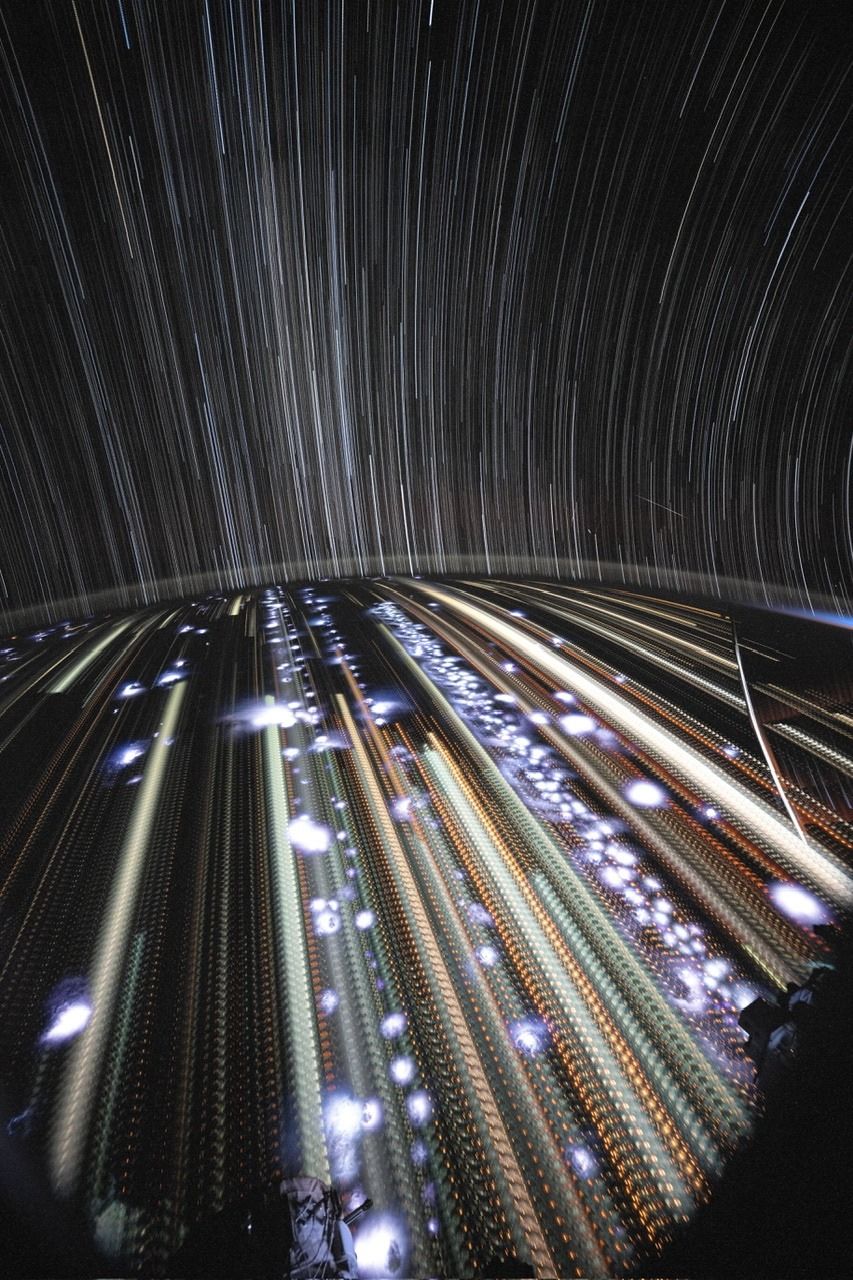
In a second picture from the docked Dragon in March 2025, streaks rise past the curve of Earth. Below it, city lights pull into bright ribbons. NASA identifies the isolated flashes as lightning. The horizon gives your eye a line to return to as the streaks run away from it.
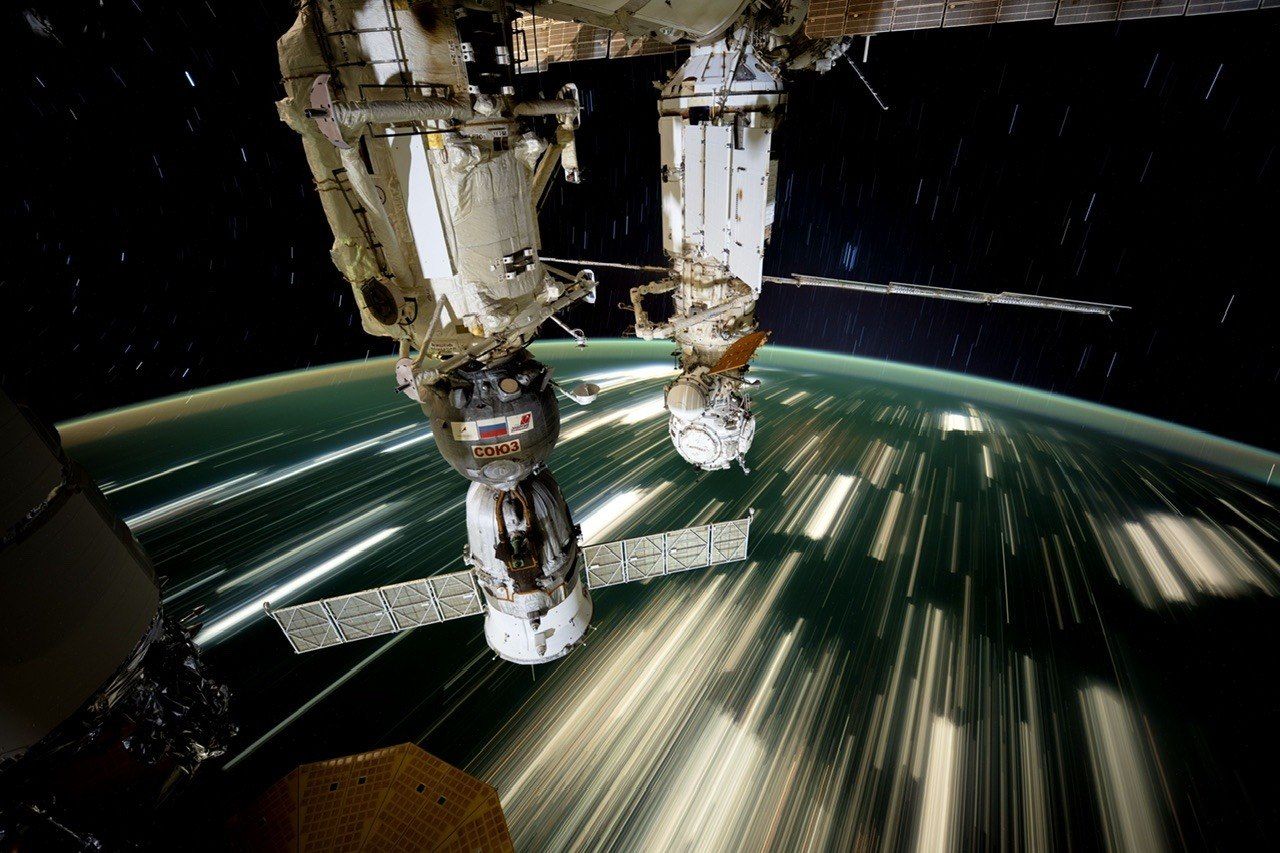
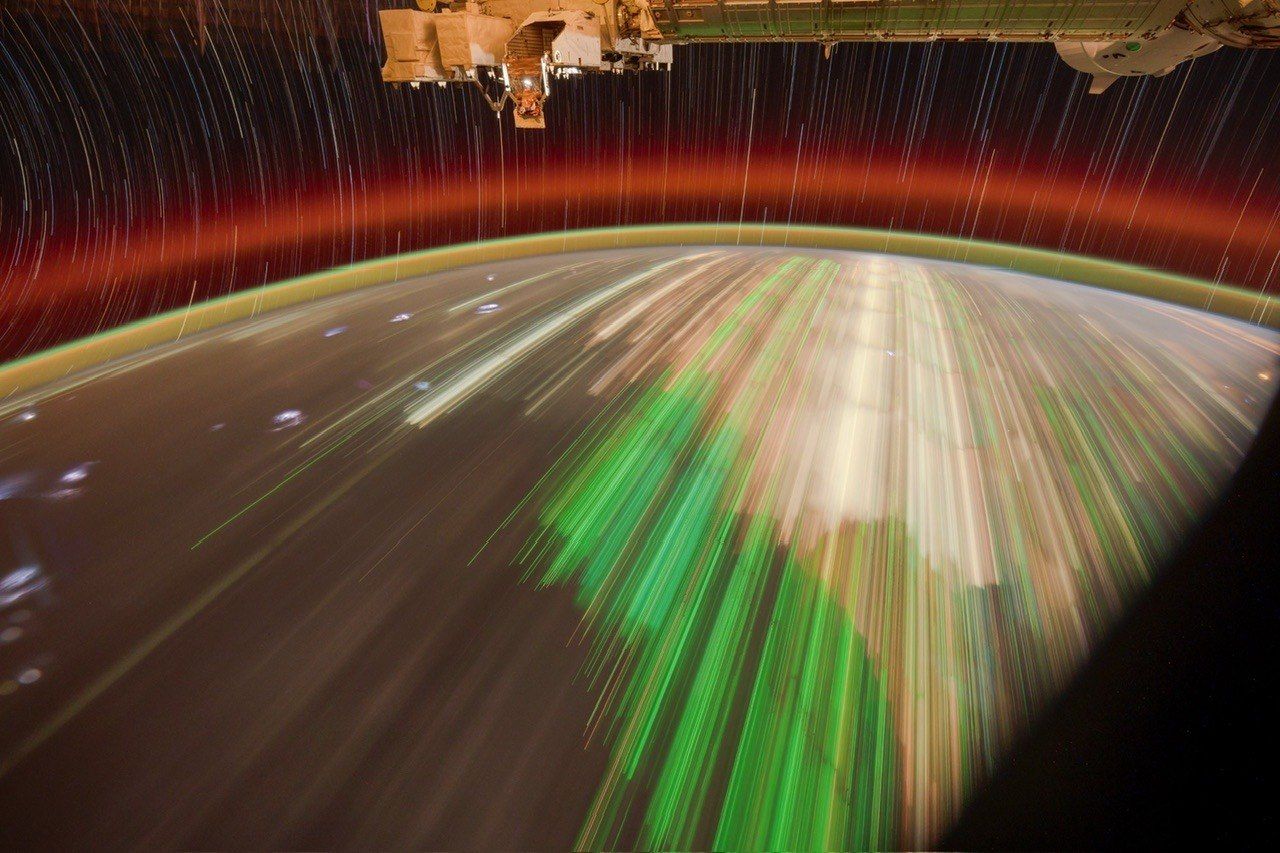
Station hardware enters one frame while the light below streams past. In the next, green lights from fishing boats off Thailand run across the water. The green comes from the boats. The long exposure gives it the shape of a fan.
Finding the fixed point
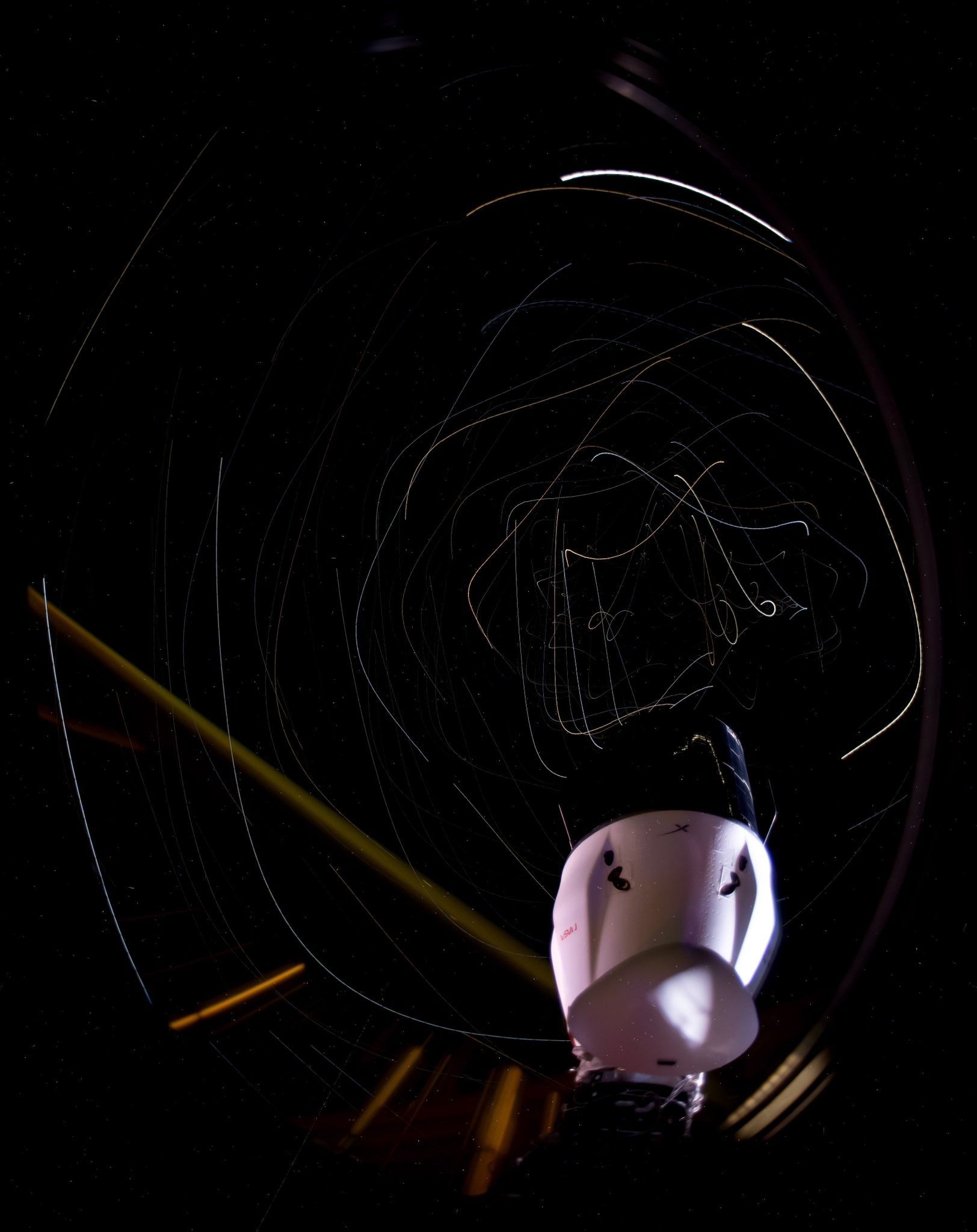
The third photograph looks as if someone drew in the dark with a pen that kept changing direction. The bright cargo vehicle near the lower edge gives you something to hold on to while you follow the loops. NASA’s notes on the composite describe how Pettit combined 15-second exposures into a 24-minute image during a change in the station’s orientation. The curved paths show that adjustment from the camera’s point of view.
The edge of daylight
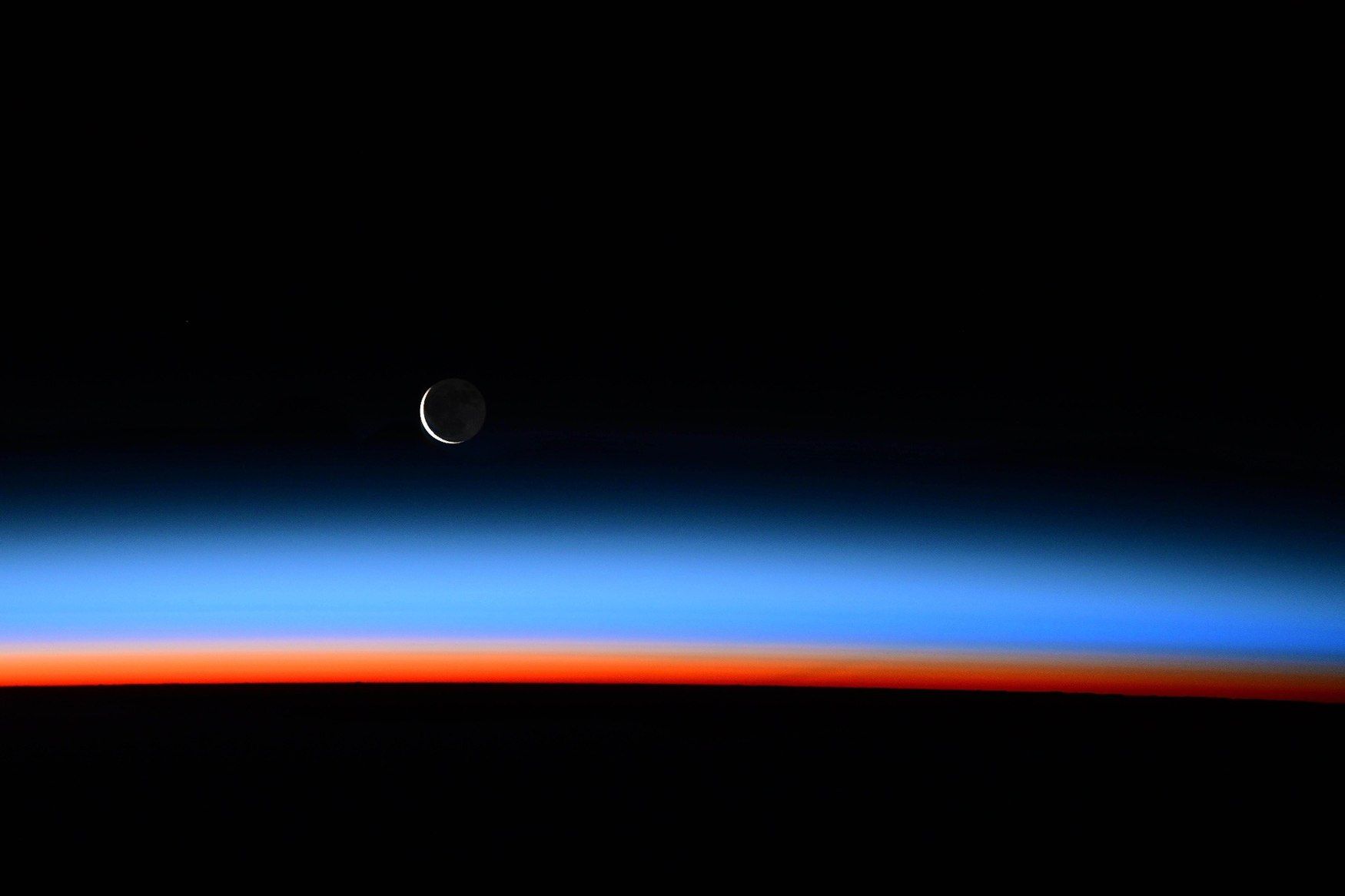
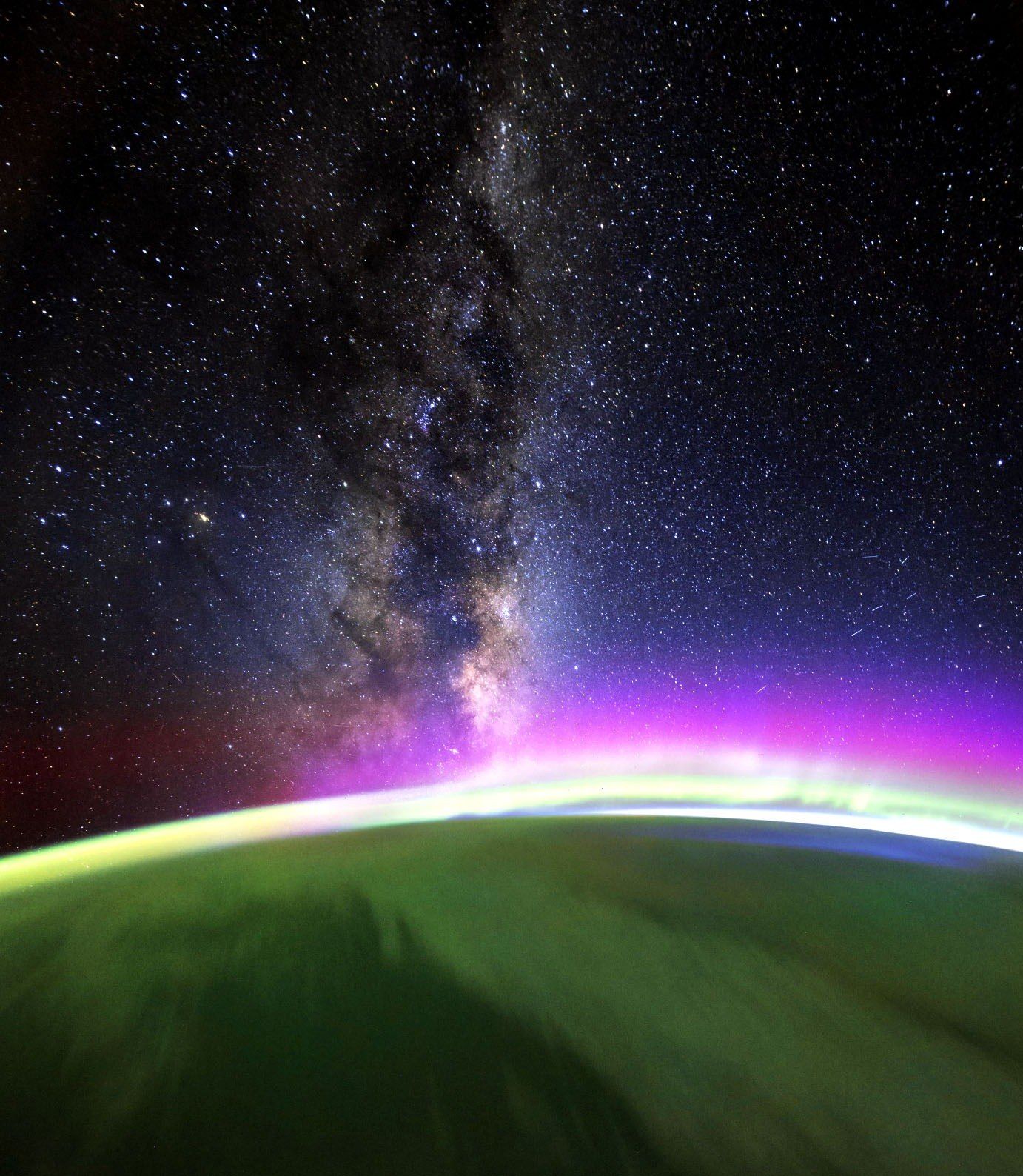
The pace changes with a thin crescent moon in January 2025. The frame has room for both the small moon and the layers of color beneath it. In the sunrise photograph that follows, the horizon curves across the bottom and the bright violet glow pulls the eye back down to Earth.
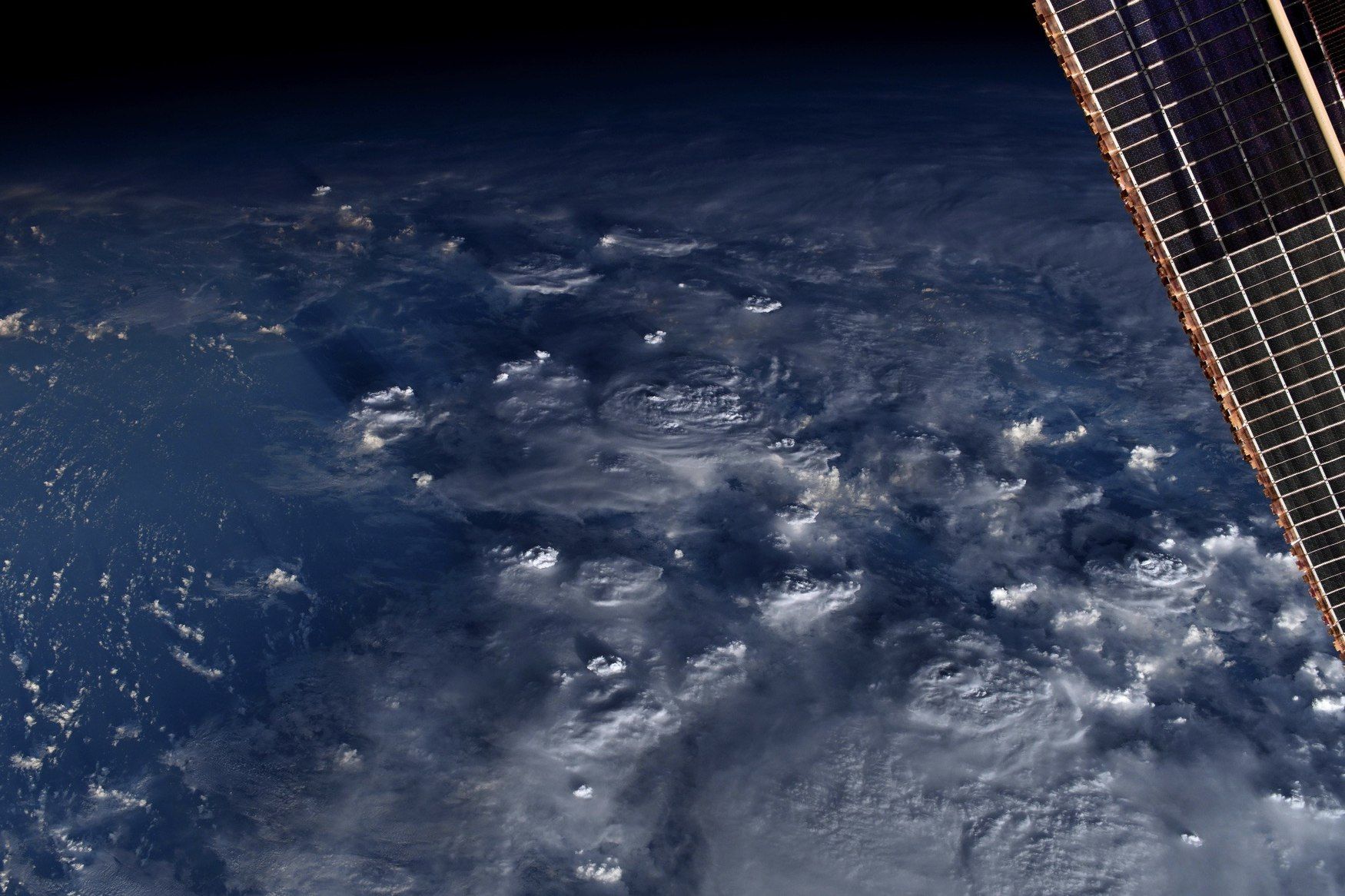
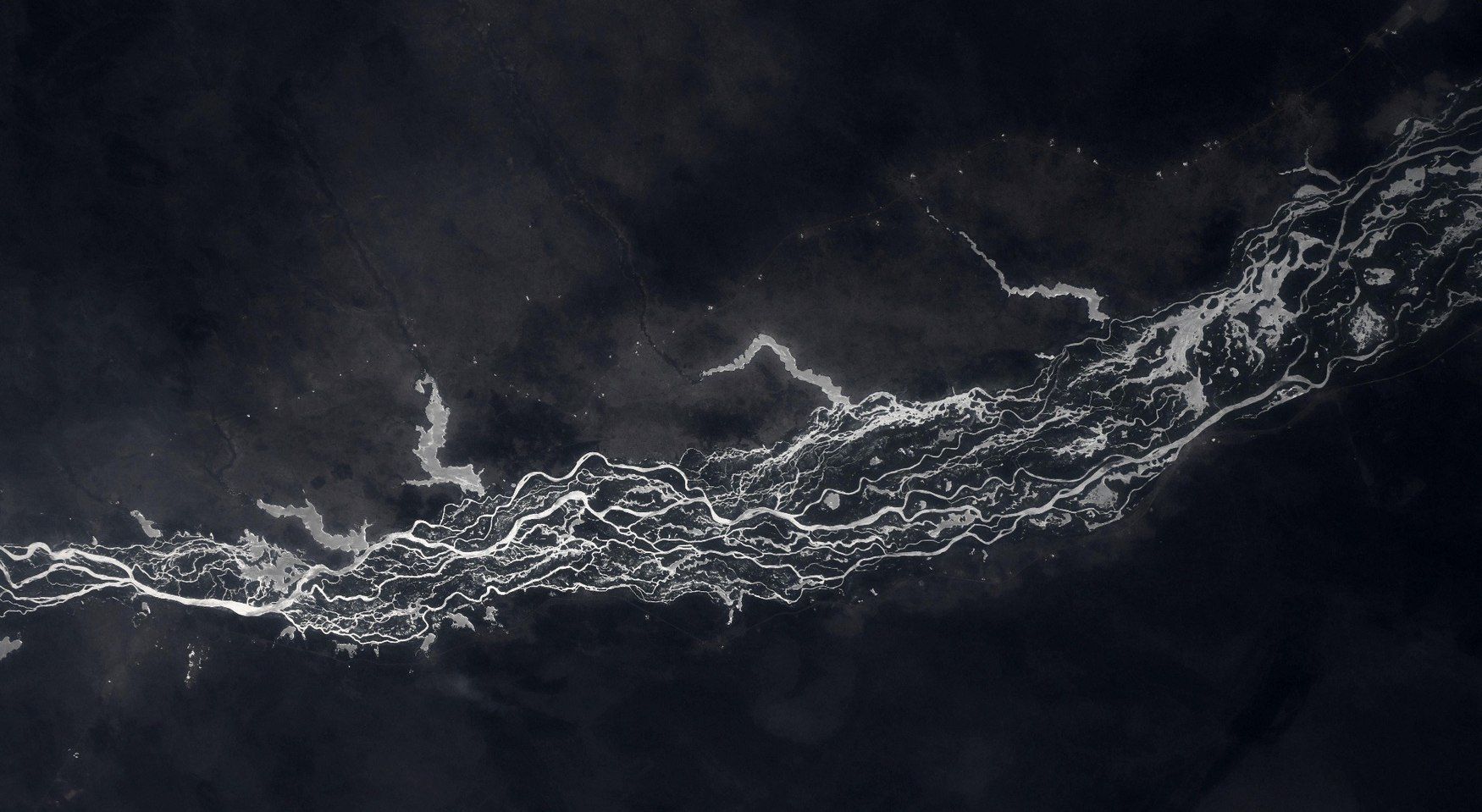
Look down again and light picks out different details. Low sunlight catches the tops of clouds in the first frame. In the second, sunlight reflecting off the White Nile draws out channels that would be much harder to see against the dark land.
For a way to work with moving light closer to home, see our guide to taking better photos at night.
Follow @astro_pettit on Instagram and see more of his work in NASA’s photo gallery.