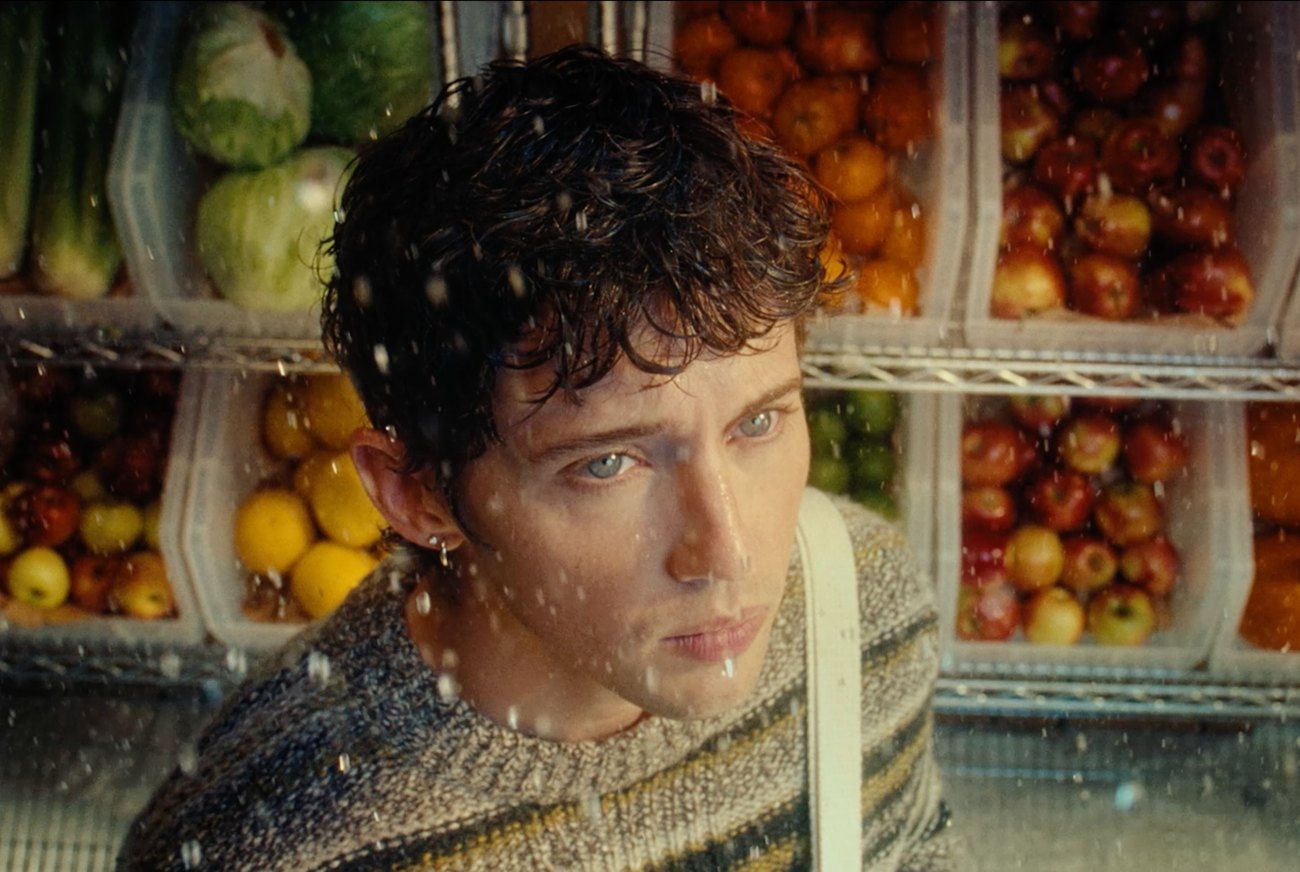
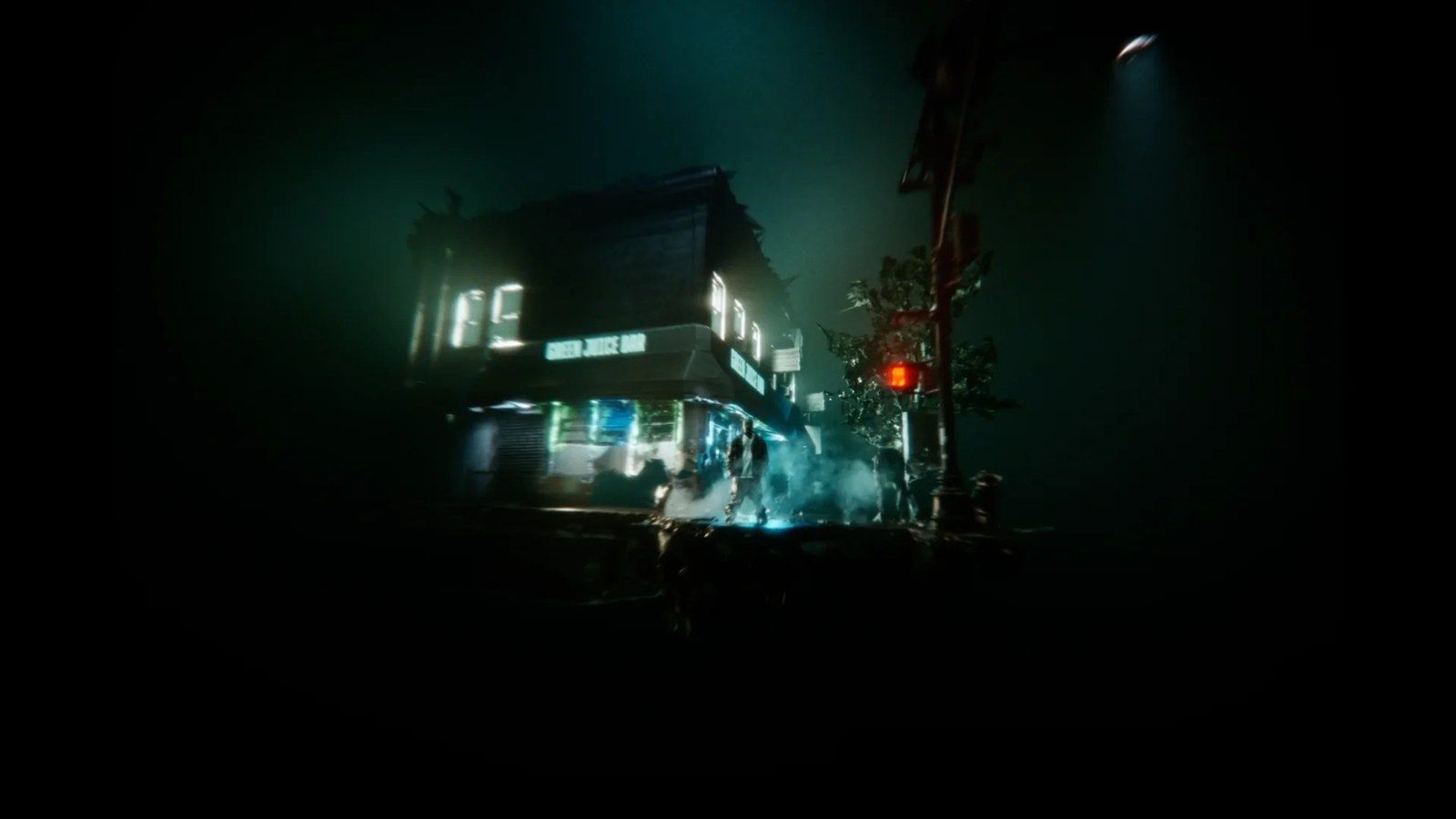
Live-action performances meet a digitally built future Amsterdam in this 2012 science-fiction short from the Blender Foundation.
In Ian Hubert’s 2012 short Tears of Steel, scientists and fighters gather in a future Amsterdam to restage an event from the past. They hope it will help them stop the robots threatening the city. The film runs 12 minutes and 14 seconds, including its original credits.
The Blender Foundation made the short to develop tools for putting live actors into computer-generated environments. Its production archive goes beyond the finished film. It includes footage and project files, so you can start with a shot and work backward to see how it was put together. The foundation released the film under Creative Commons Attribution 3.0.
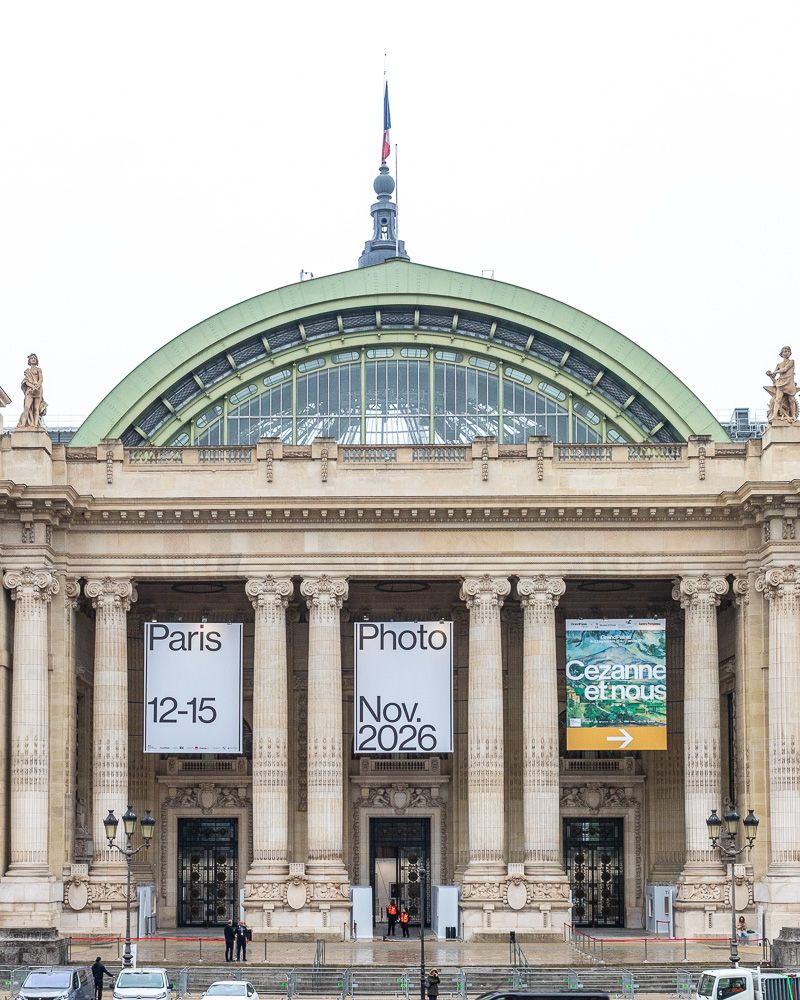
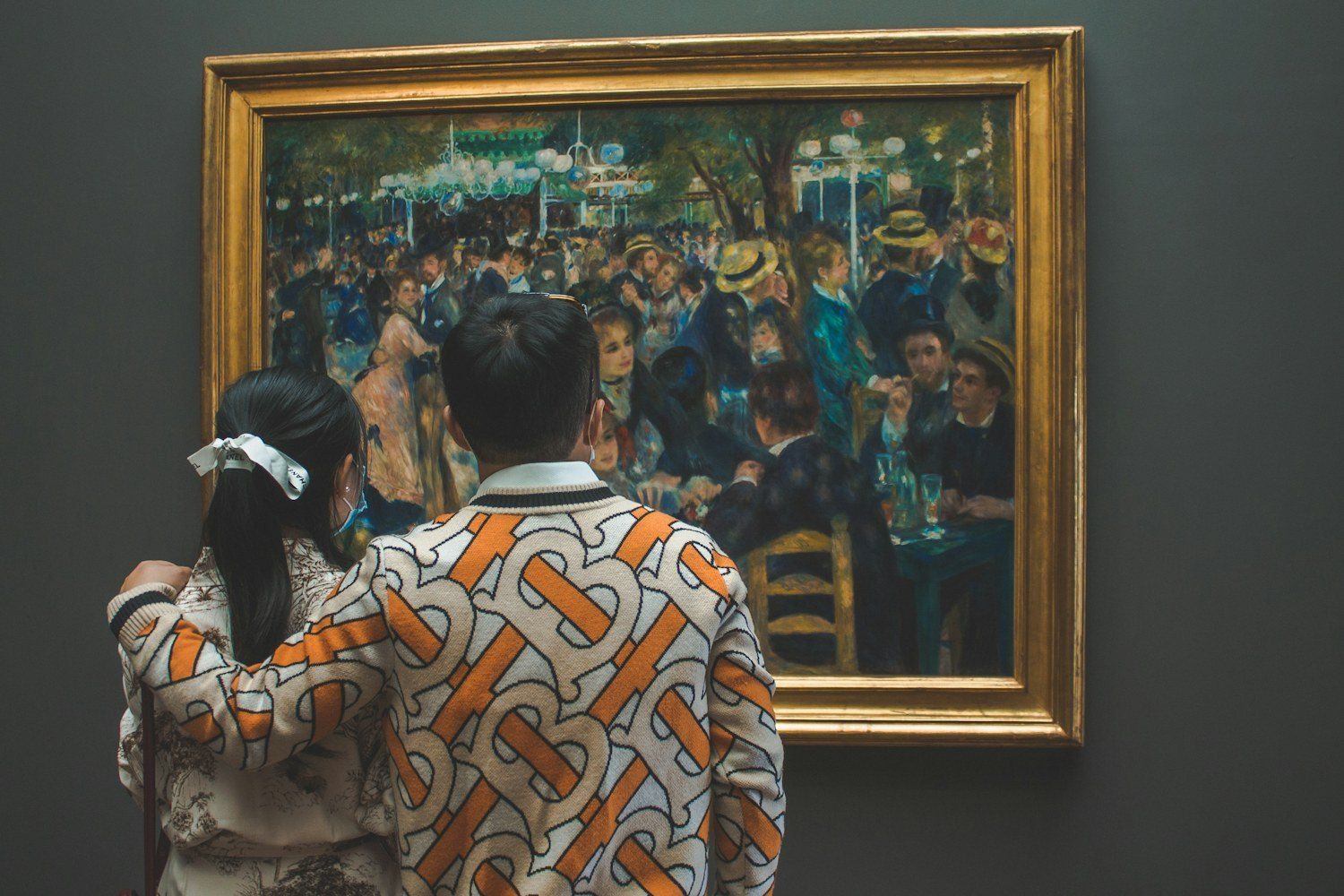
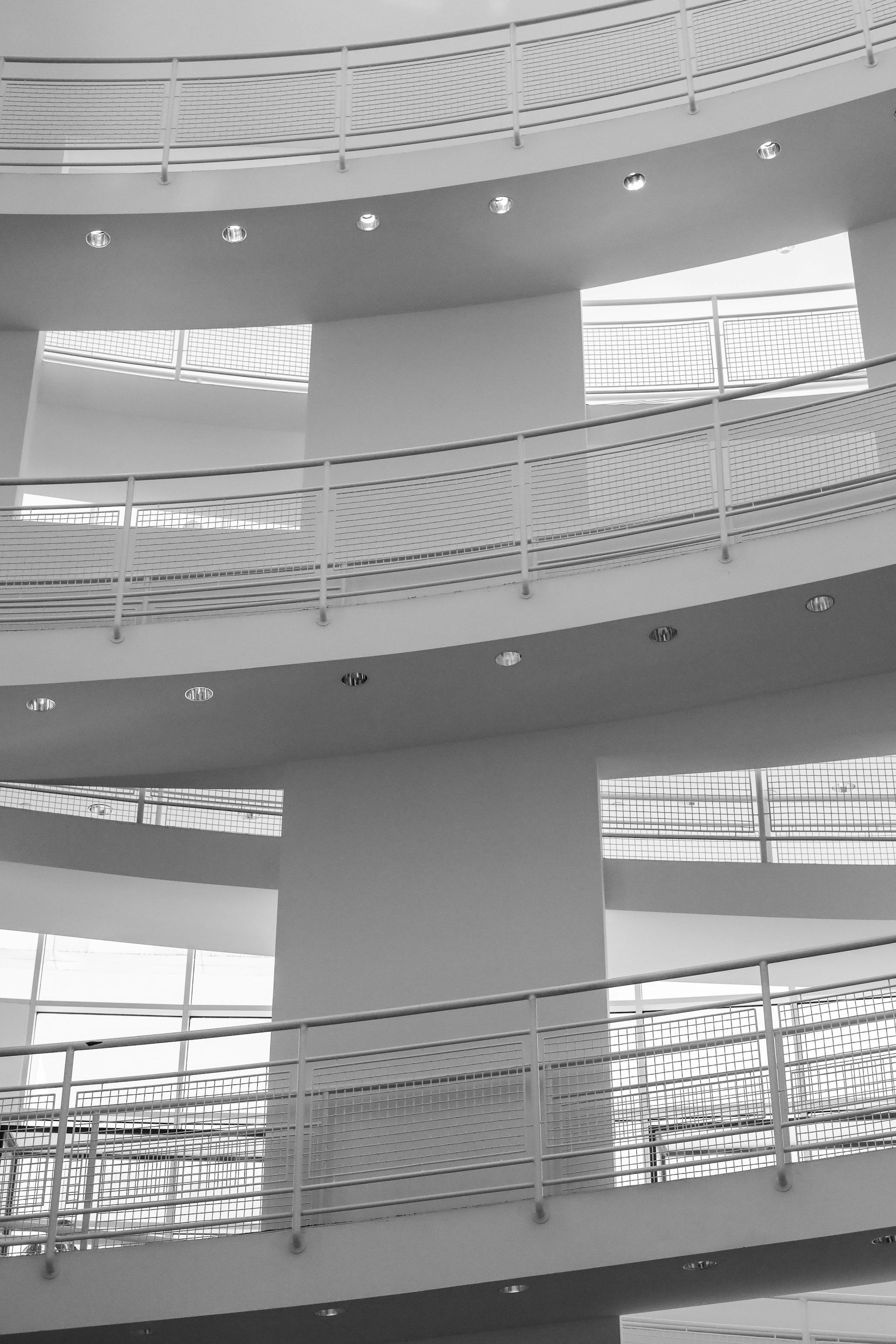
Check the museum’s visitor policy, then look for signs in the exhibition. A handheld photo, a tripod and a planned shoot can each follow different rules.
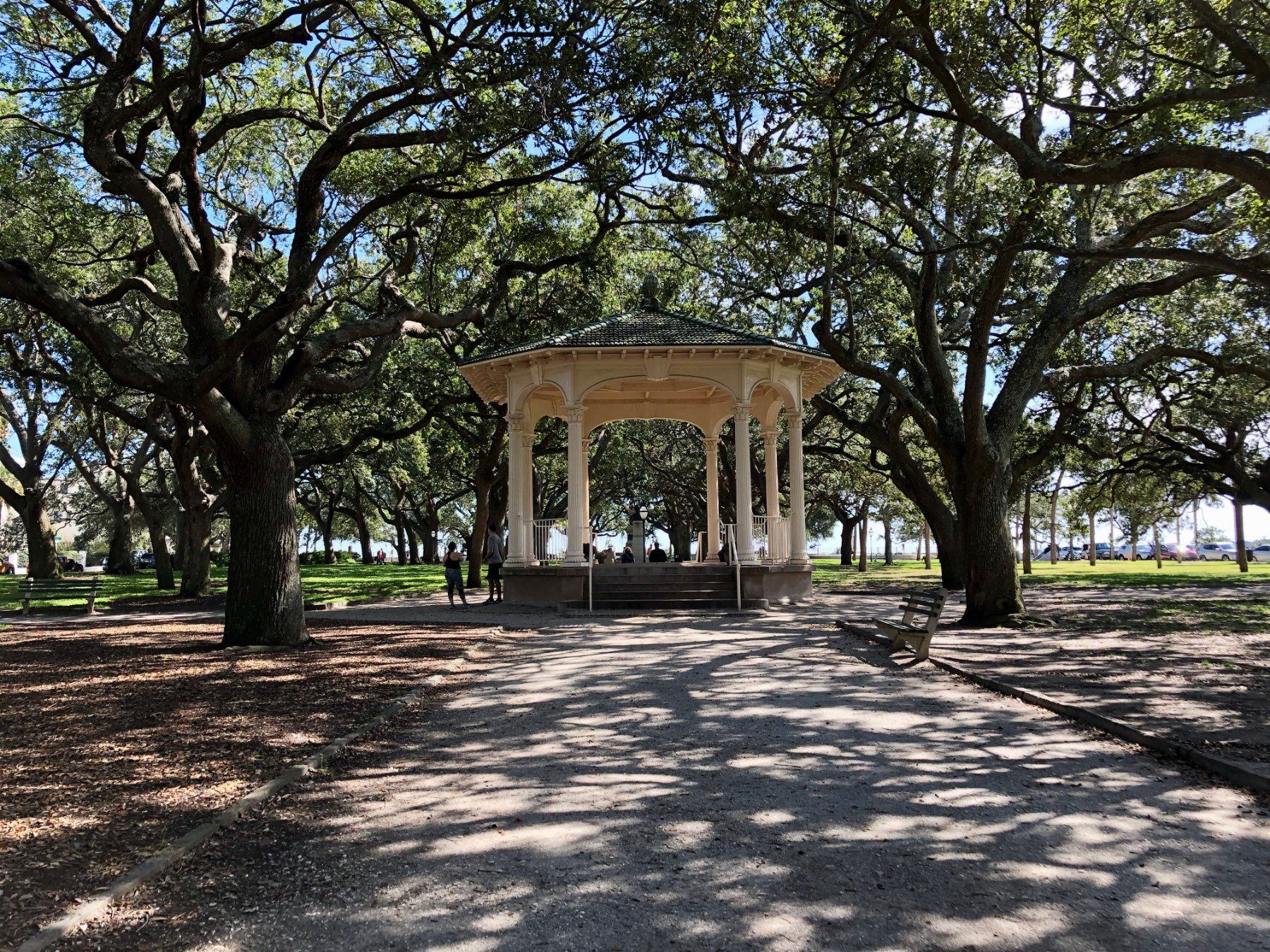
Walk from Charleston’s Waterfront Park to White Point Garden via Rainbow Row. Look for open harbor light, repeated facades, and the contrast between the oak canopy and the seawall.
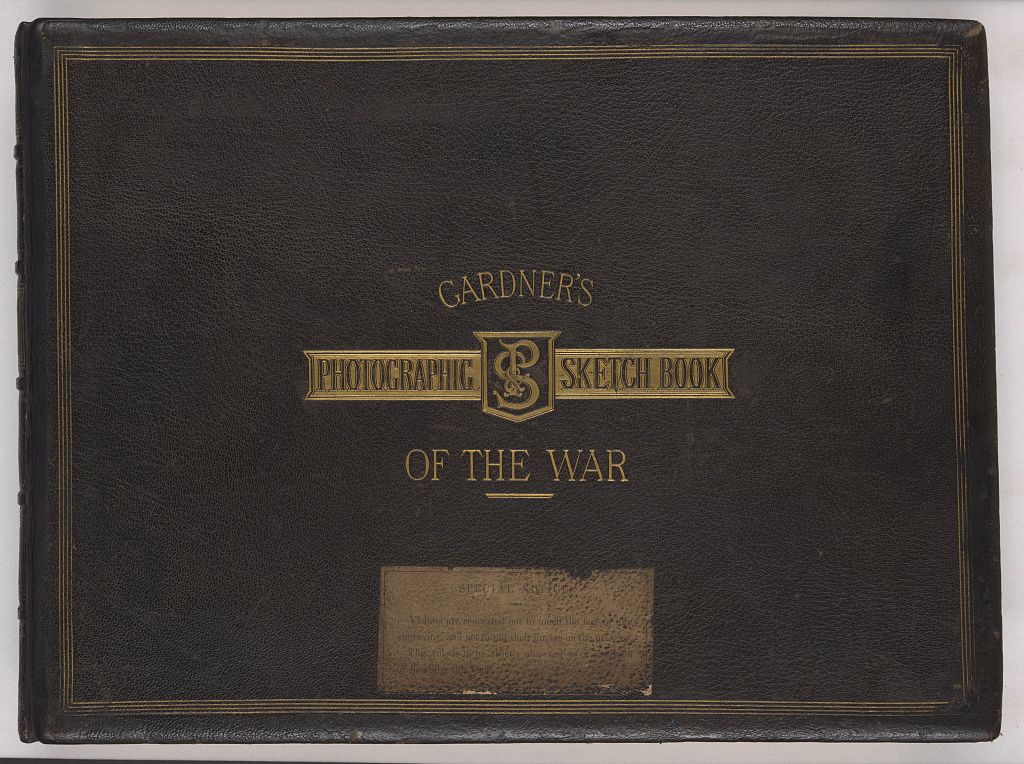
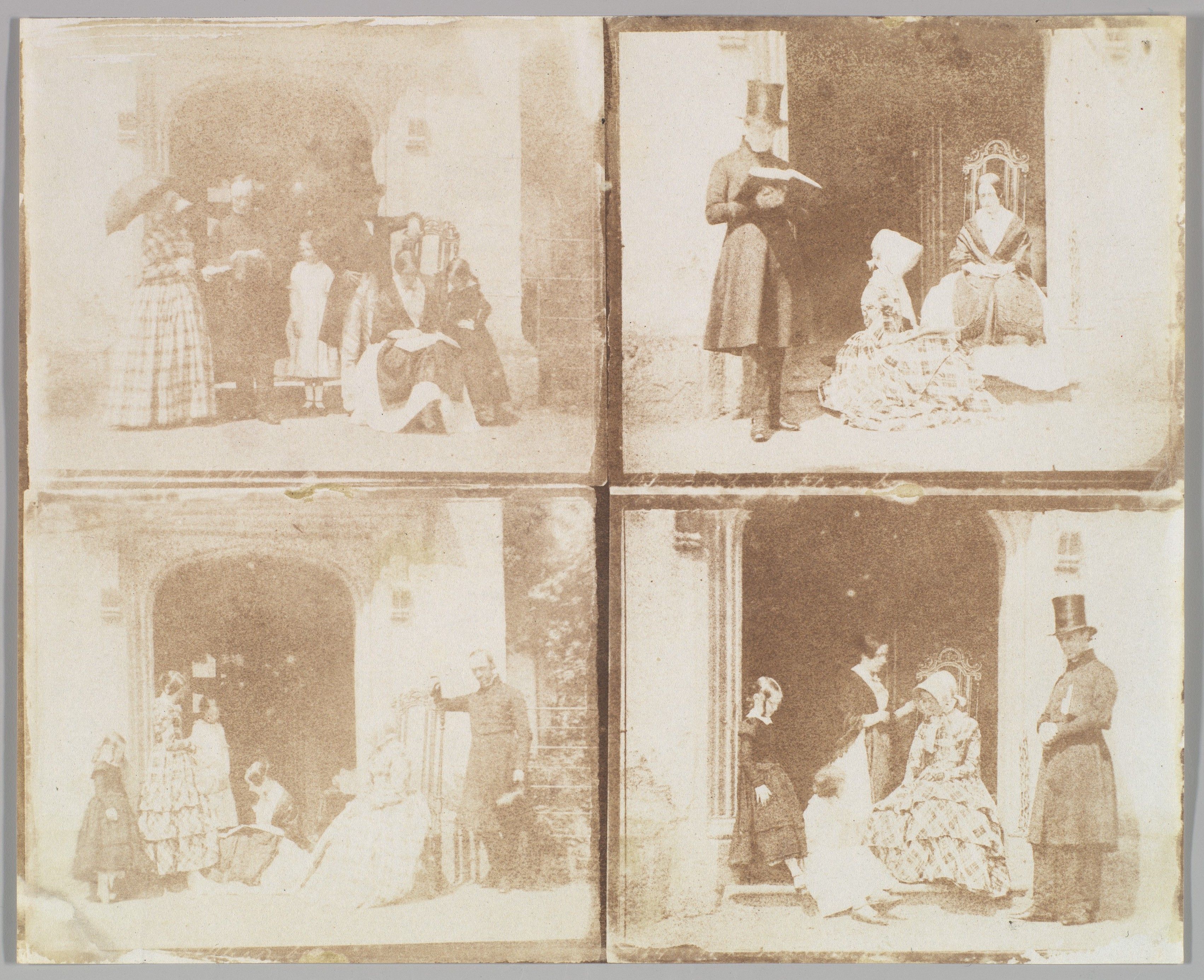
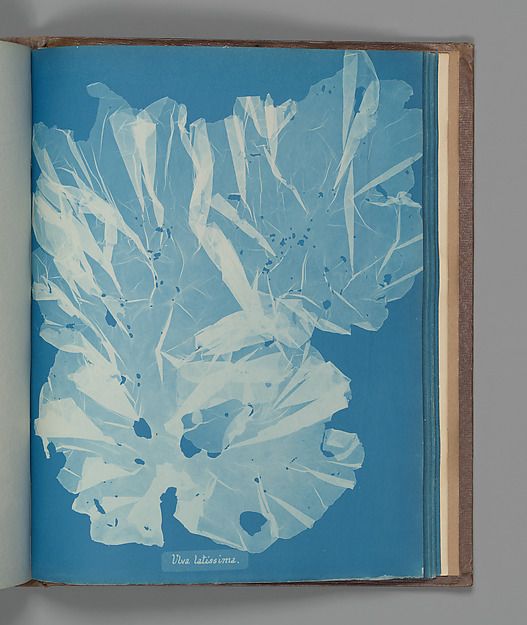
Read a photobook through its page turns, captions, scale and sequence. A practical looking exercise, with an 1866 book showing how text and photographs work together.
Depth of field describes the range that looks acceptably sharp. Learn how aperture, focus distance and background separation affect a picture, with a repeatable exercise.
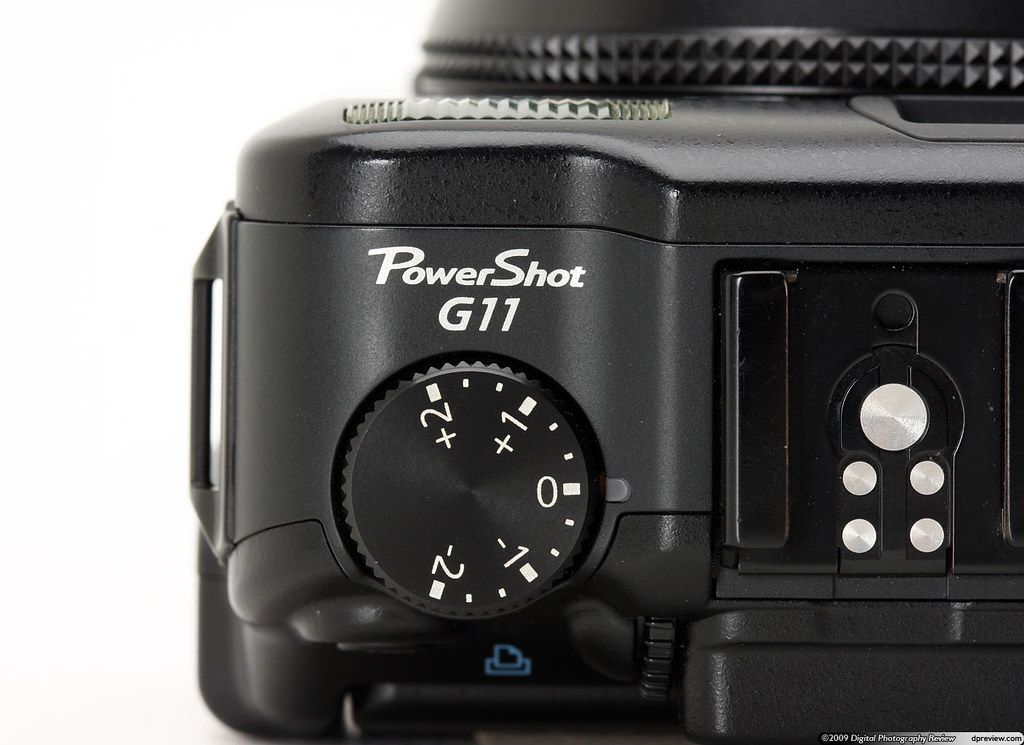
A separate camera needs a reason to leave the house. Compare framing, handling and the file workflow before assuming any compact is an upgrade from your phone.
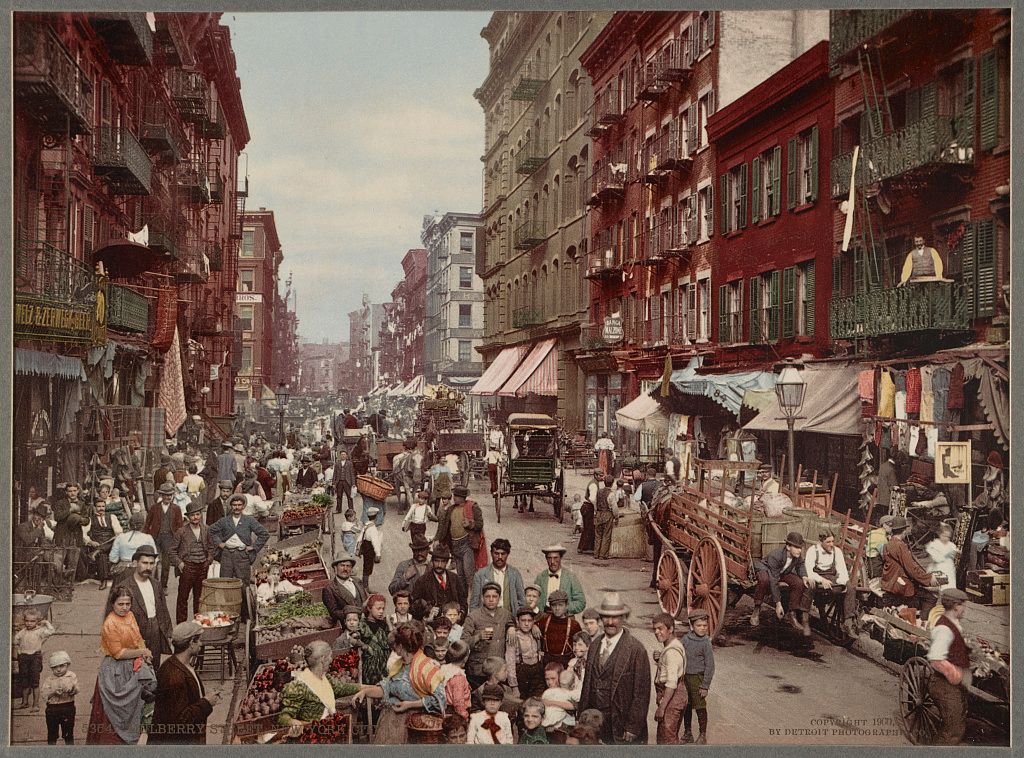
Street life, railway stations and an imagined New York reveal how postcards could picture a place, sell an idea and change from one printing to the next.
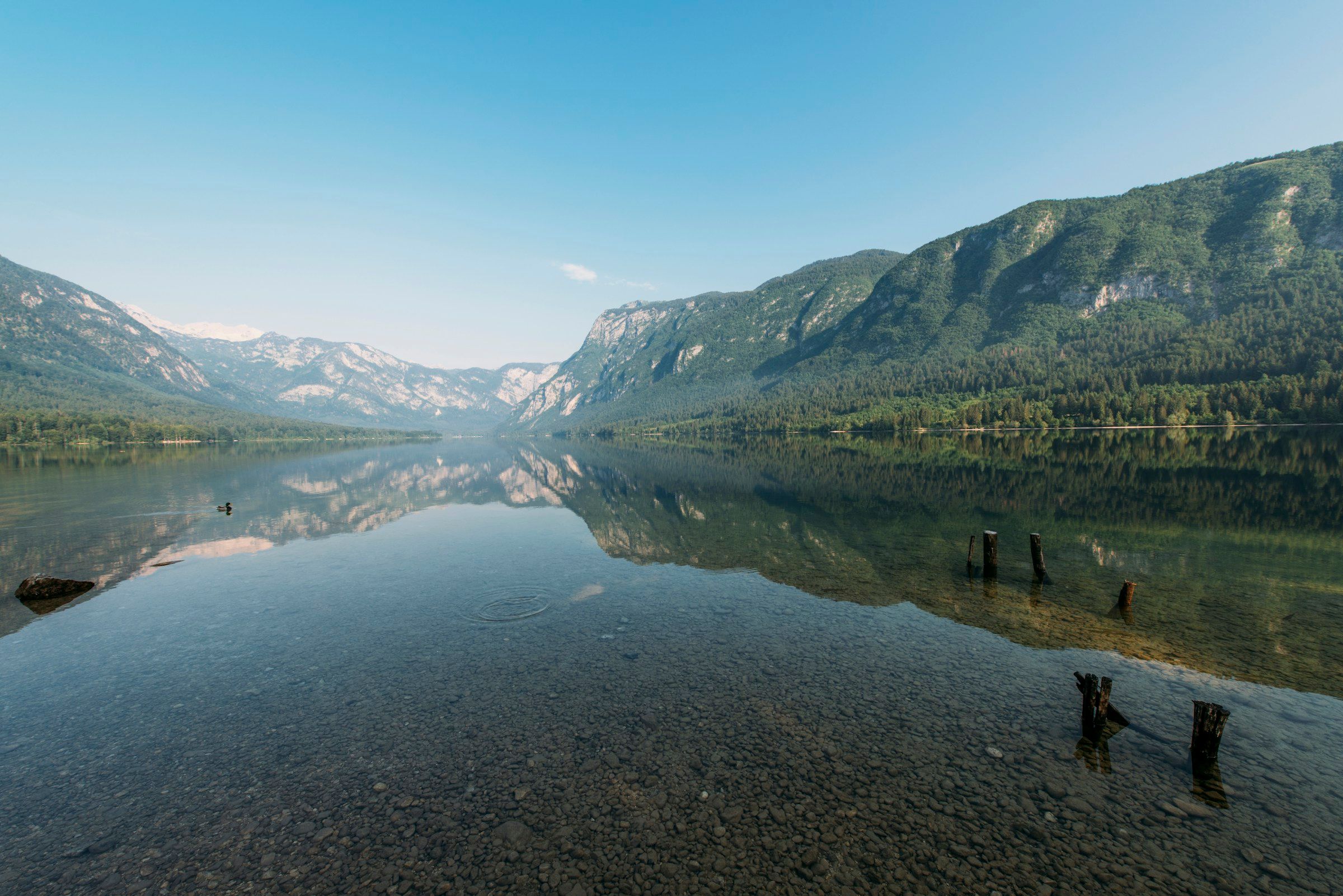
Find the viewpoint, check the light and work out how to get there. A practical scouting plan for a photo walk, a day trip or somewhere you have never visited.
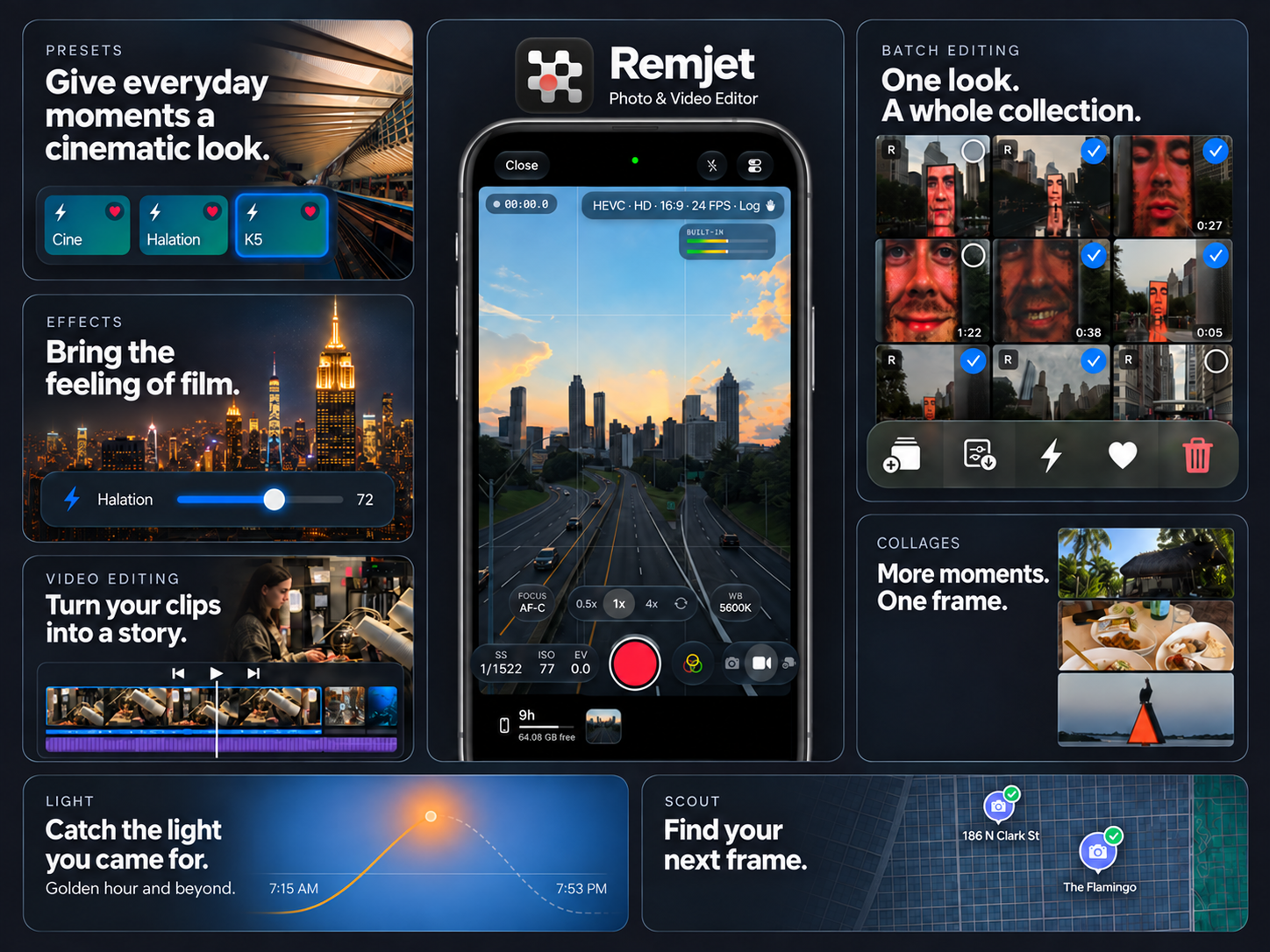
Explore Remjet 1.0 feature by feature: camera controls, RAW photos, video projects, color grading, audio, collages, exports, location scouting, and light planning.