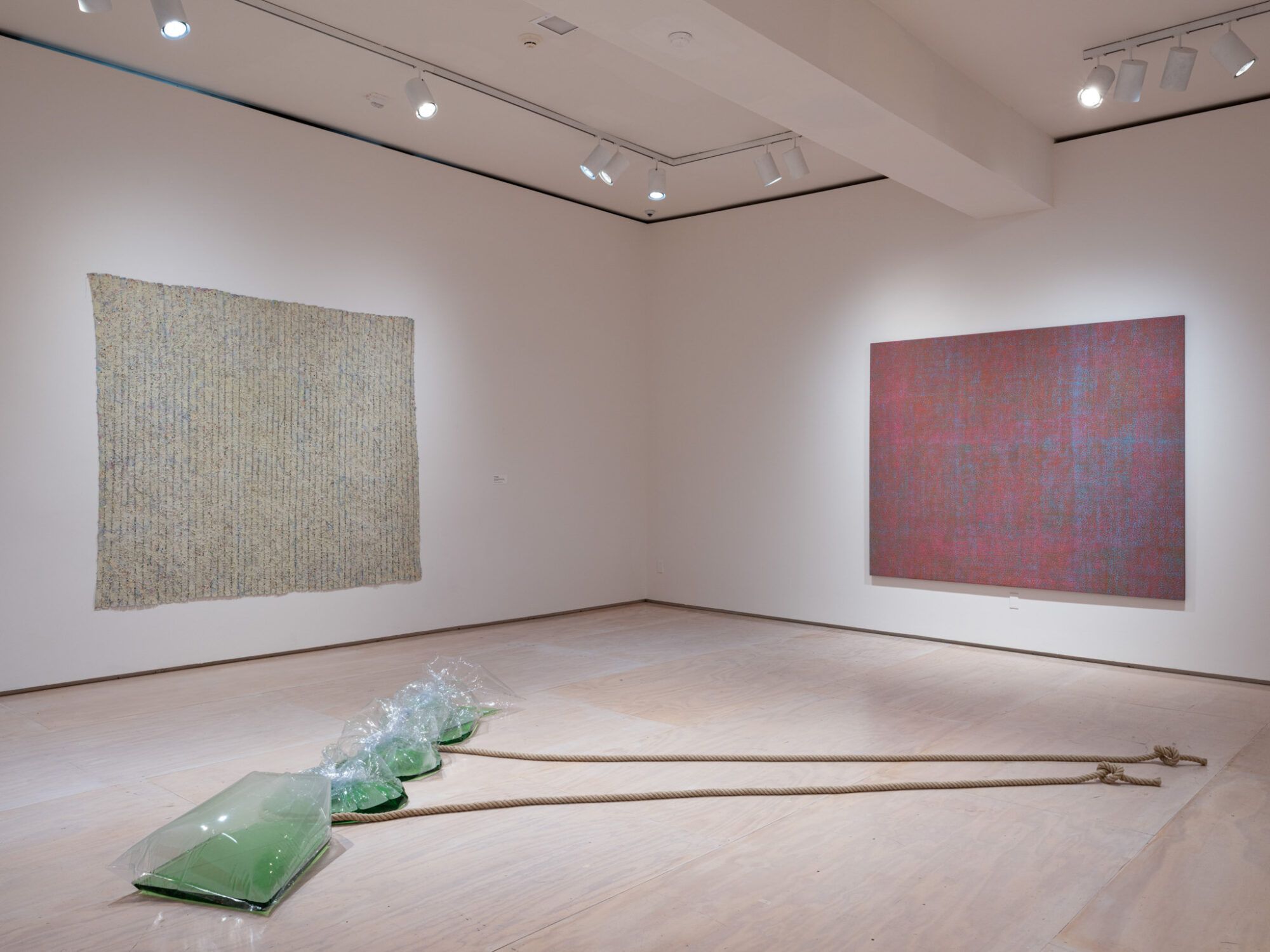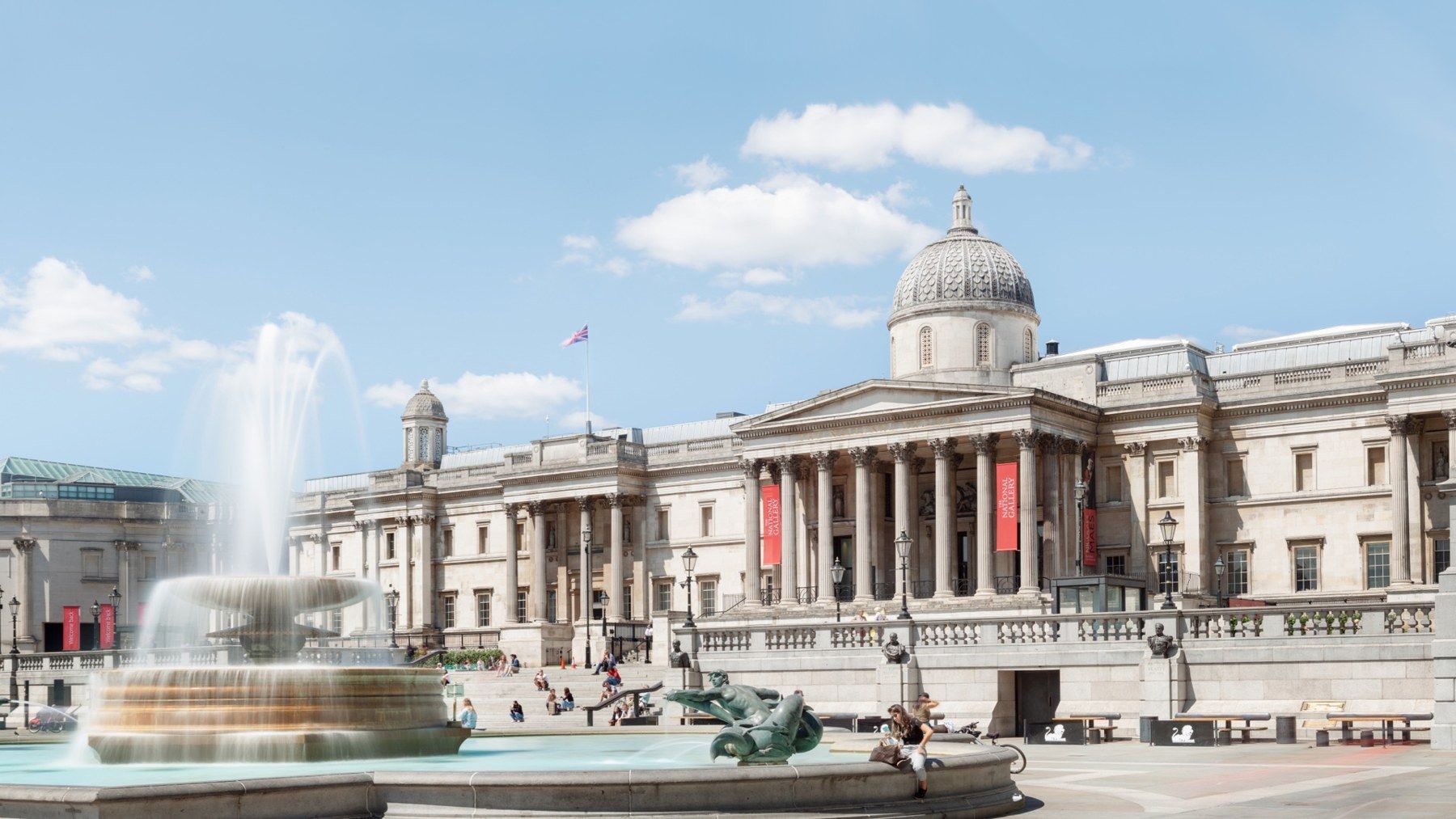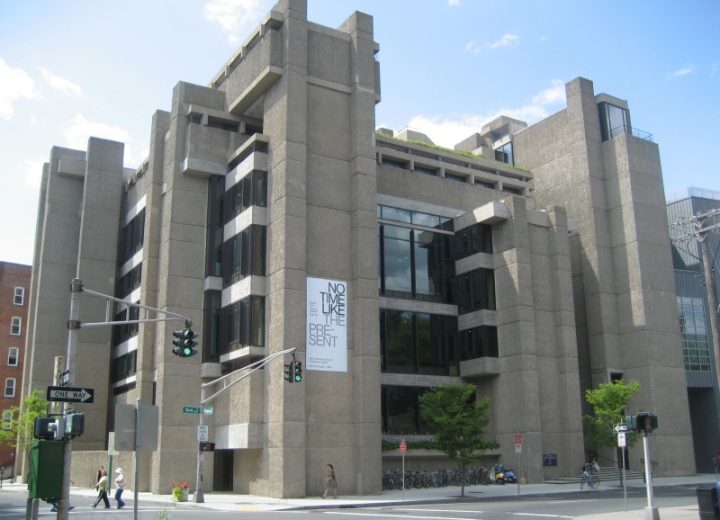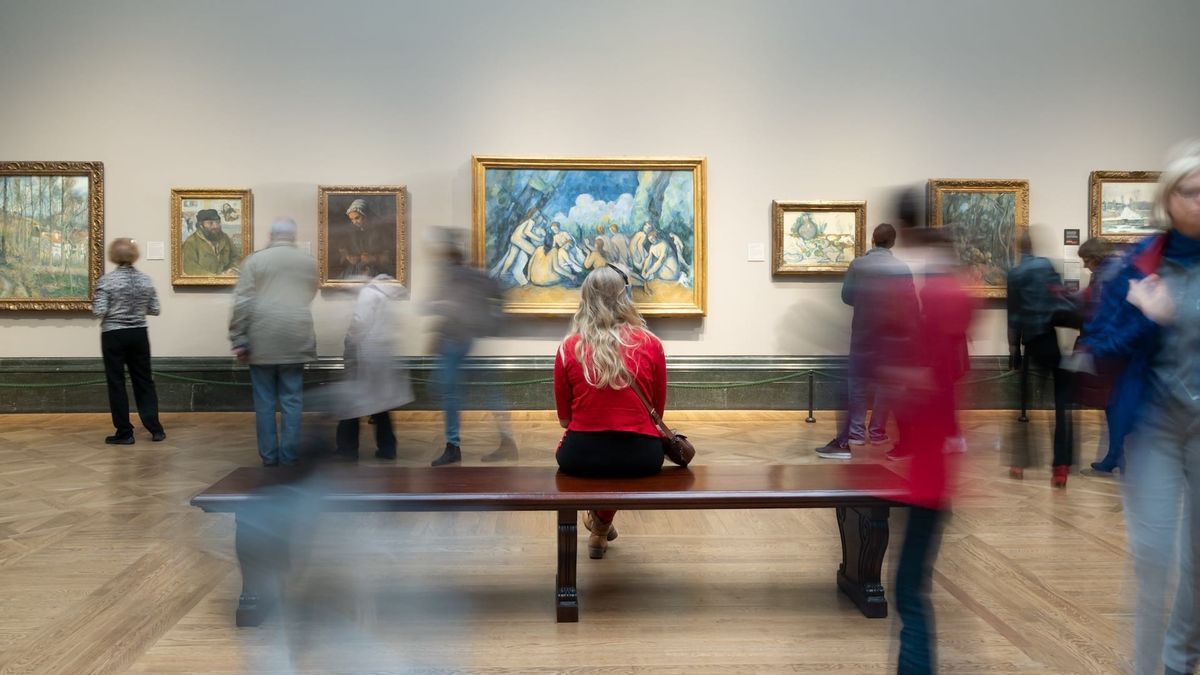
A museum usually researches, collects, conserves and presents a collection for the public. A gallery can mean a business that sells art, an independent exhibition space or a room inside a museum. The names overlap: London’s National Gallery holds a national collection of paintings. Its name does not make it a commercial gallery.
What does a museum do?
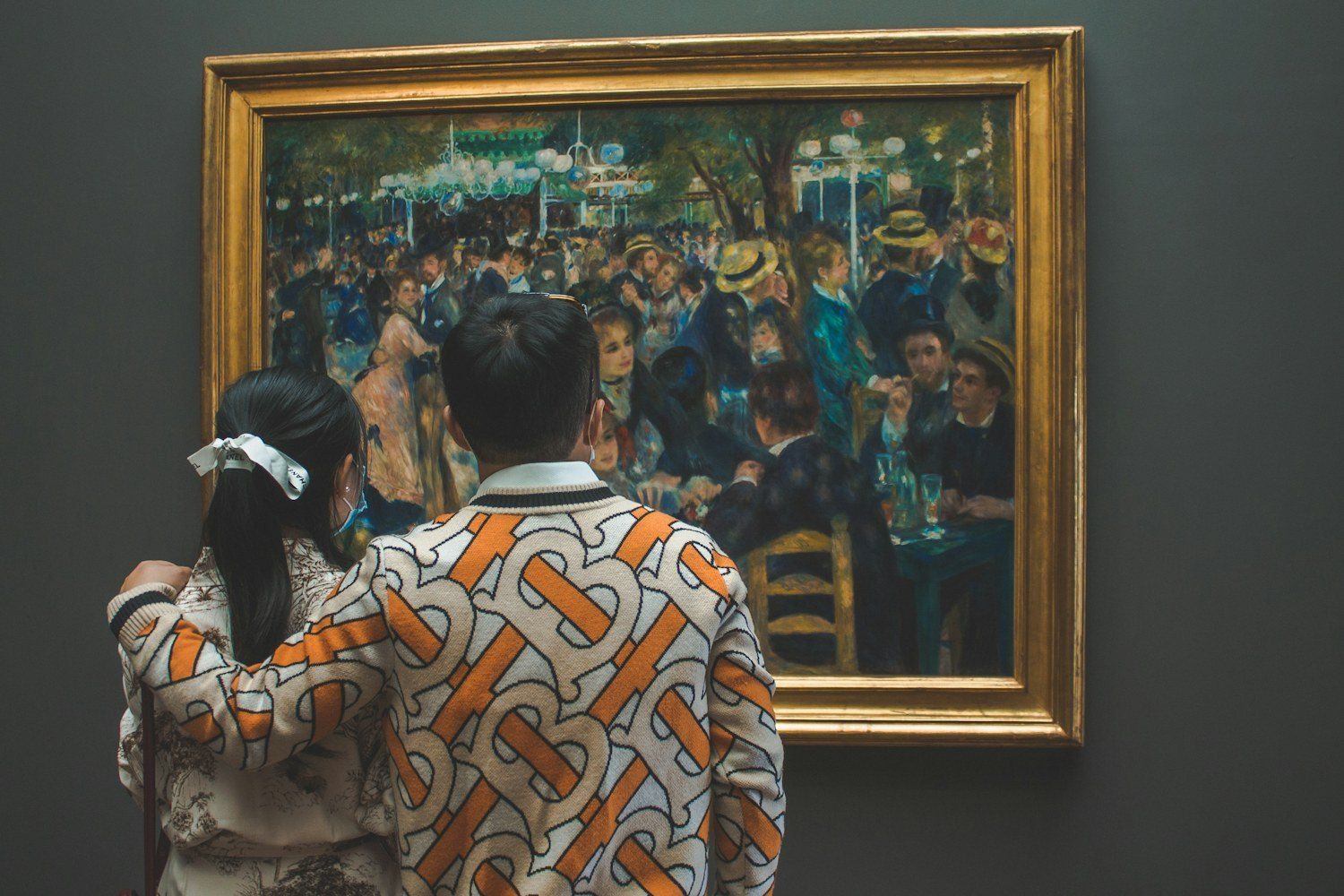
The International Council of Museums defines a museum as a permanent, nonprofit institution serving society through research, collecting, conservation, interpretation and exhibitions. That mission helps explain why a museum may keep works in storage, rotate fragile objects or show material that is not for sale. The exhibition is one part of its work.
What can “gallery” mean?
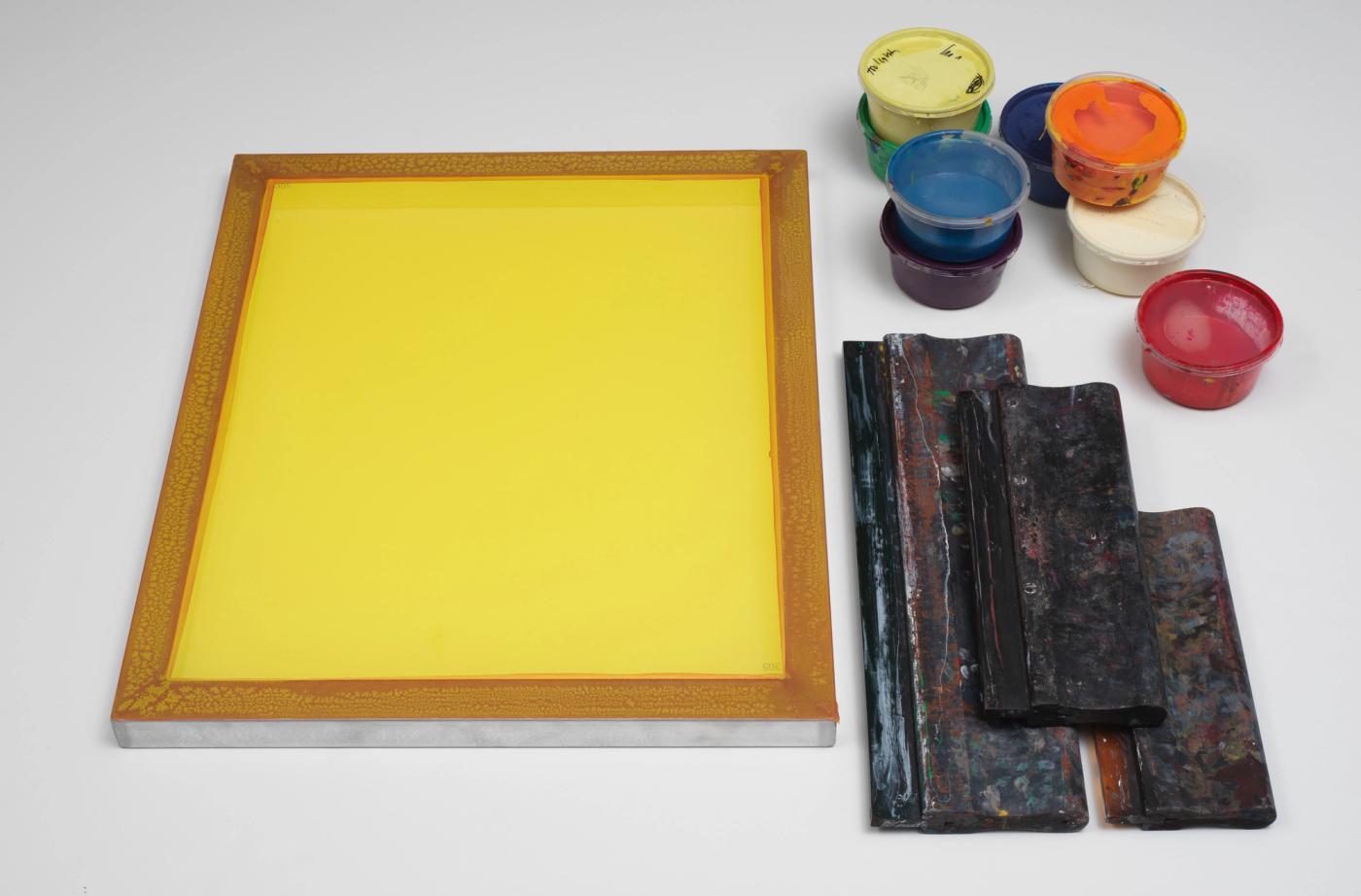
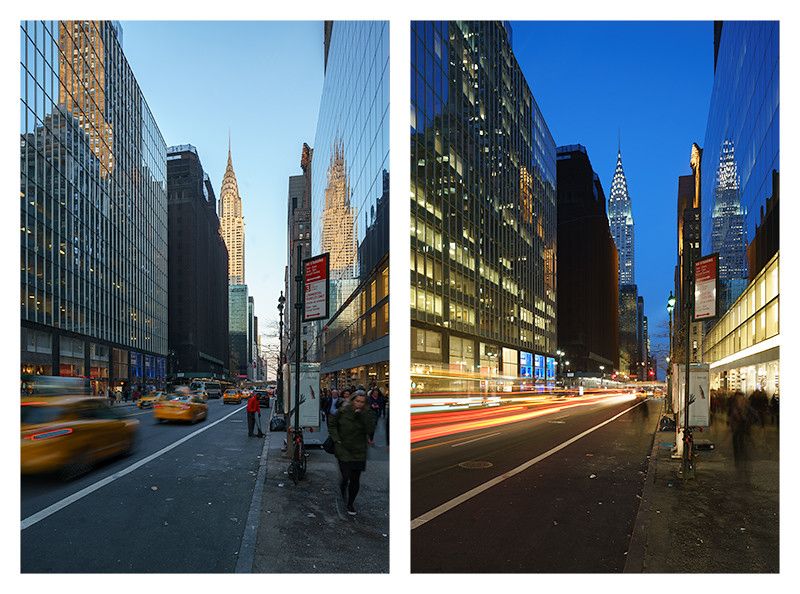
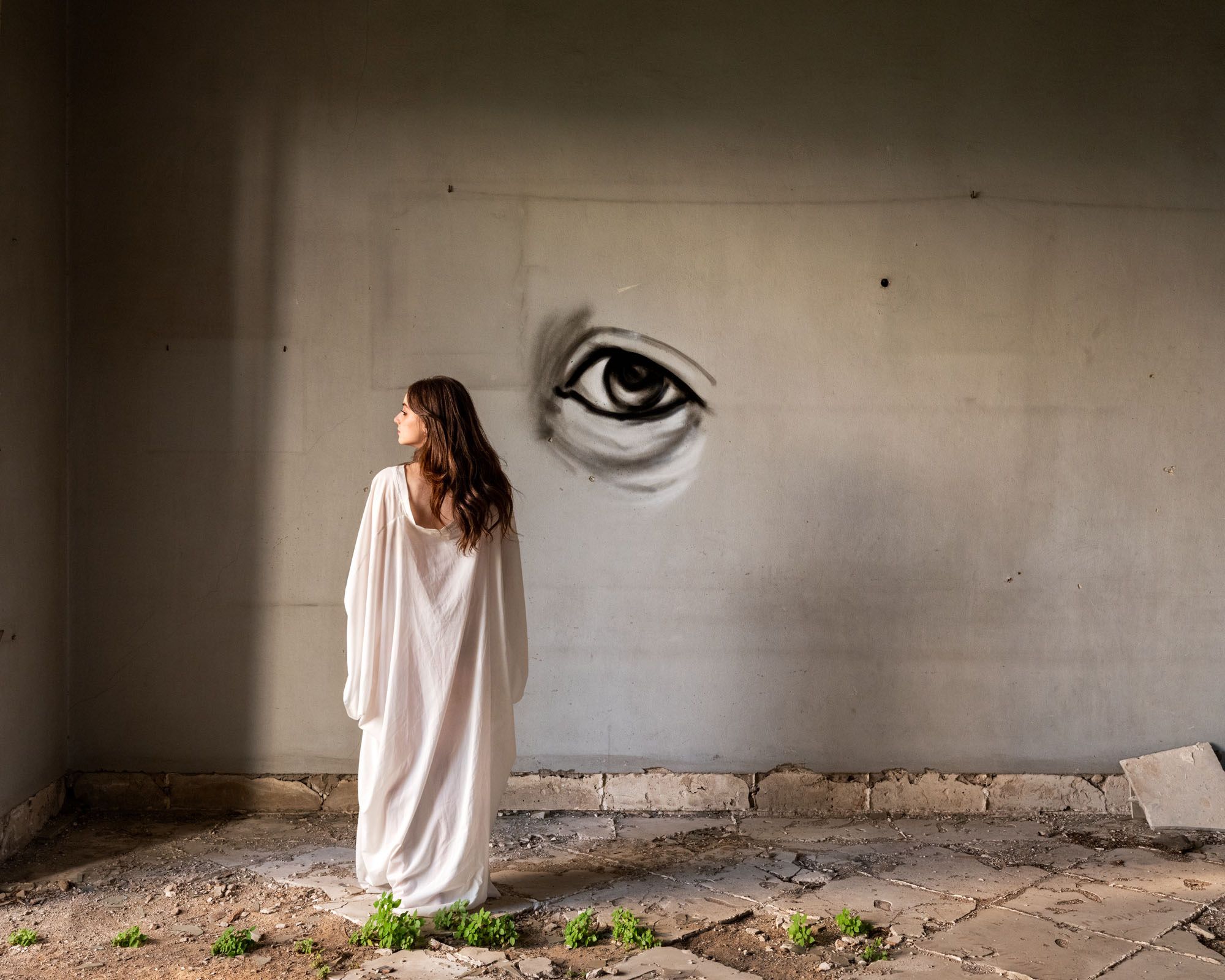
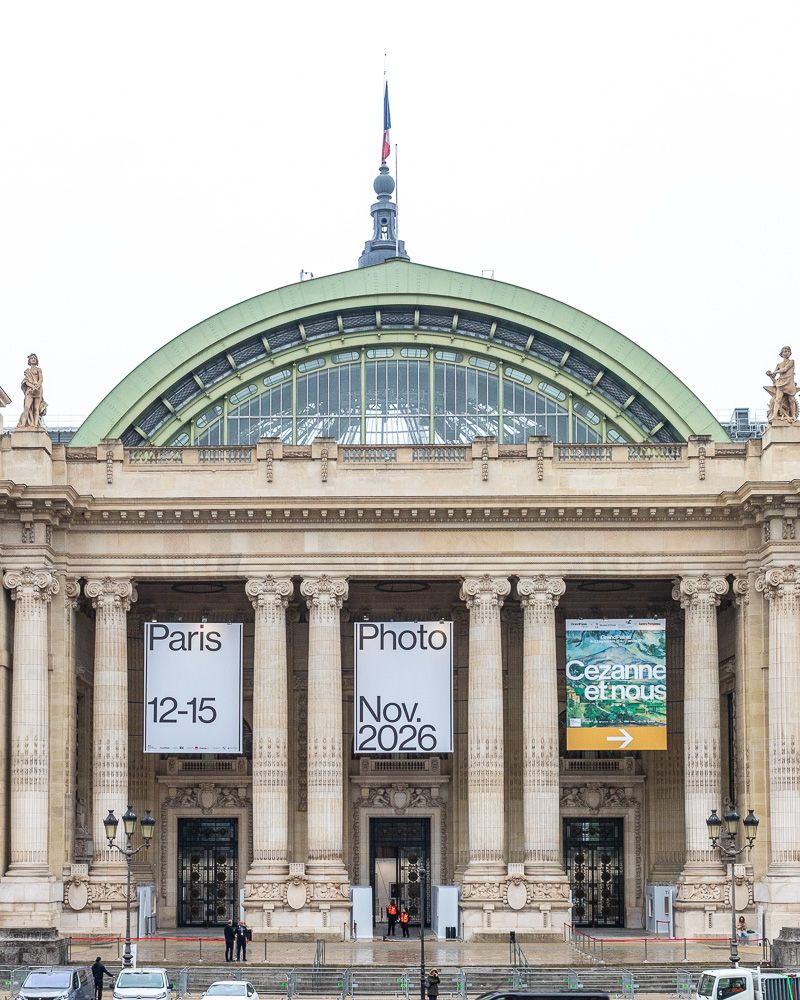
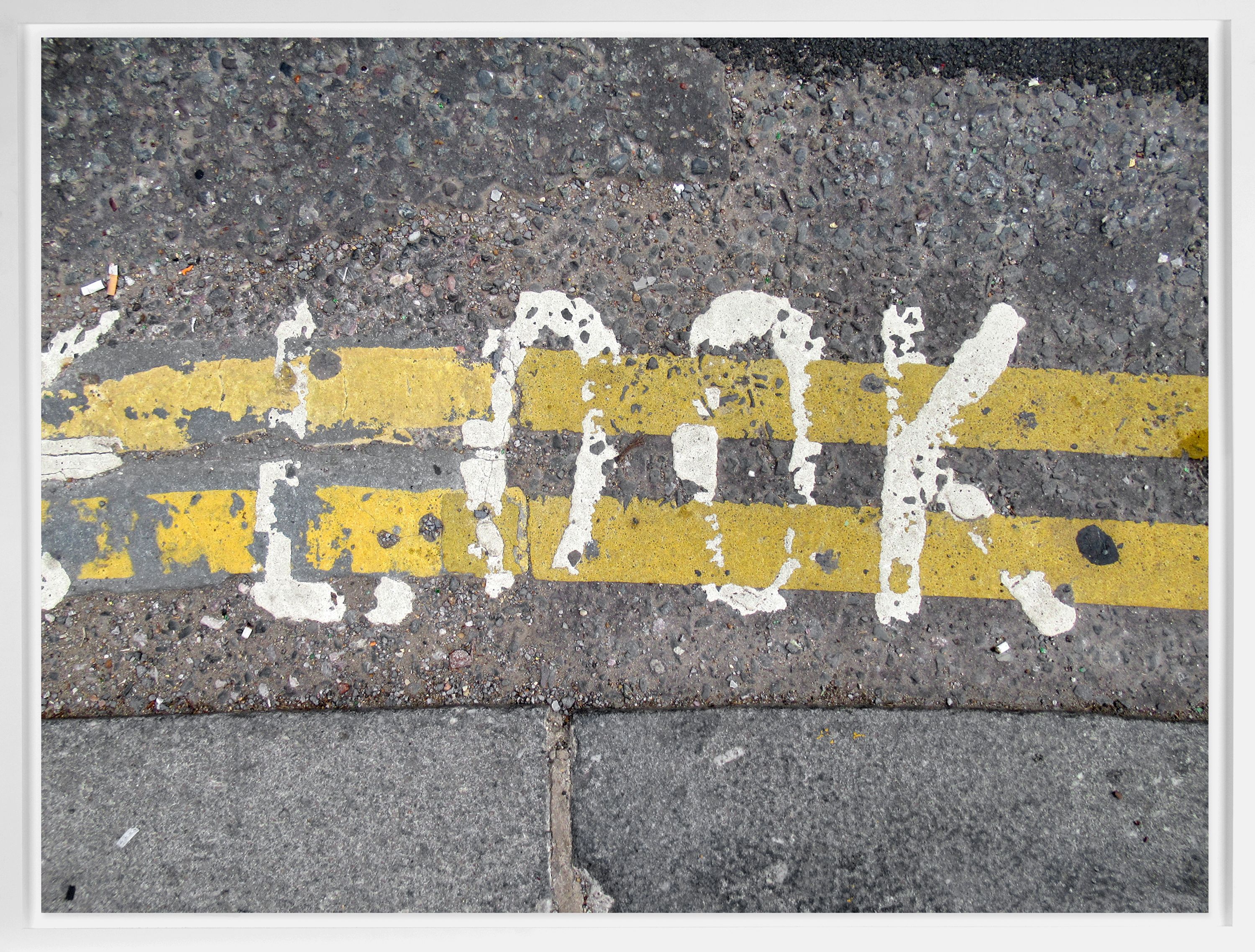
A commercial gallery often represents artists and arranges exhibitions alongside sales. A work’s listing may identify its medium, dimensions and edition, then invite an inquiry. In its published selection for Paris Photo, November 12–15, 2026, Fraenkel Gallery listed Christian Marclay’s Look (2019) as an edition of five plus two artist’s proofs. The framed work below is an example of that kind of inventory listing.
Other galleries operate as nonprofits or public exhibition spaces. Inside a museum, a gallery can simply mean a room or group of rooms. Neither the word “gallery” nor “museum” tells you whether admission is free, whether photography is allowed or whether a particular artwork is on view.
What should you check before visiting?
Start with the institution’s own exhibition page. Check the dates, address, opening hours and booking rules, then look for photography and bag policies. A commercial gallery may welcome visitors without requiring a purchase; confirm its public hours rather than assuming it is appointment-only. For a particular artwork, check the current display information. A collection page or past exhibition listing does not guarantee that the work is in the room today.