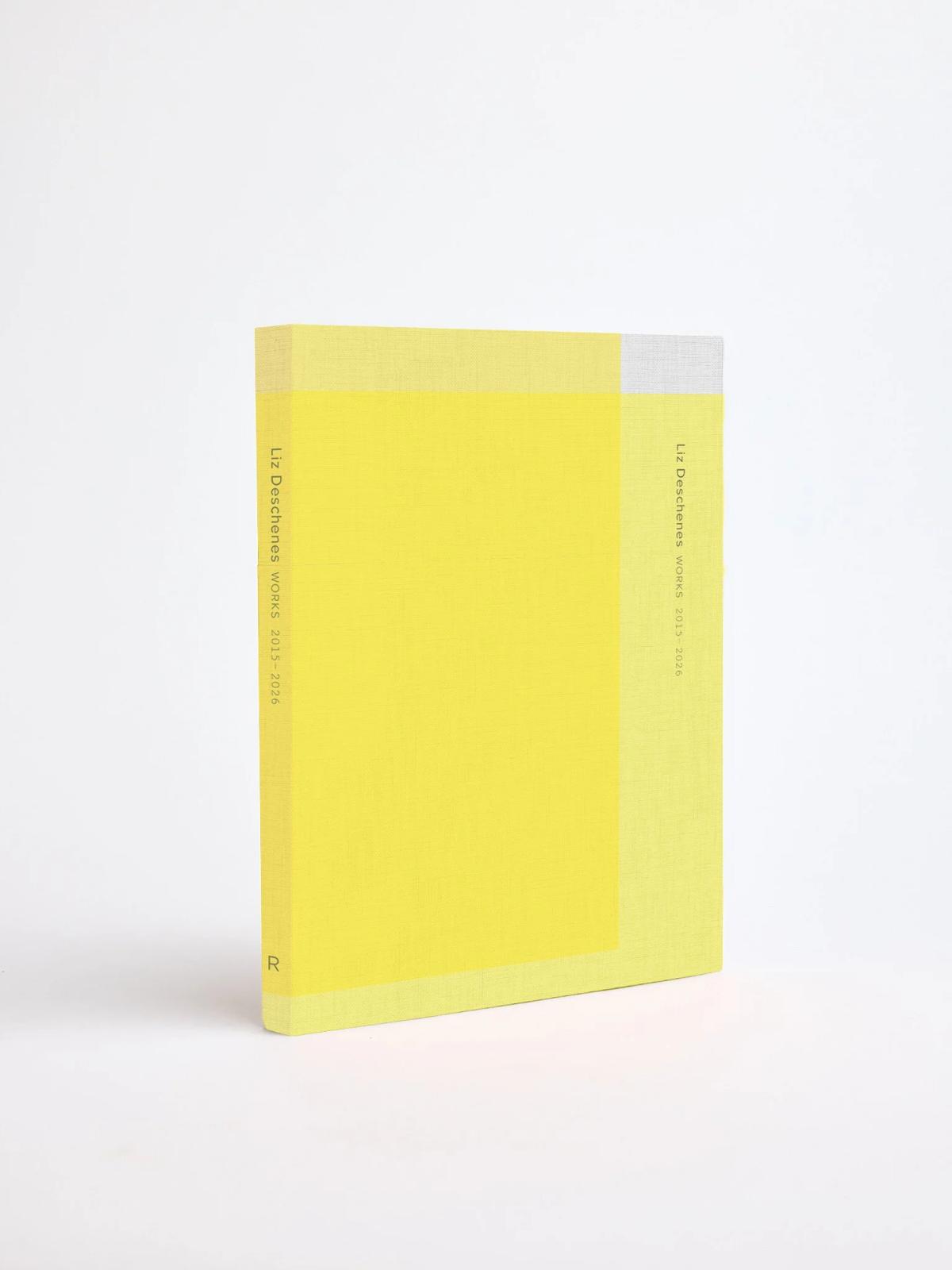
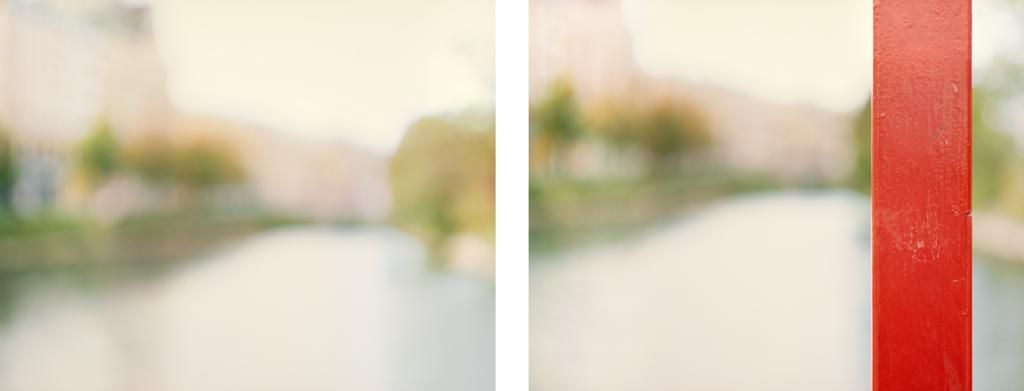
A new monograph brings together eleven years of work by Liz Deschenes, from silvery photograms to prints that give a single color the whole frame.
Source: Radius Books
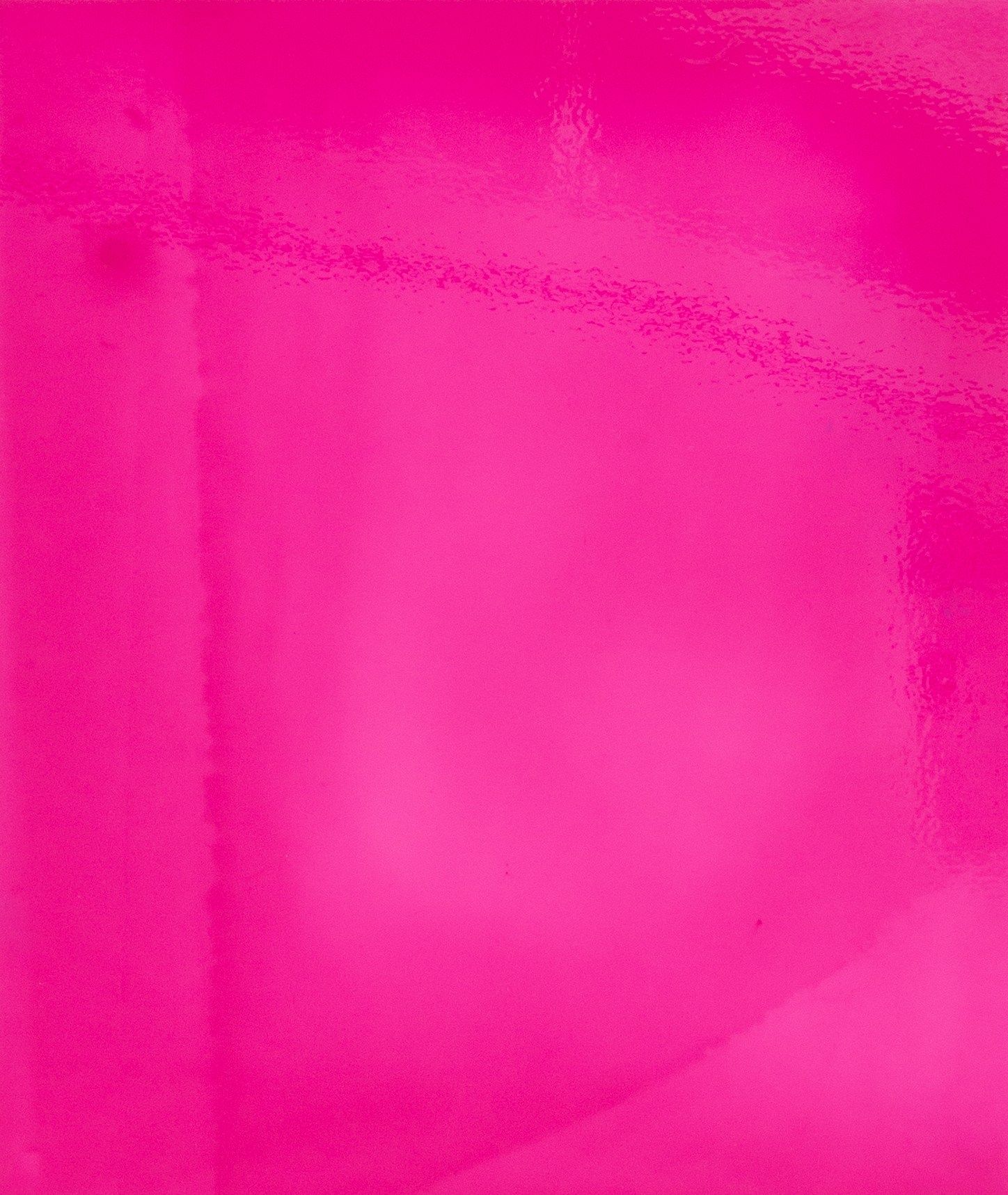
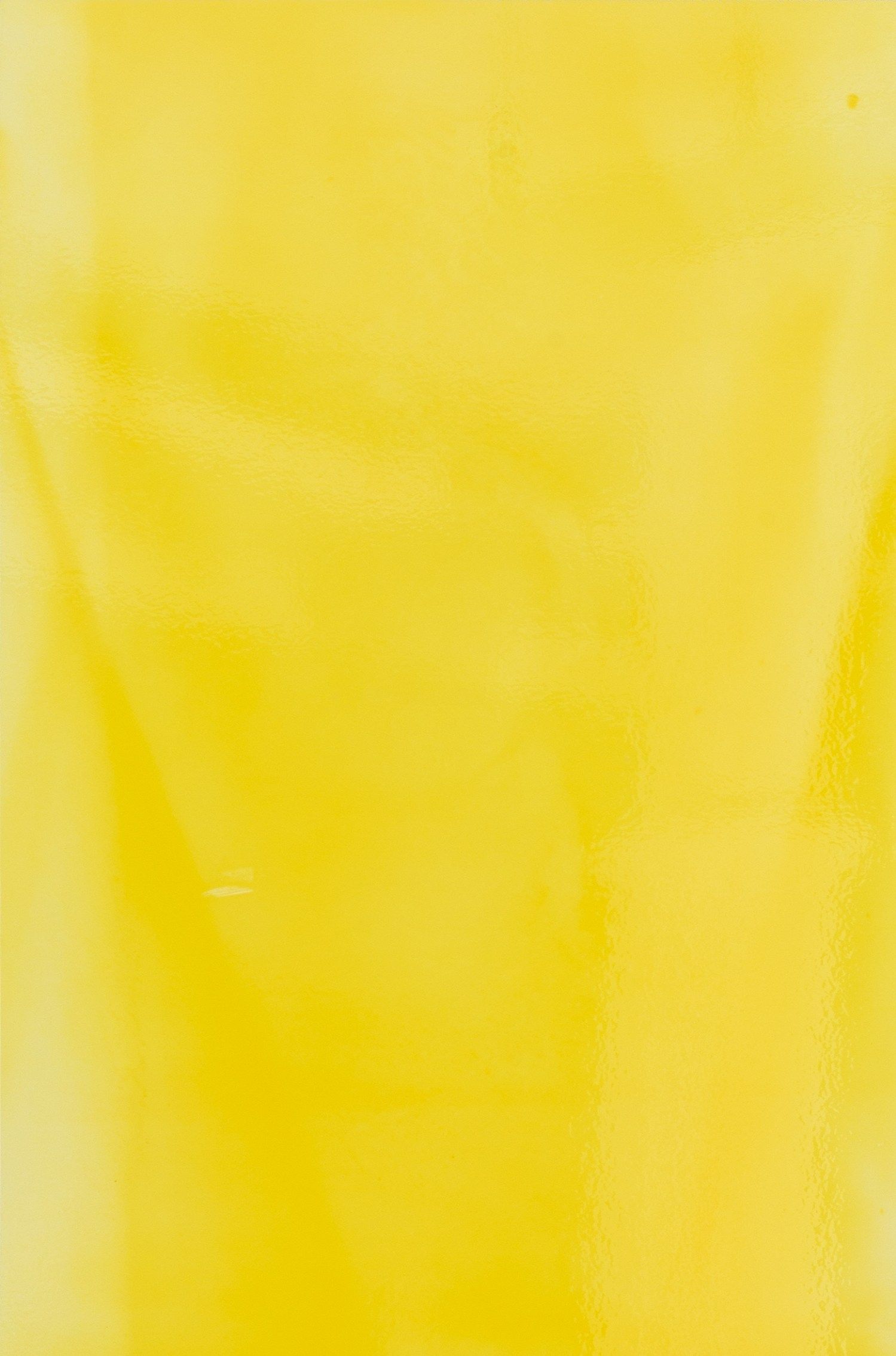
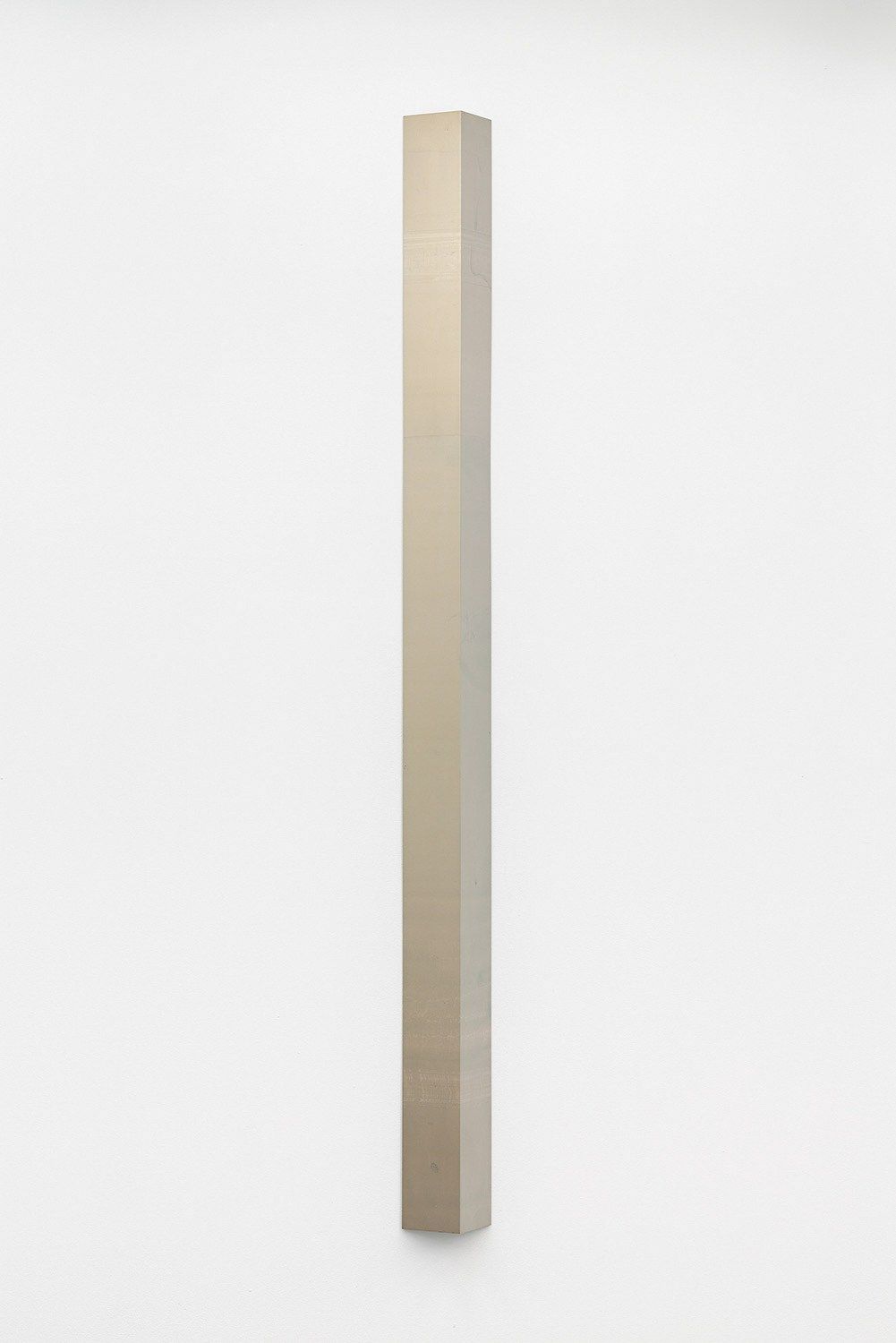
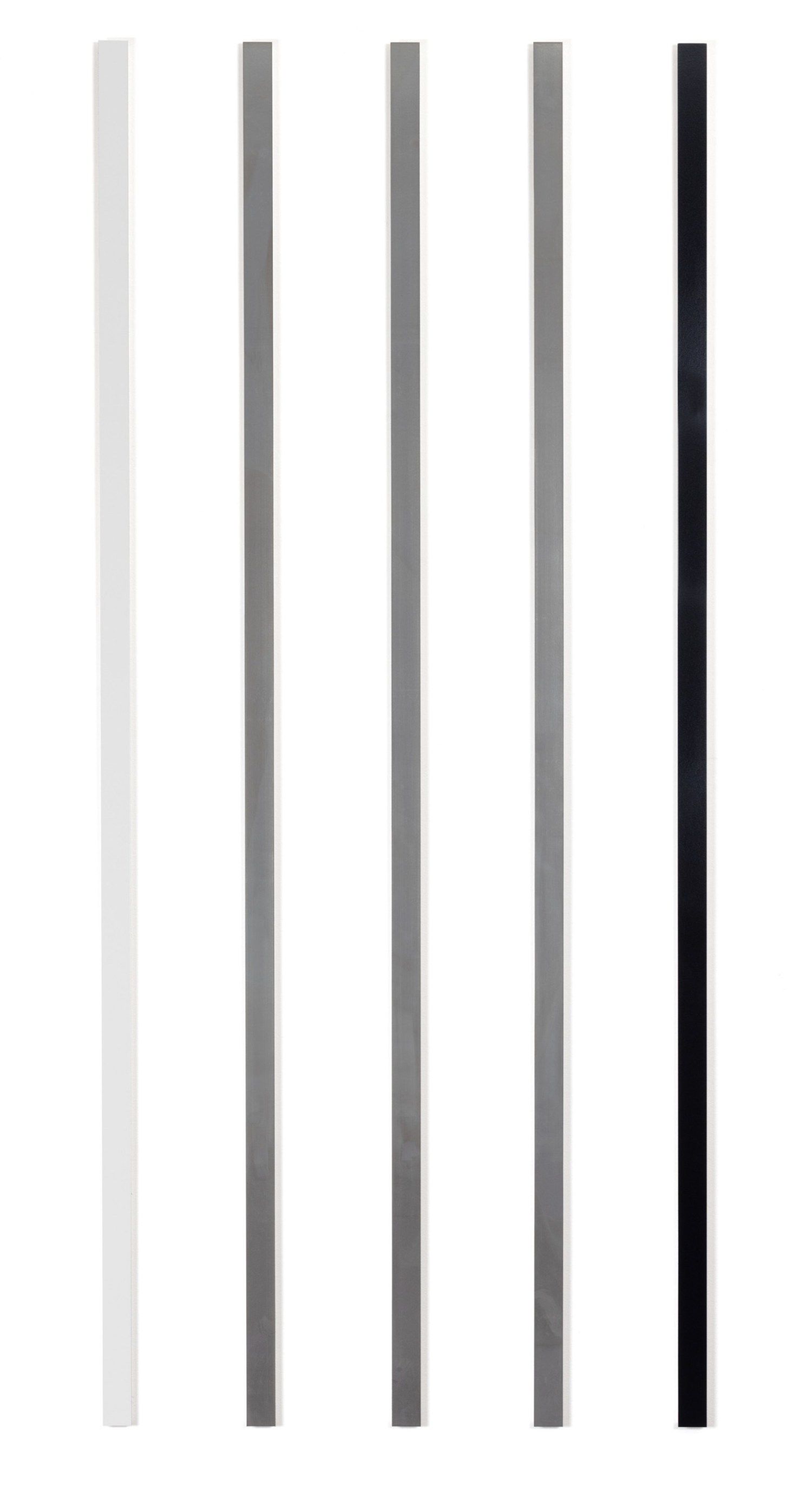
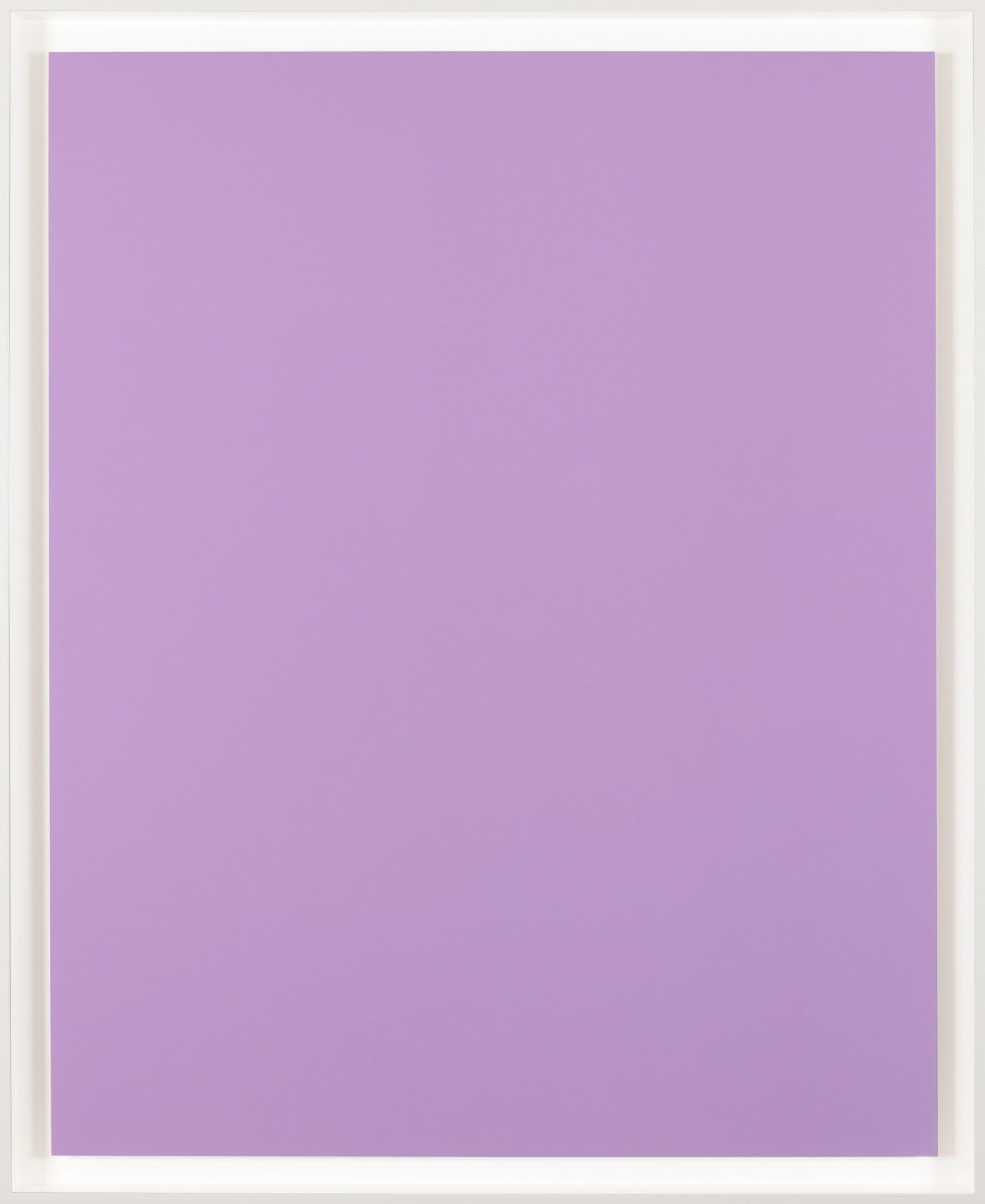
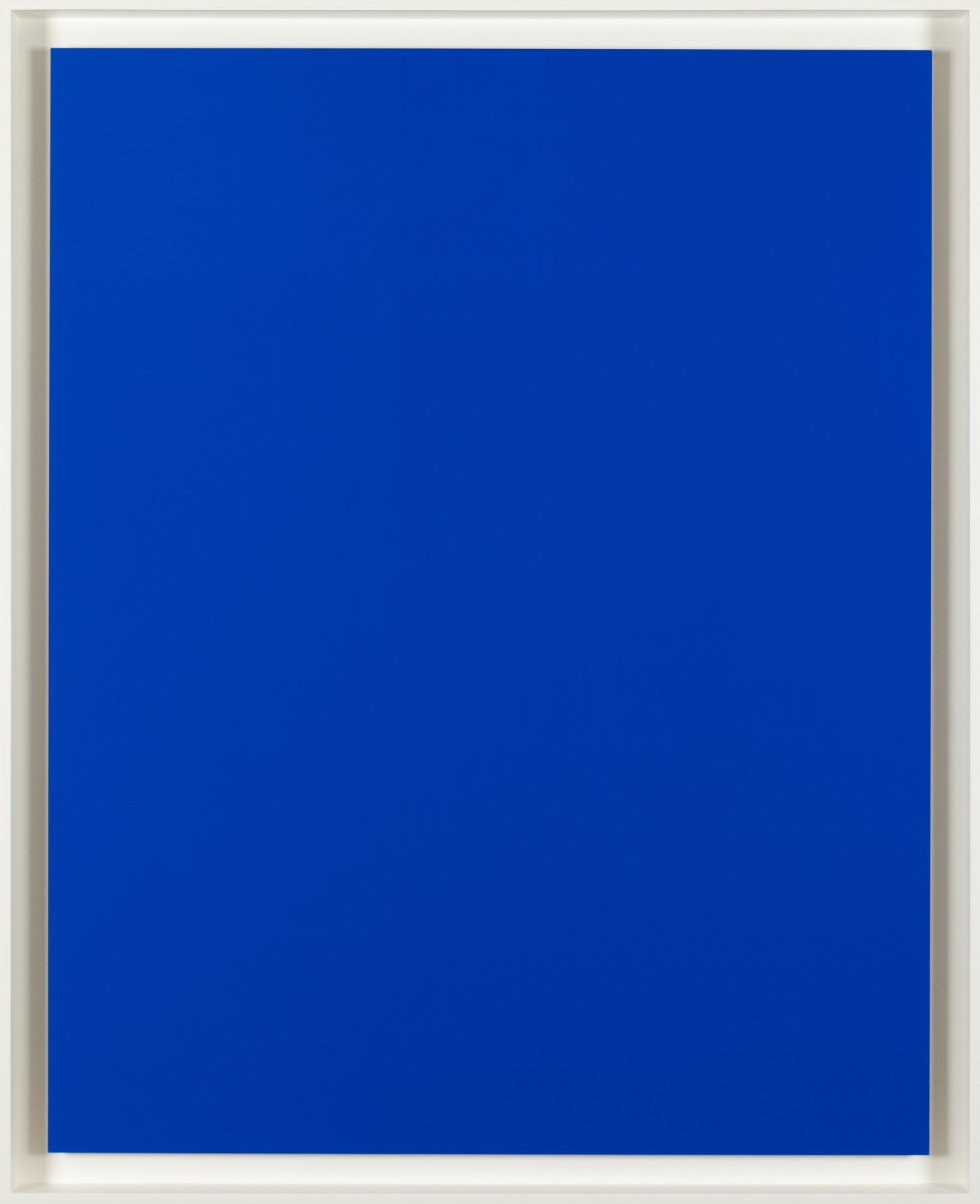
Much of Liz Deschenes’s work starts with the materials of photography: light, paper, dye and metal. In her photograms, paper exposed directly to light becomes a surface that can reflect the room and the person looking at it. Other pieces work with manufactured color. Two small works titled Kodak, both from 2026, use dye transfer dyes on Epson paper. The two colors look flat at first glance. Stay with them and you can see folds, edges and patches where the color thins.
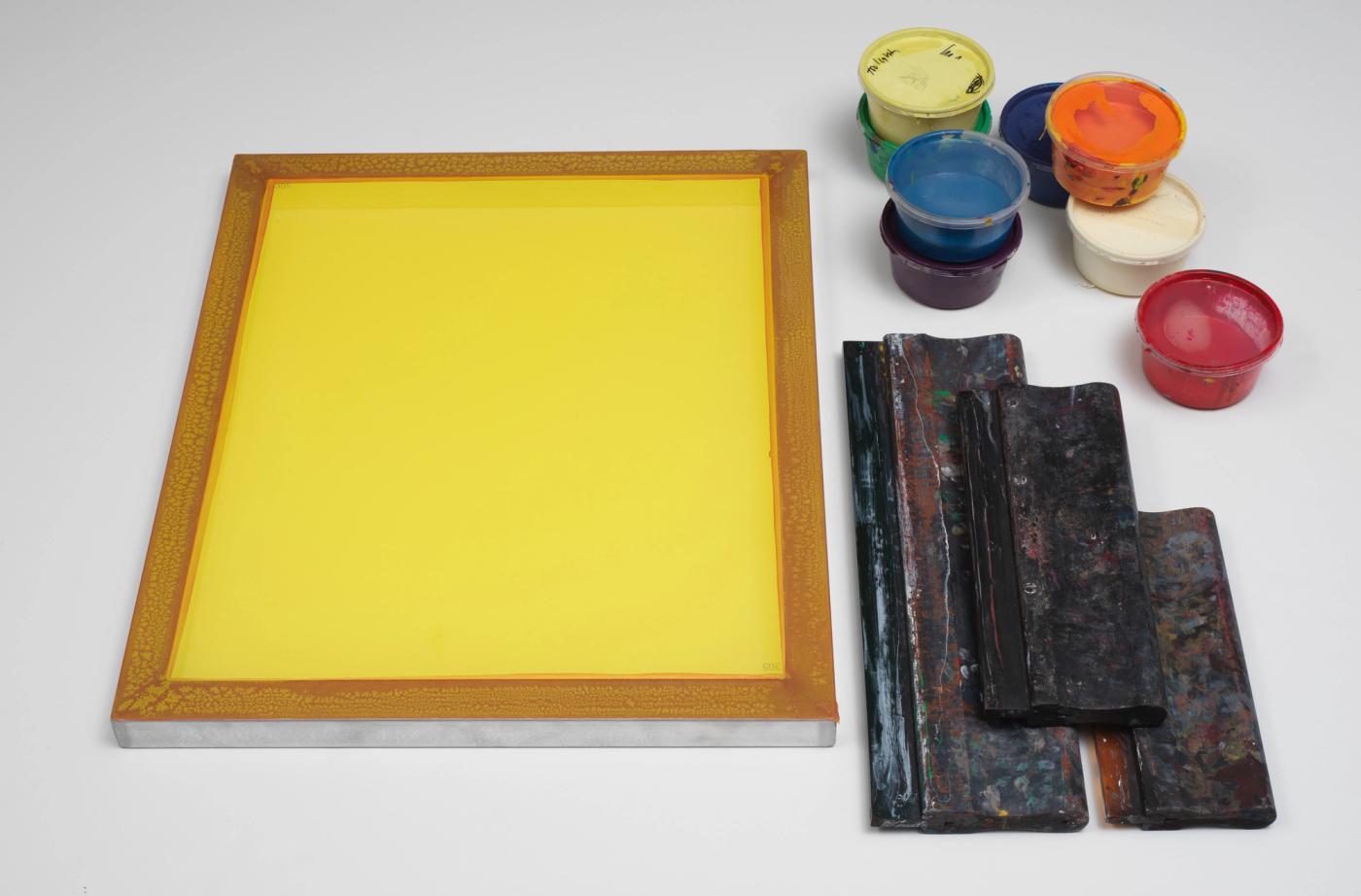
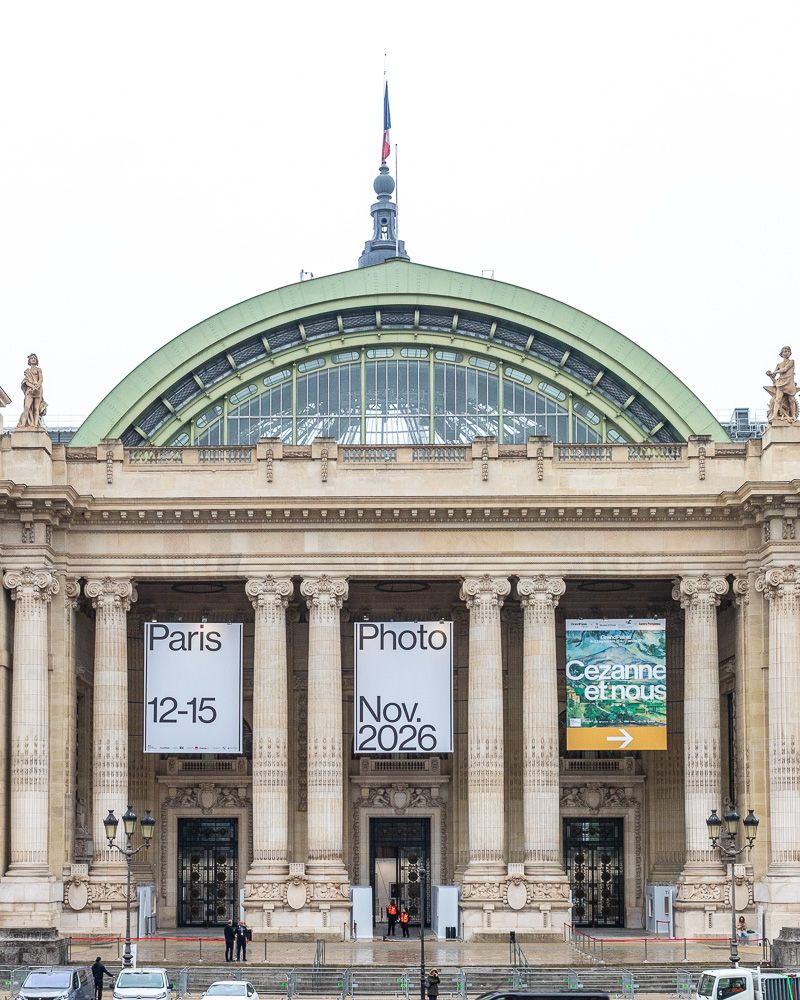
Radius Books’s monograph Liz Deschenes: Works 2015–2026 takes that work from the gallery to the page. The book was on the Paris Photo signing program at Radius Books’s booth this November. The six pieces below come from the gallery’s published selection and show how different those surfaces can be, even when each work gives most of its space to one color.
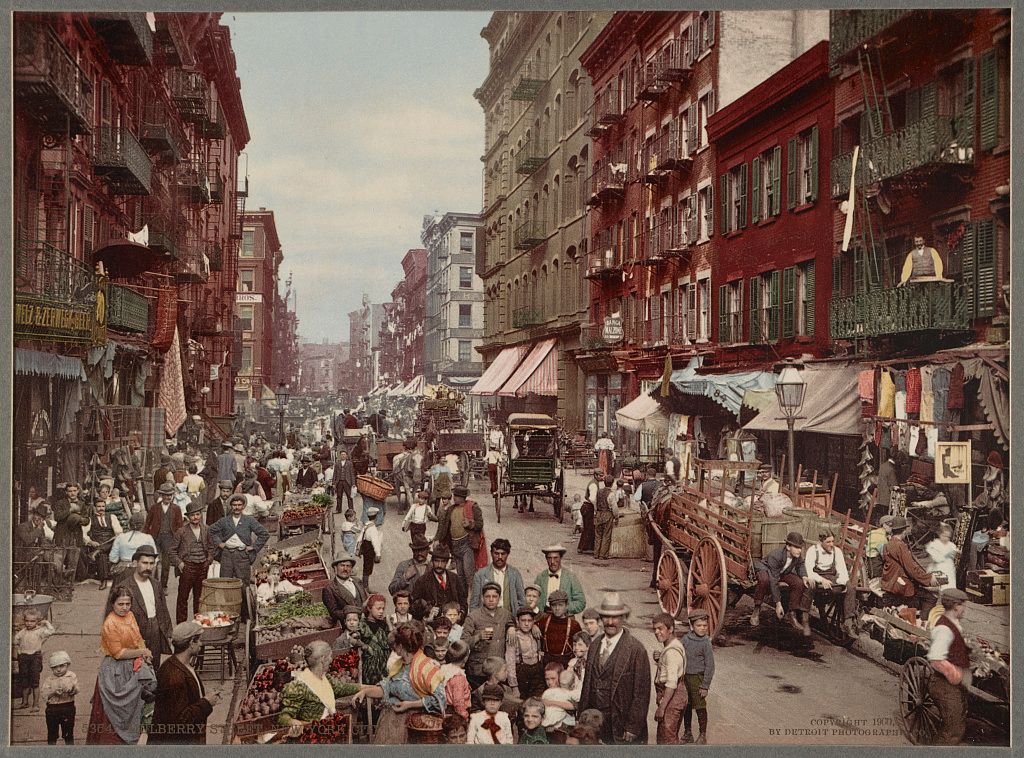
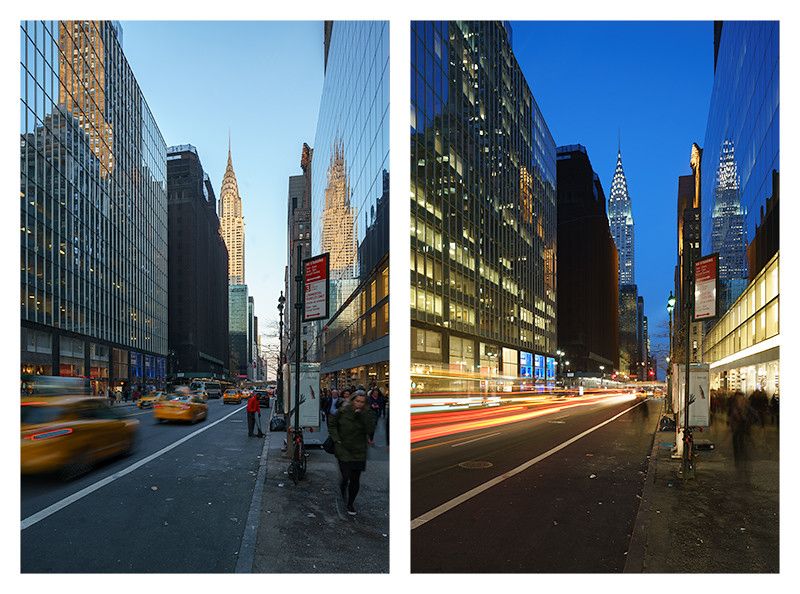
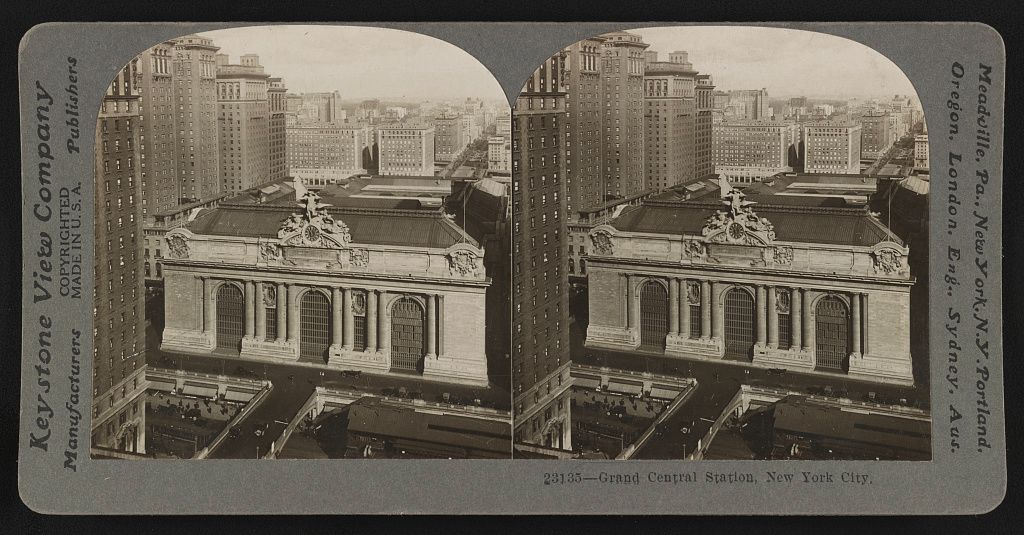
Street life, railway stations and an imagined New York reveal how postcards could picture a place, sell an idea and change from one printing to the next.
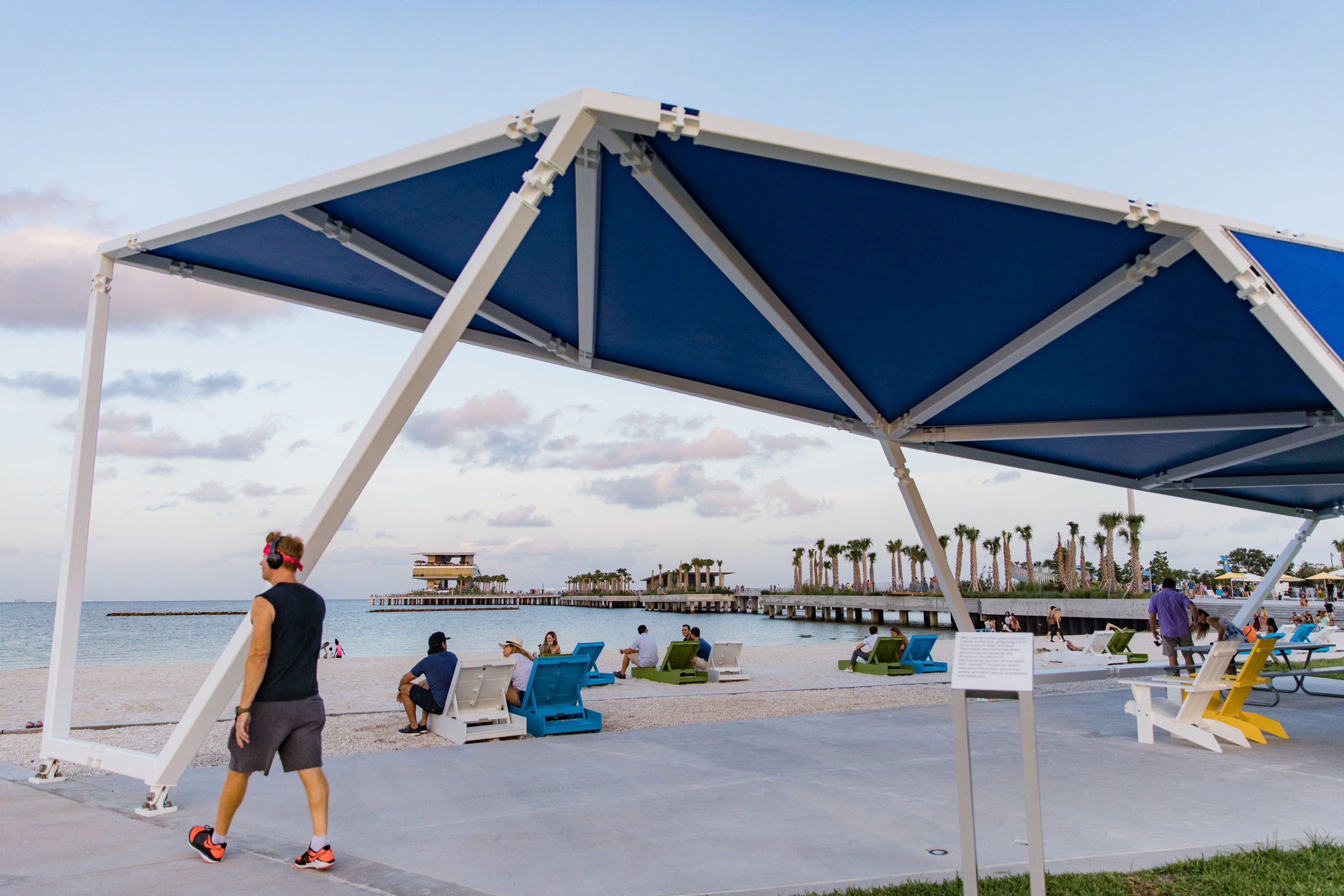
Follow the St. Petersburg waterfront from Spa Beach to the First Flight sculpture and the Fishing Deck. Each stop gives you a different way to frame Tampa Bay.
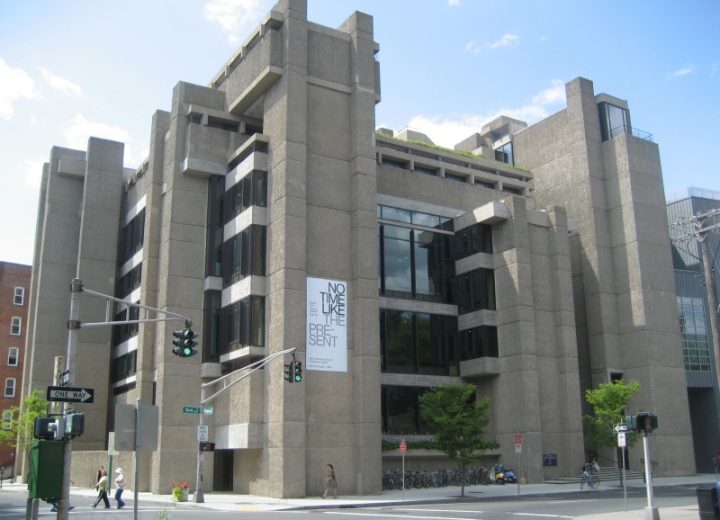
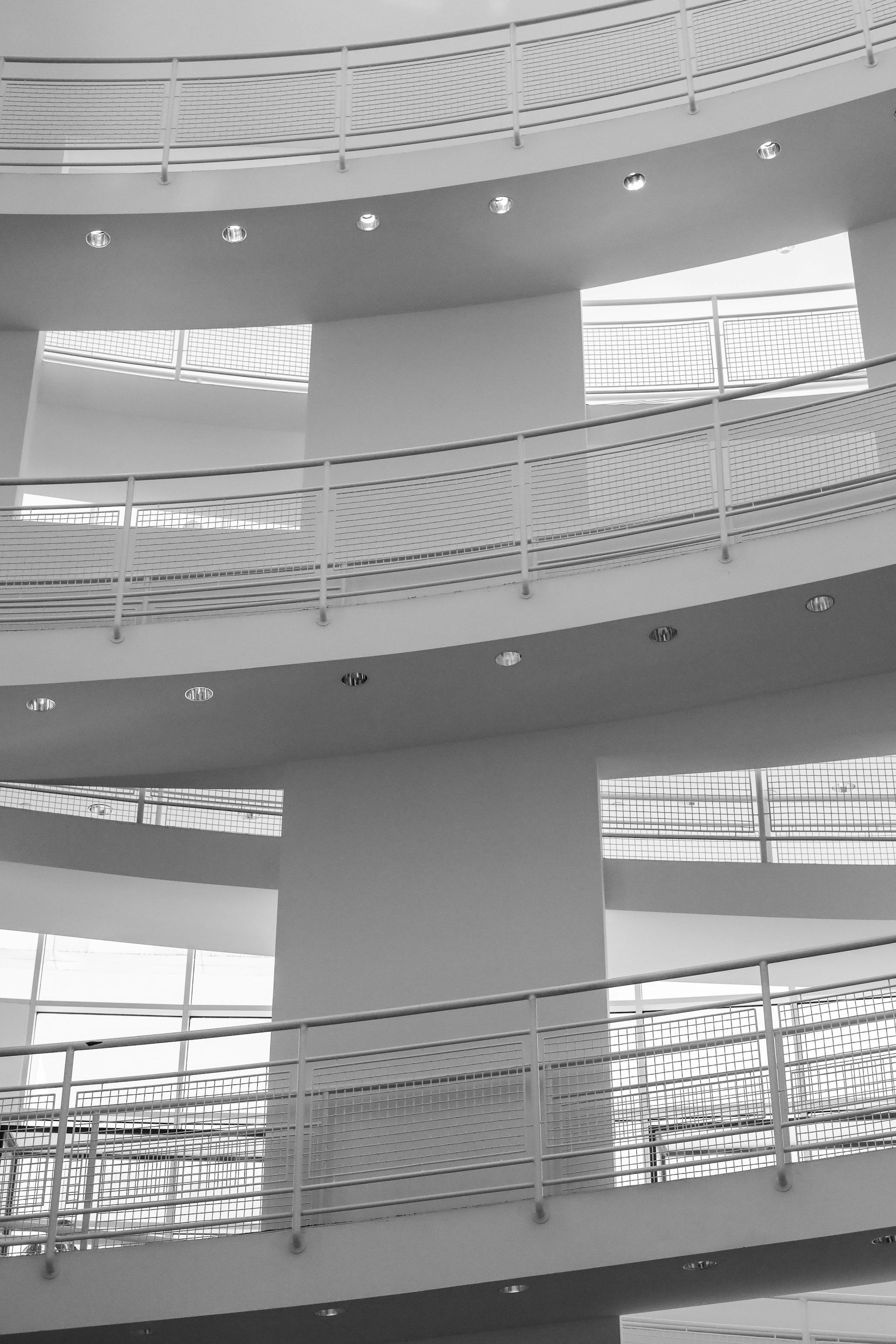
The ridges of Rudolph Hall cast narrow shadows. The Kimbell’s smooth concrete vaults spread daylight. Two buildings give photographers different ways to frame light.
Check the museum’s visitor policy, then look for signs in the exhibition. A handheld photo, a tripod and a planned shoot can each follow different rules.
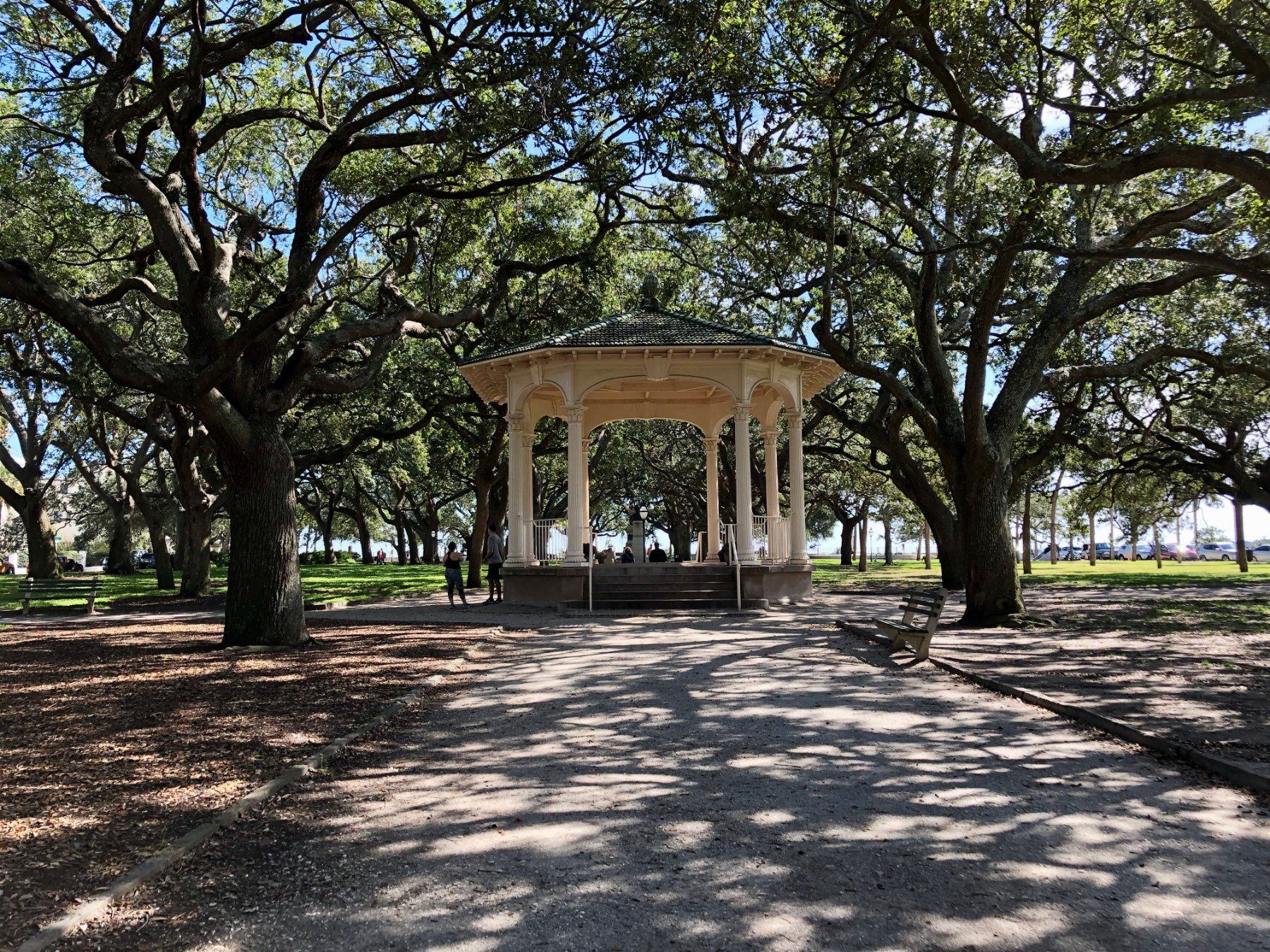
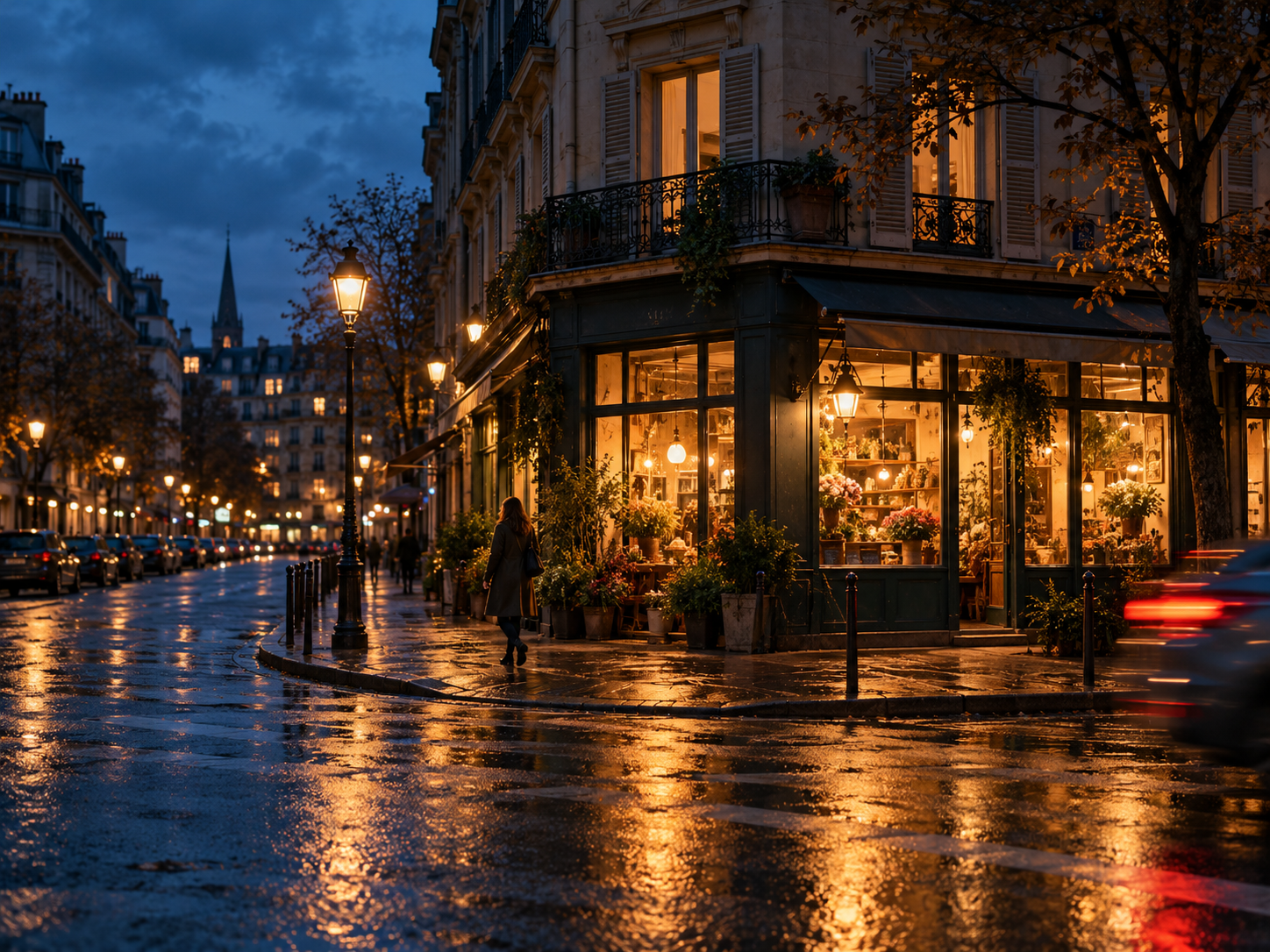
Walk from Charleston’s Waterfront Park to White Point Garden via Rainbow Row. Look for open harbor light, repeated facades, and the contrast between the oak canopy and the seawall.
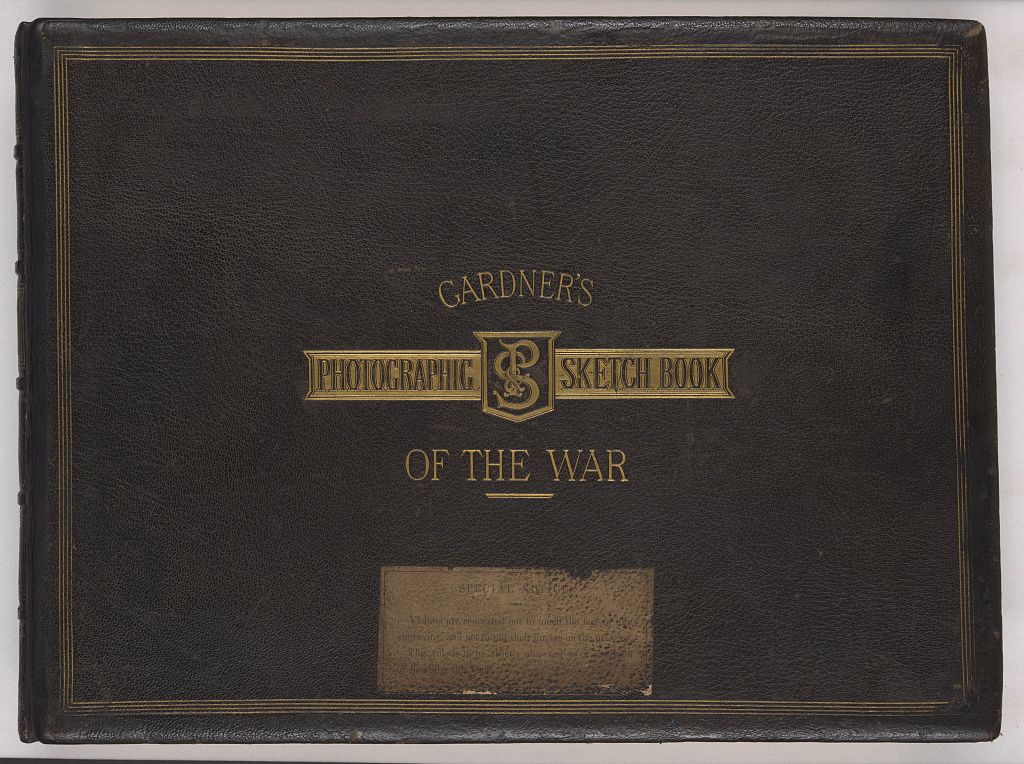
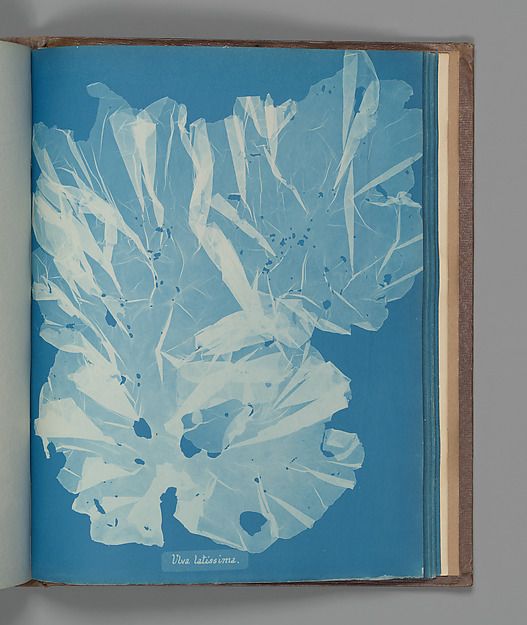
Read a photobook through its page turns, captions, scale and sequence. A practical looking exercise, with an 1866 book showing how text and photographs work together.
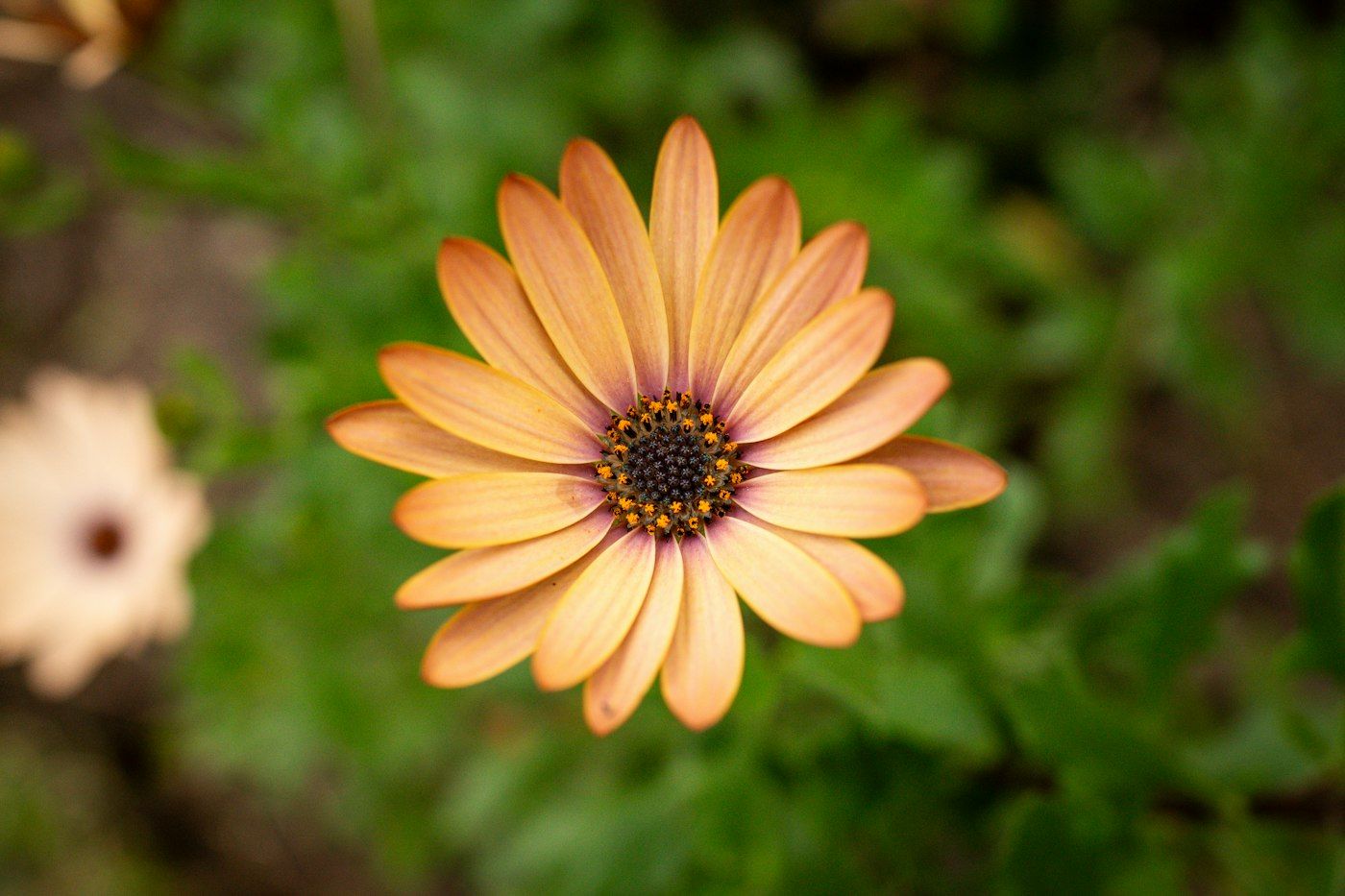
Depth of field describes the range that looks acceptably sharp. Learn how aperture, focus distance and background separation affect a picture, with a repeatable exercise.
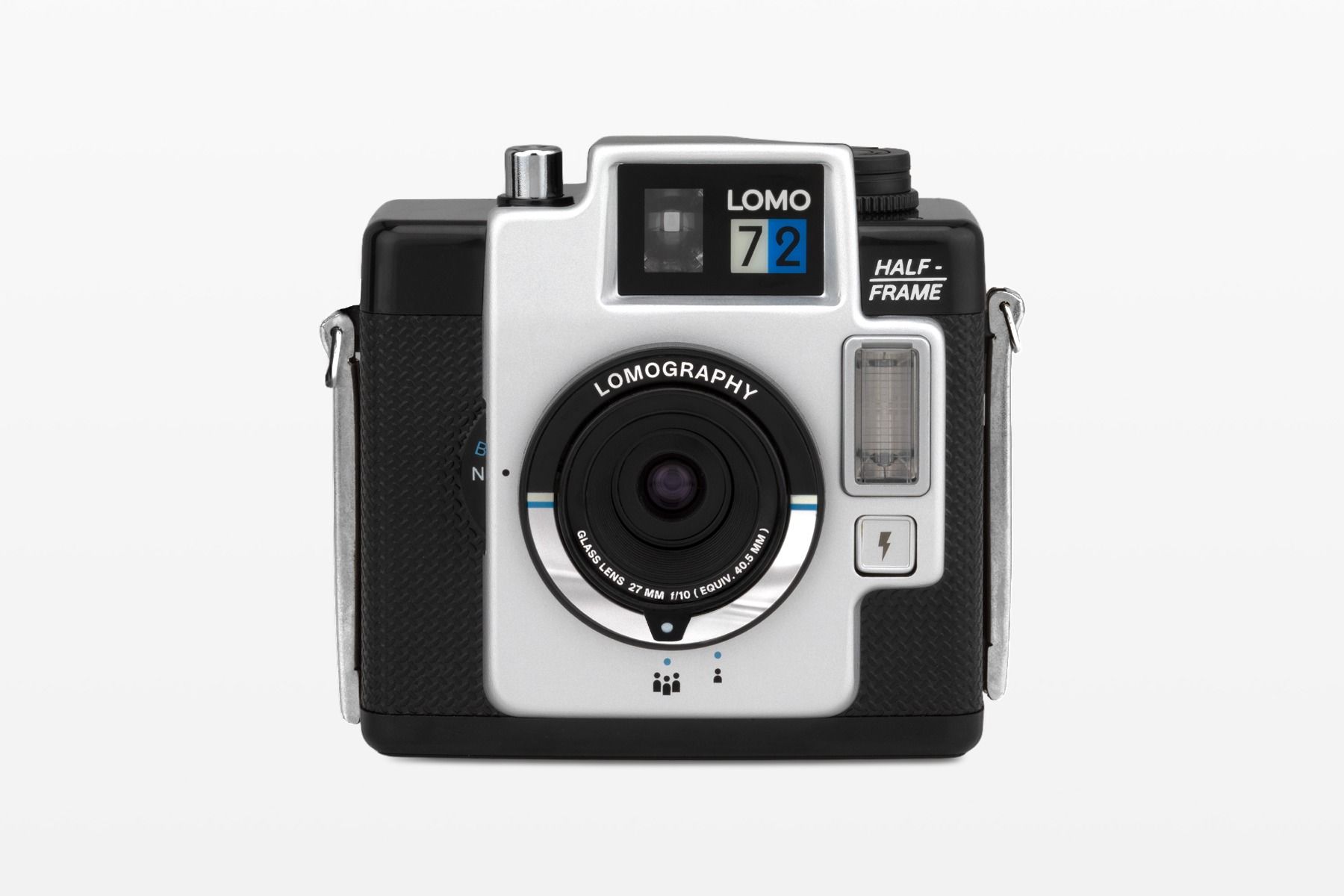
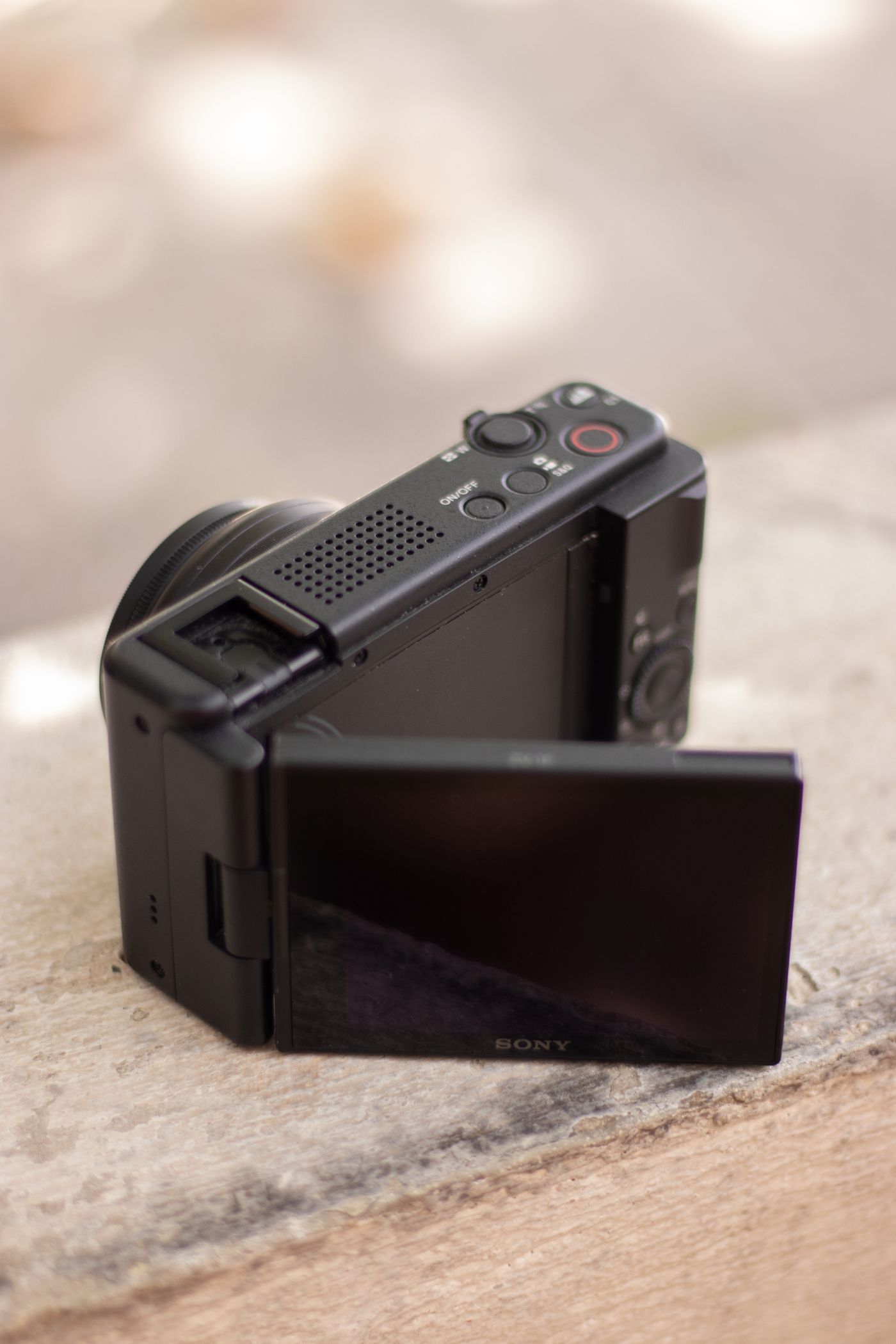
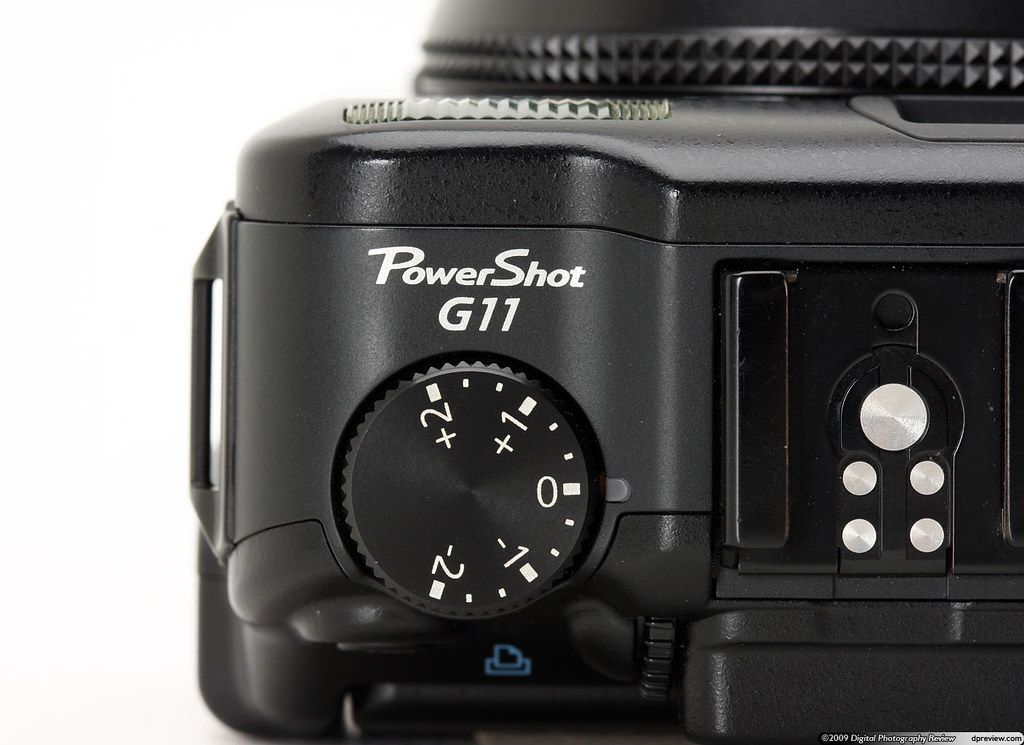
A separate camera needs a reason to leave the house. Compare framing, handling and the file workflow before assuming any compact is an upgrade from your phone.
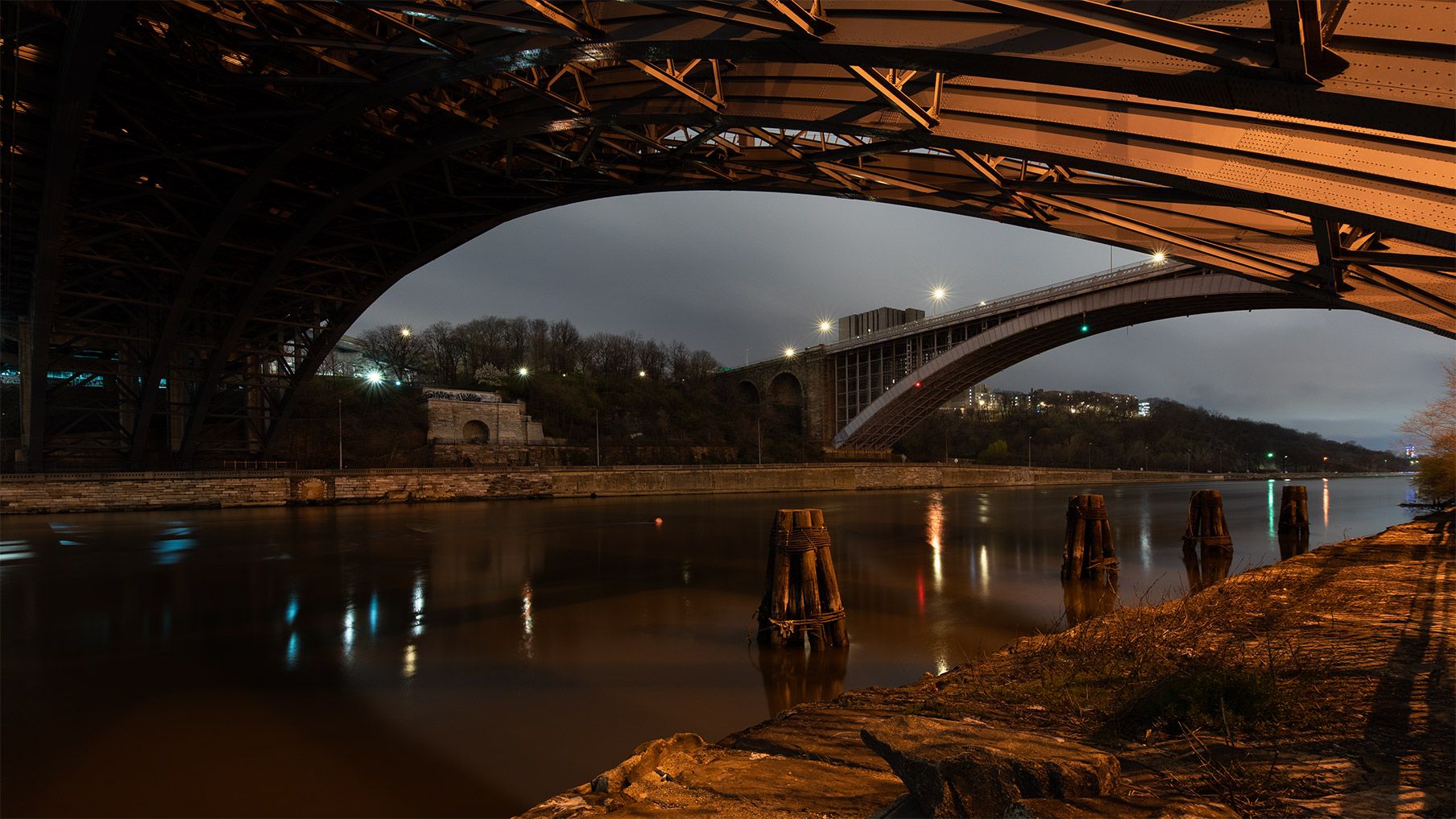
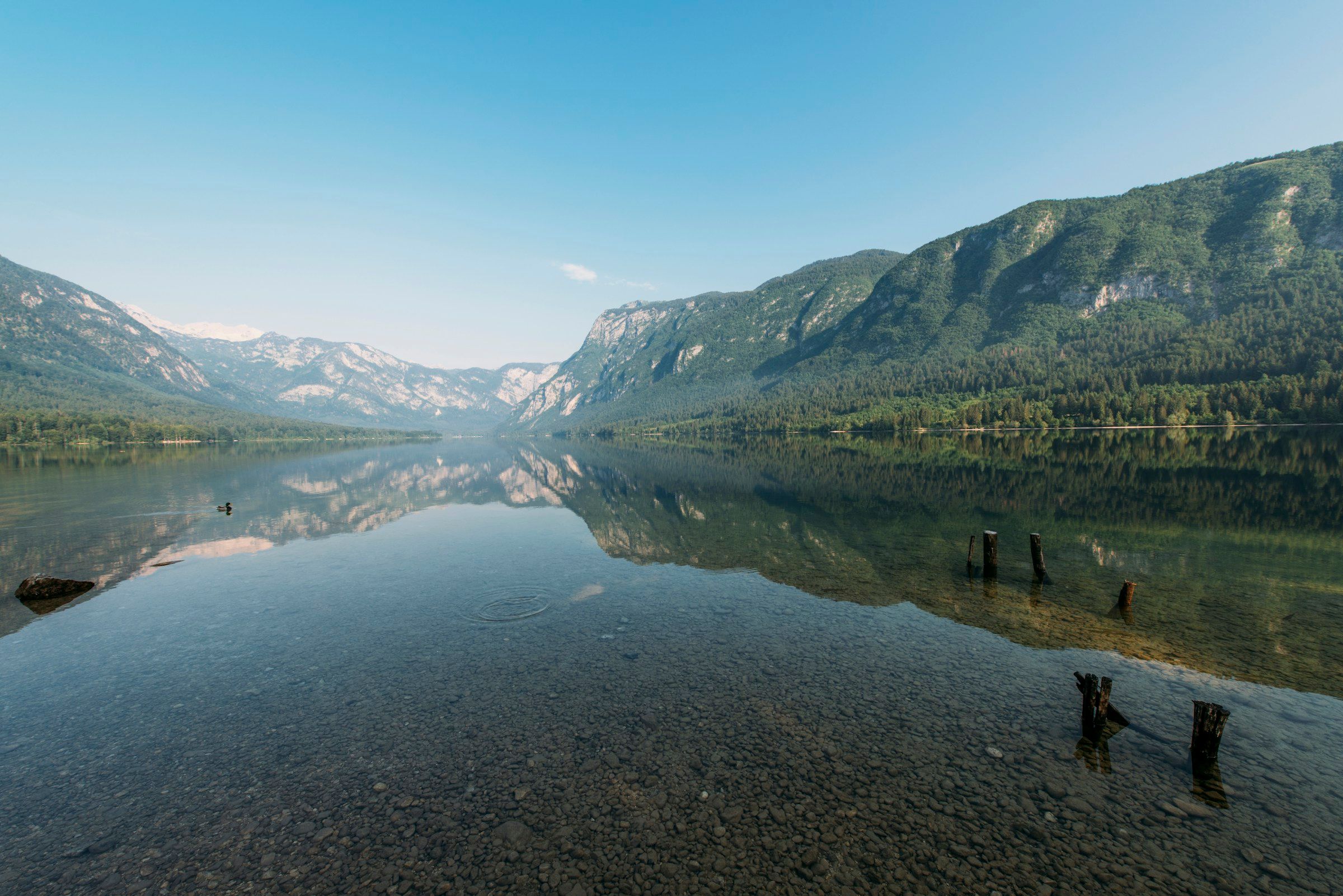
Find the viewpoint, check the light and work out how to get there. A practical scouting plan for a photo walk, a day trip or somewhere you have never visited.
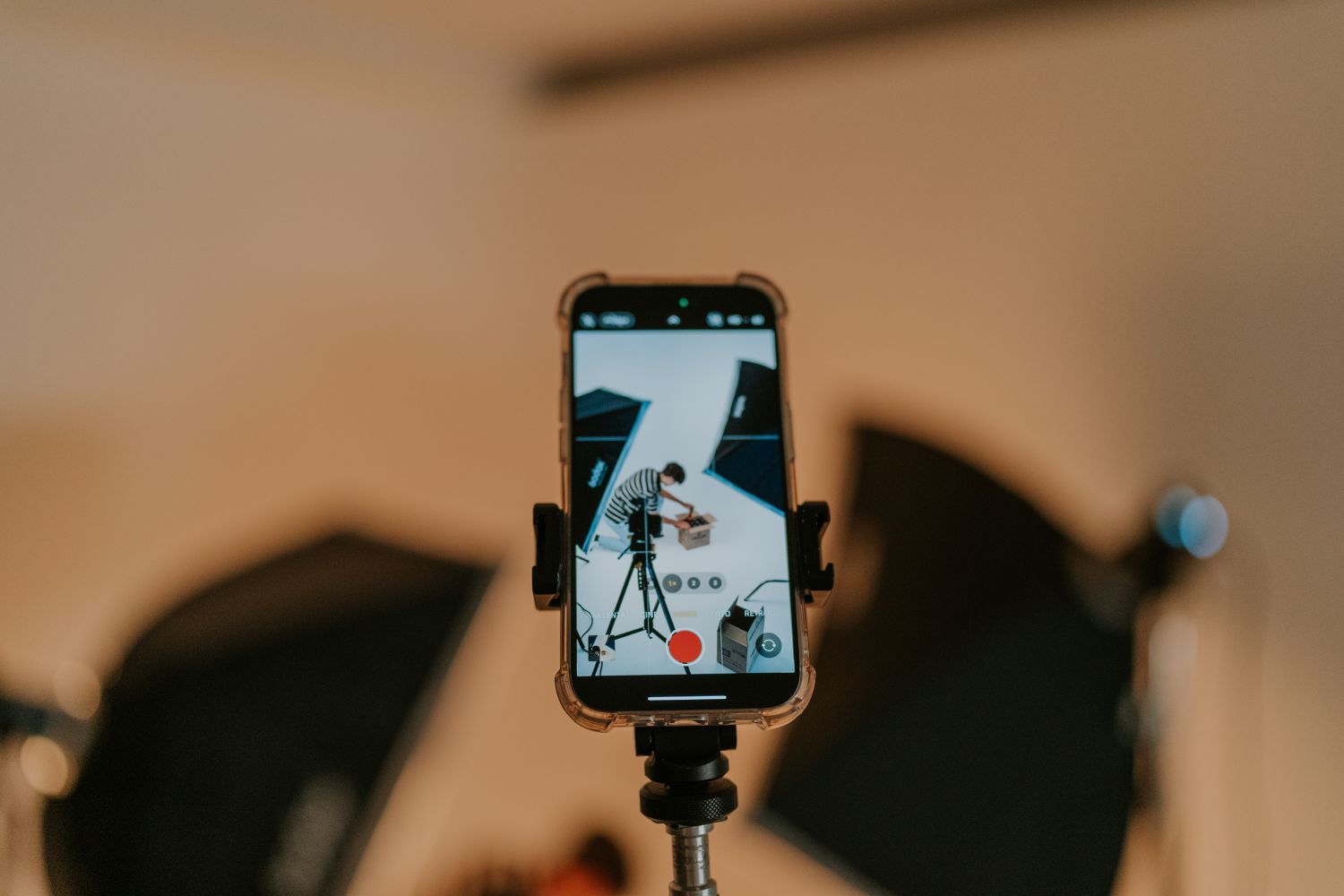
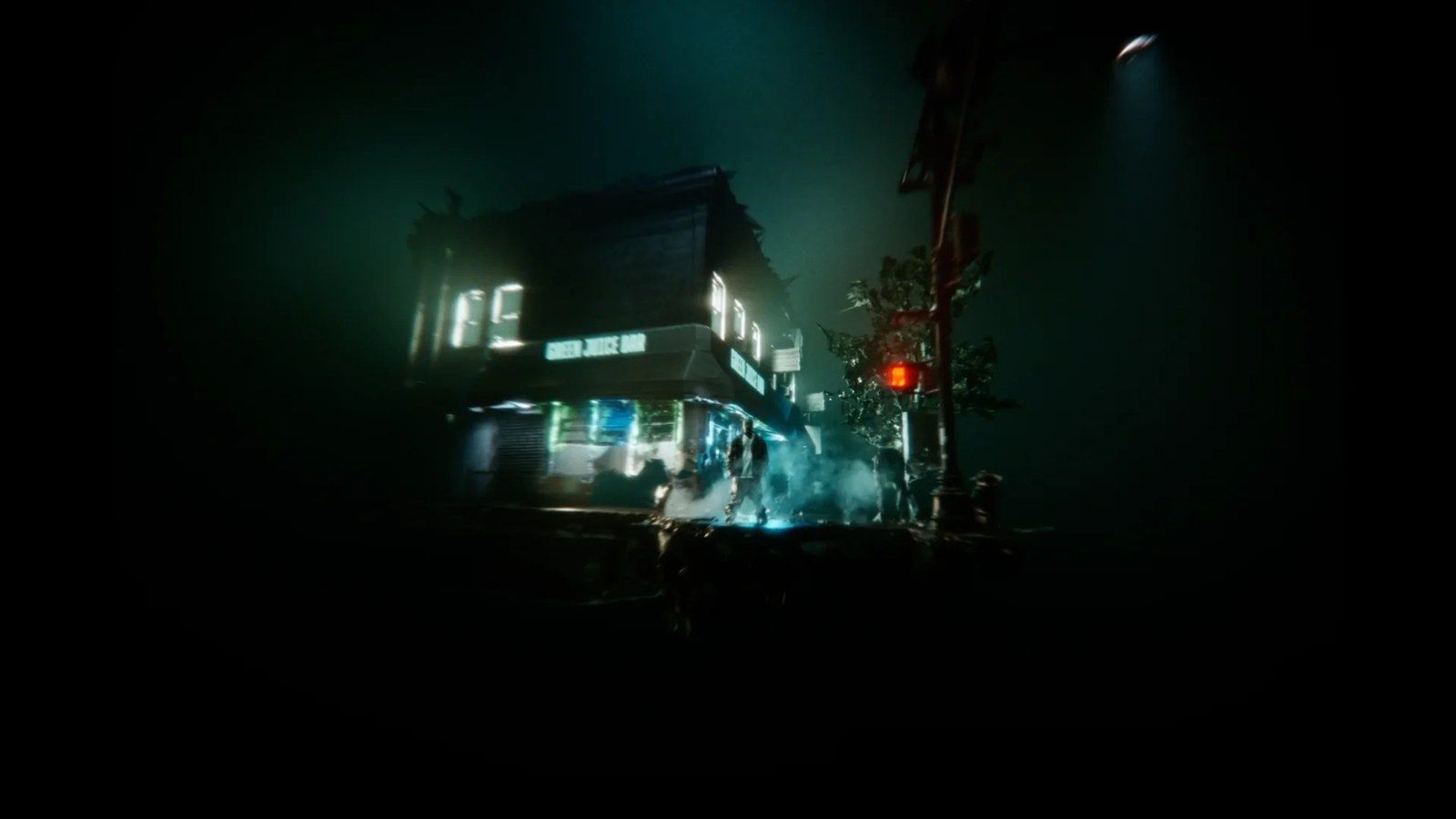
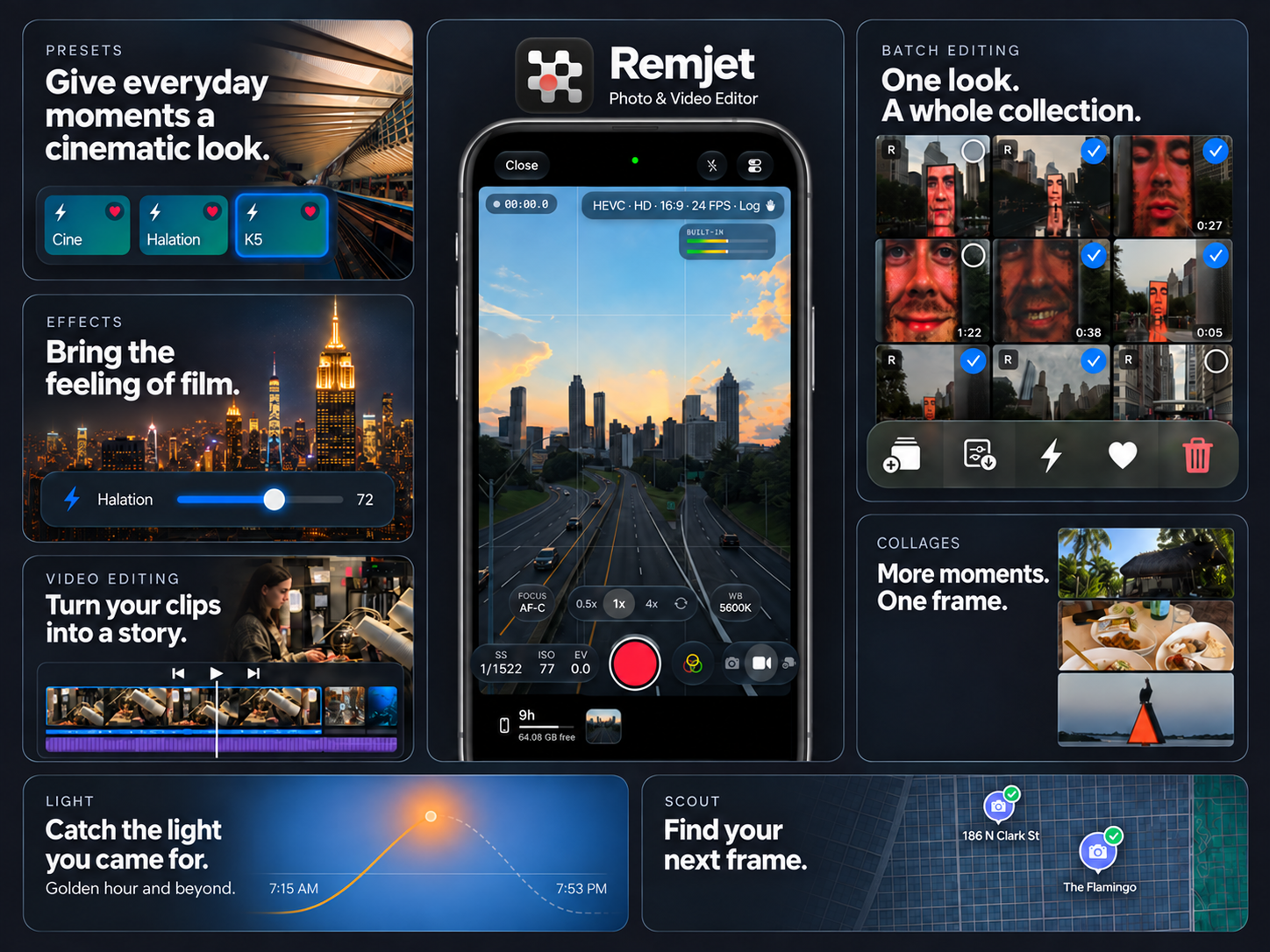
Explore Remjet 1.0 feature by feature: camera controls, RAW photos, video projects, color grading, audio, collages, exports, location scouting, and light planning.