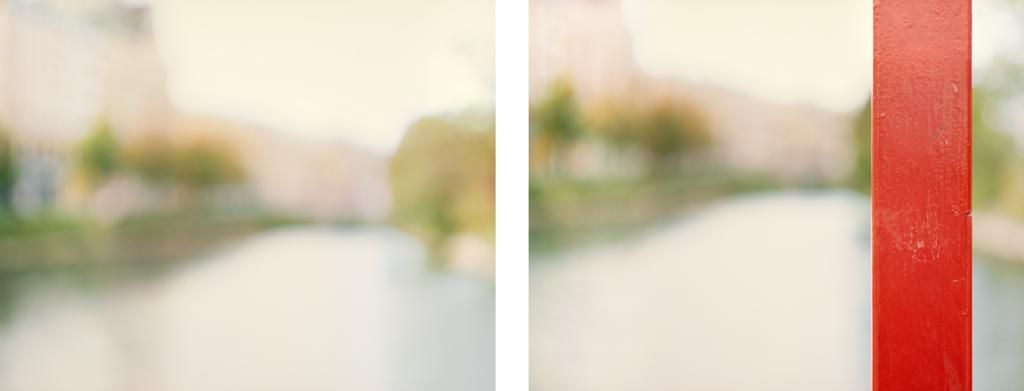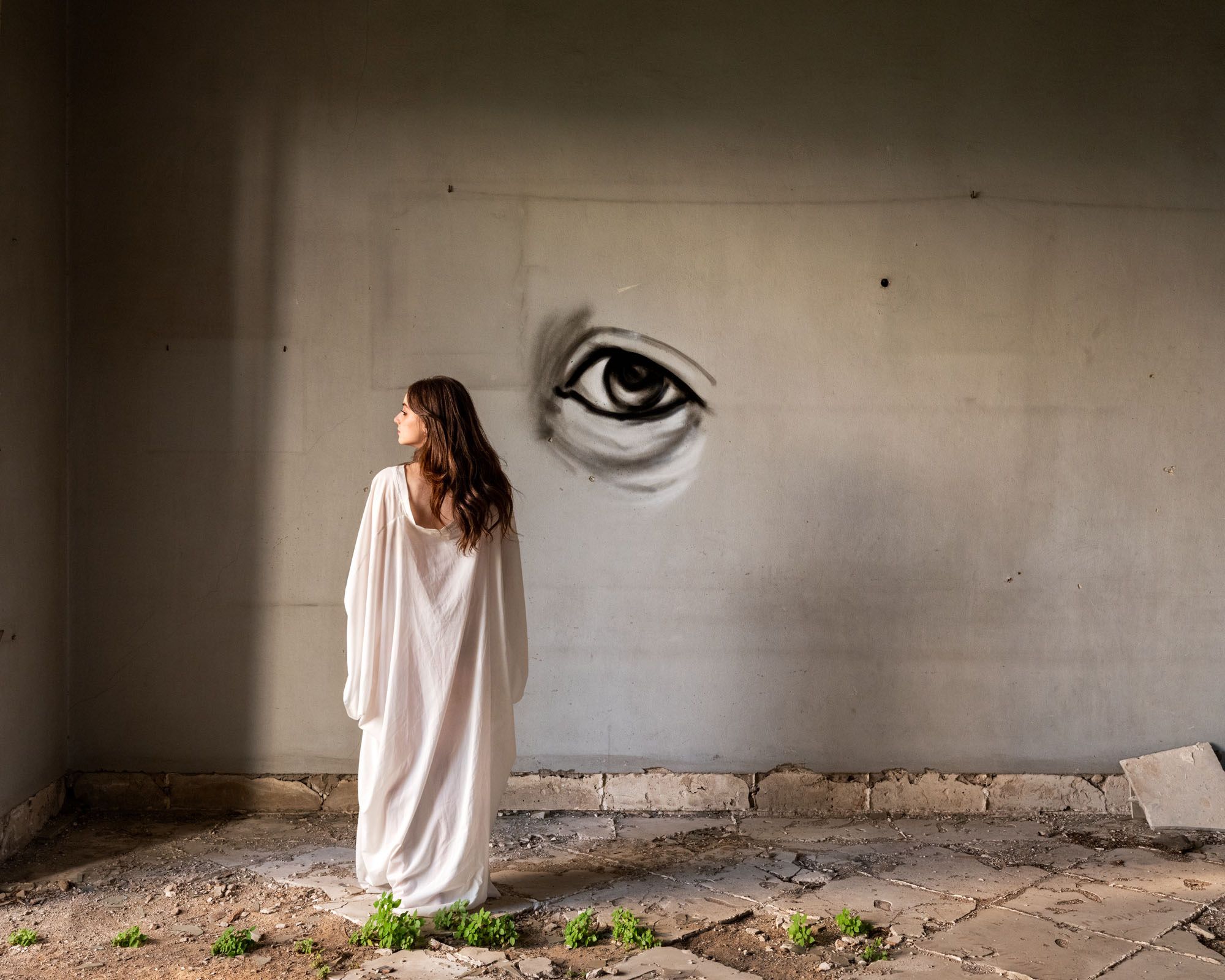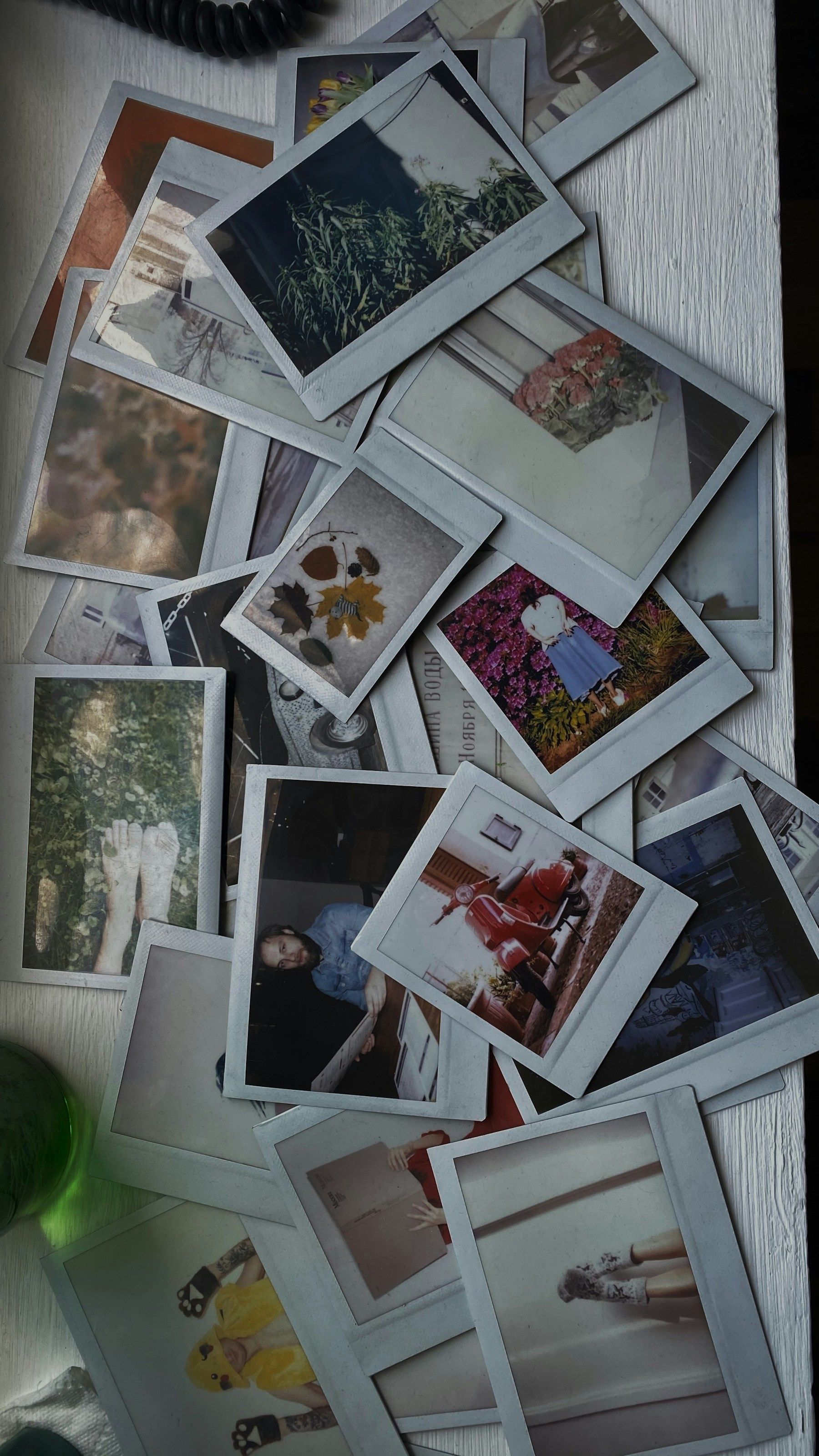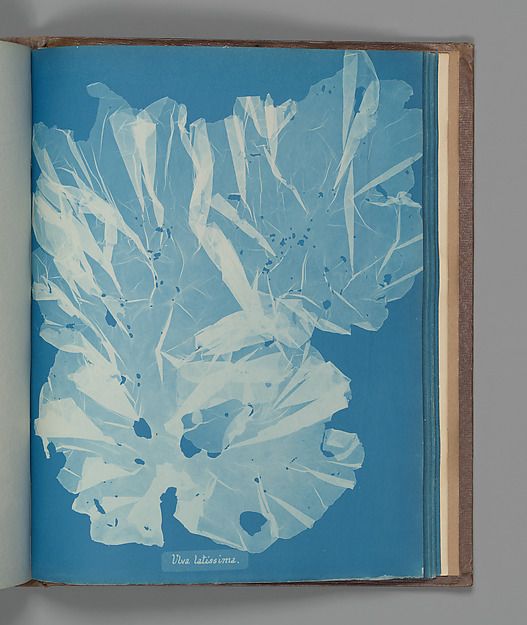
A photograph on a wall meets you as one object among others. A photograph in a book has a page before it, a page after it, a particular size and a moment when you turn away. Those choices are part of what you are reading. You do not need to know the book’s reputation before you can begin noticing them.
Read once before choosing a favorite
Go through the book from the beginning without trying to rank the pictures. Notice where you slow down, where a page feels abrupt and where something familiar returns. Keep a short note afterward: a recurring color, a kind of distance, a place, a gesture. Treat that note as your first reading, not the maker’s declared intention.
On a second pass, find two neighboring pictures and describe the relationship. Do they share a shape? Does one pull you close after a distant view? Does the next page answer a question or leave it open? “These feel connected” becomes more useful when you can name what makes the connection.
Look beyond the image rectangle
The gutter, the margin and the amount of paper around a photograph change how you meet it. A small picture can ask you to lean in. A picture running to the page edge can make the book feel less like a row of framed prints. Compare what is actually present; do not assume a large image is important simply because it is large.
A digital scan can preserve page order and visible layout, but it cannot reproduce the weight of the paper or the resistance of the binding. If you are reading online, say so when describing the experience. Do not pretend to have handled the original.
Read the caption as another voice
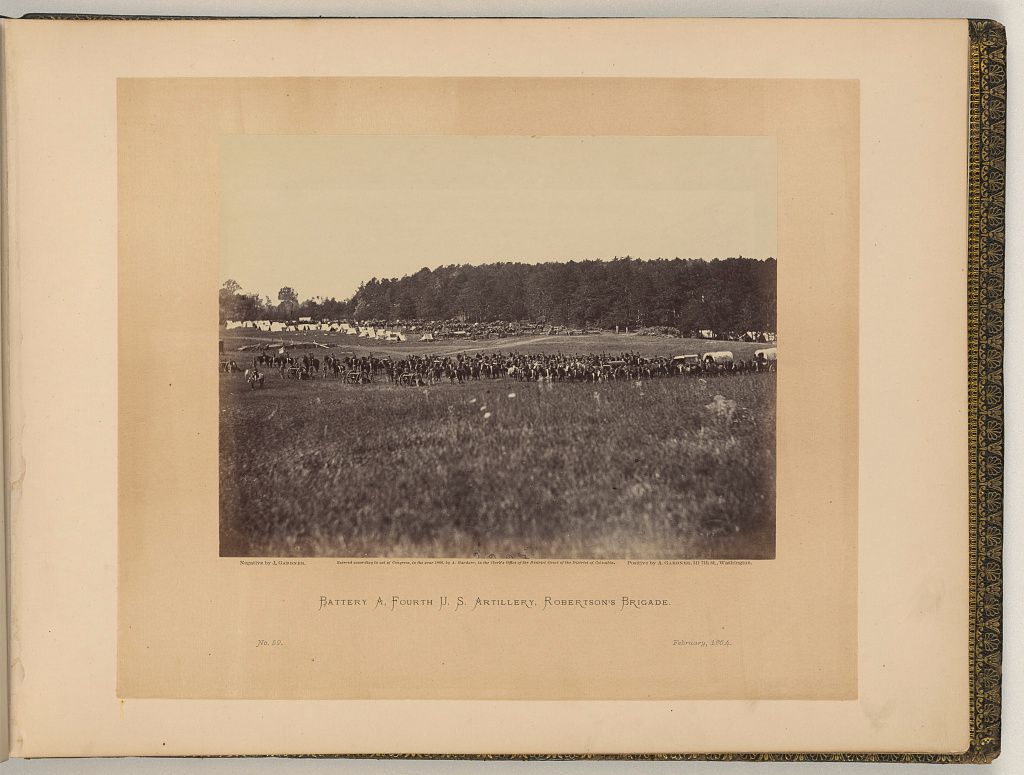
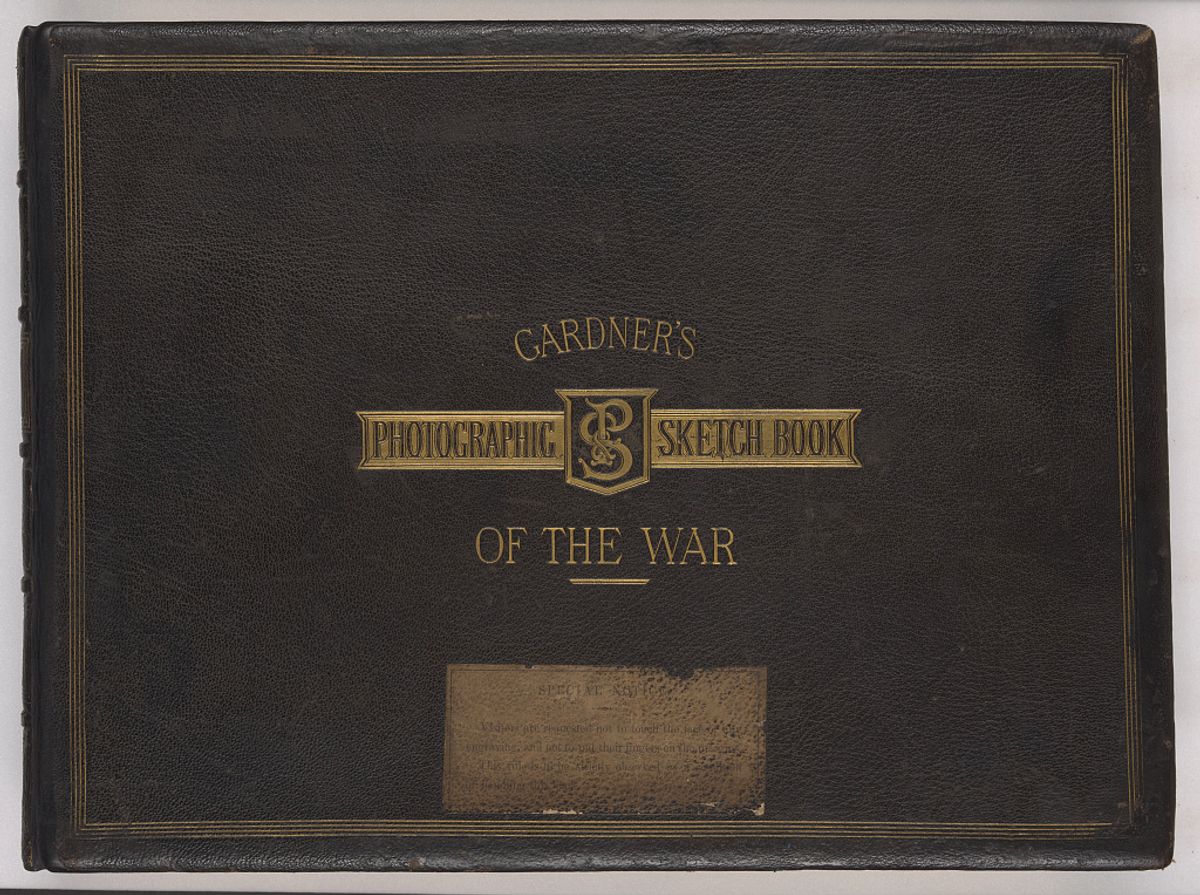
In the Library of Congress digitization of Gardner’s Photographic Sketch Book of the War, the photograph sits within a much larger page. A title, date and credit remain visible below it. The preceding scanned page supplies a longer account of Battery A. The book asks the photograph and the writing to carry different kinds of information.
Try looking at the image first and writing down only what you can see. Then read the accompanying text and underline, in your notes, what the words add. A caption can identify a subject, give a date or make a claim you could not establish from the photograph alone. Keeping those jobs separate helps you read historical books without treating their narration as a neutral window onto the past.
Return to the book’s own evidence
Check the title page, publication date, credits and edition information after your first reading. They can change the questions you bring back to the sequence. Two editions can place or reproduce photographs differently, so name the copy or digitization you used if you discuss a particular spread.
Finish with one precise observation instead of a verdict: a repeated doorway changes meaning after a portrait; a caption adds a name; a page turn withholds the view you expected. You can like the book and still question its choices. The point is to see what those choices do.
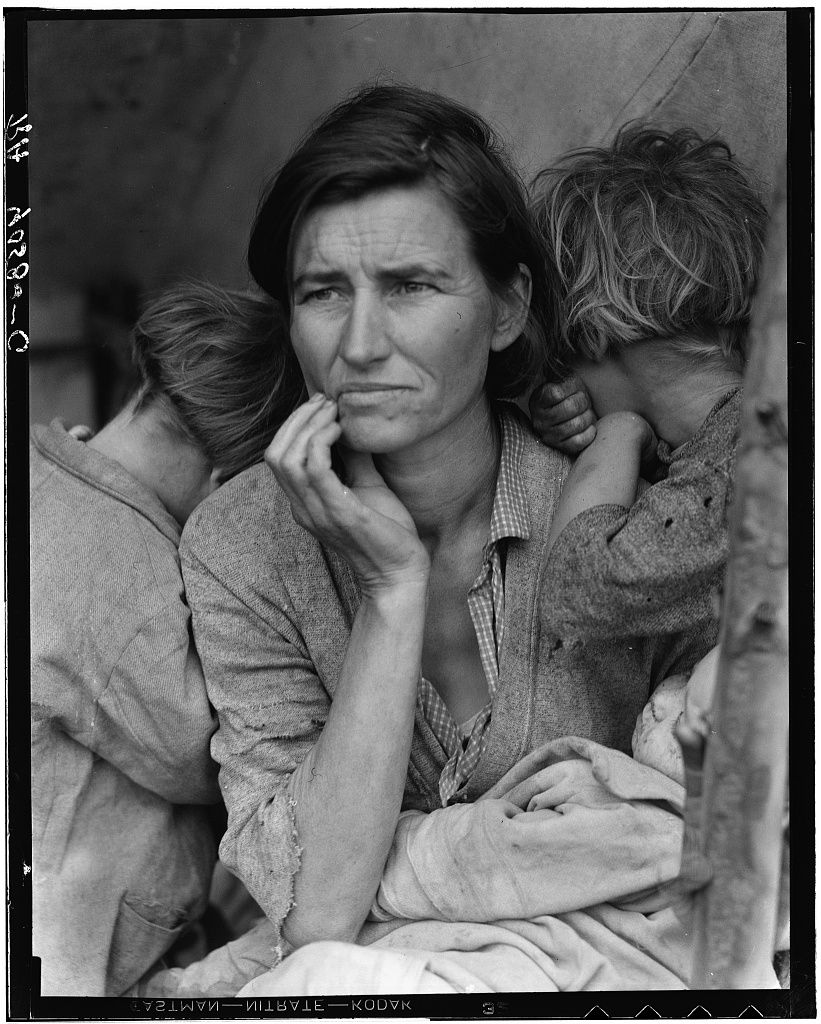
For another example of photographs gaining meaning through their neighbors, read our Migrant Mother essay. A famous single image can be only one part of a longer act of looking.