Fotorgear’s Campix Makes You Look Down to Take a Picture
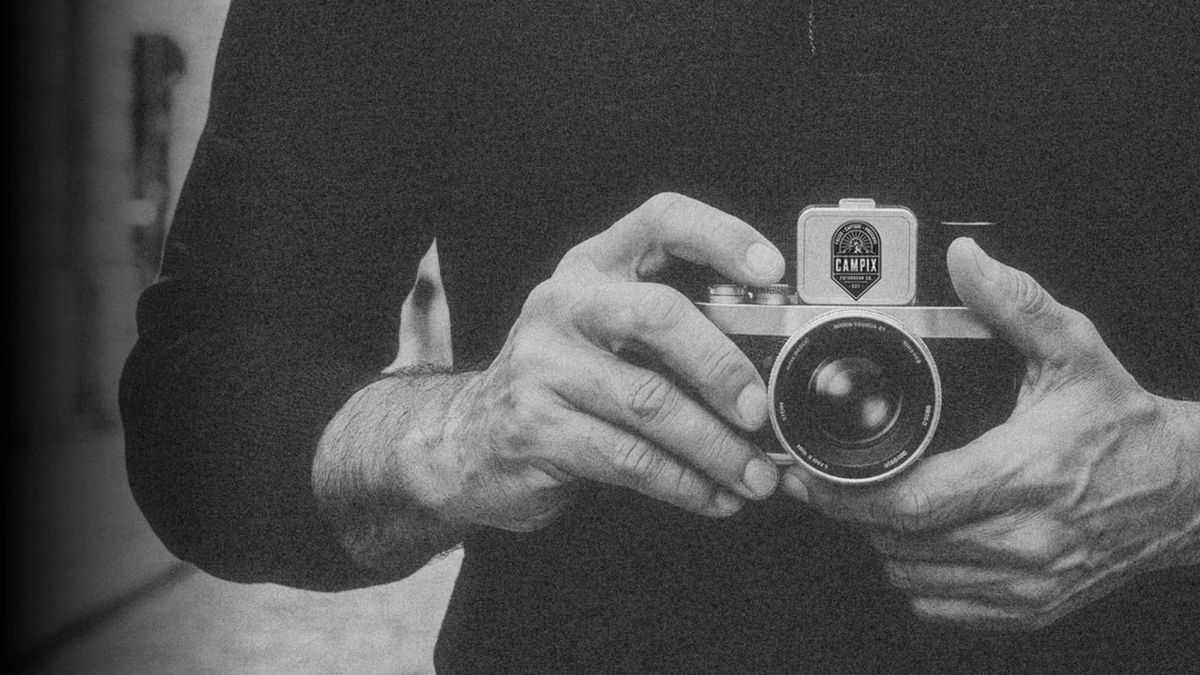
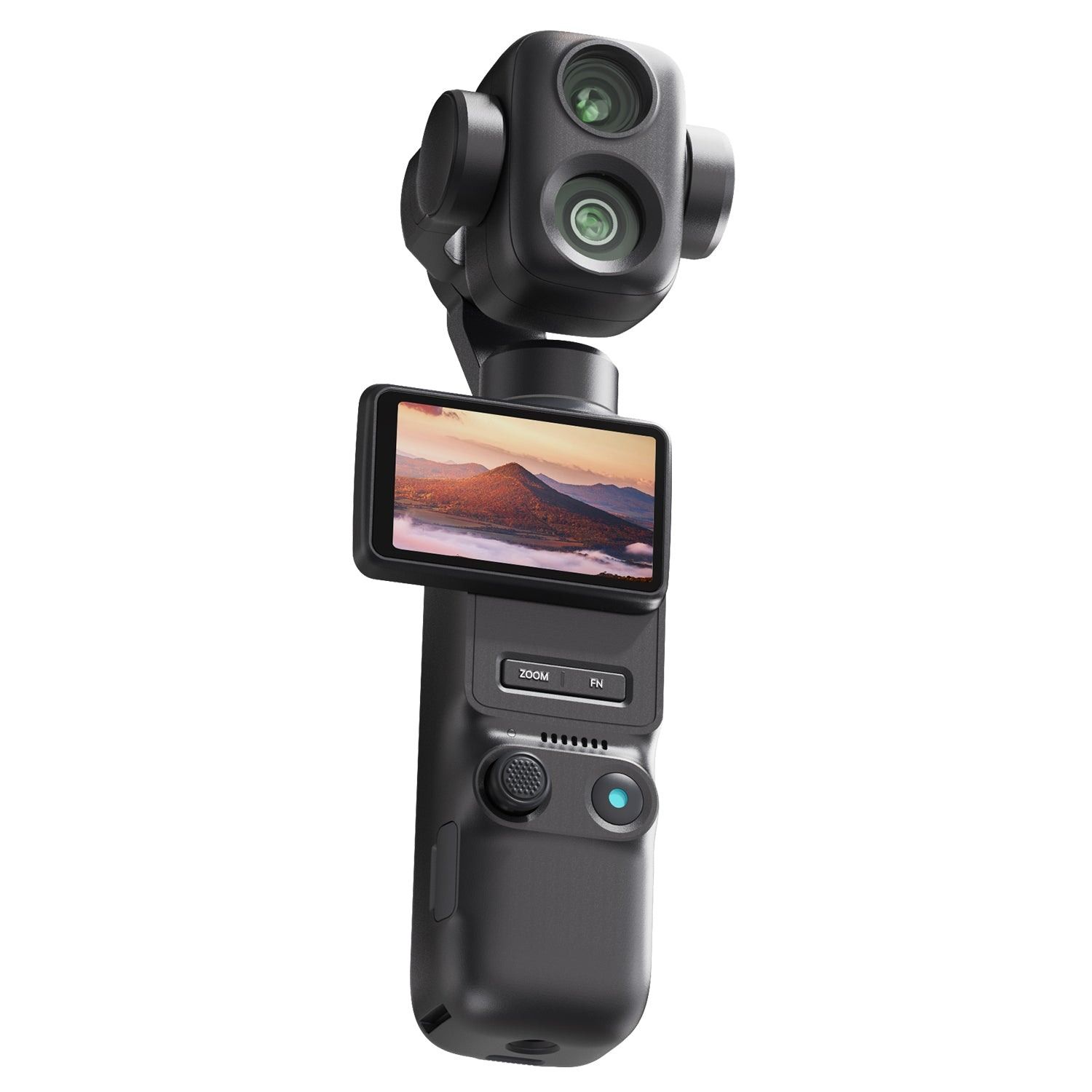
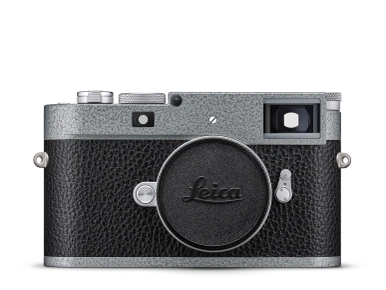
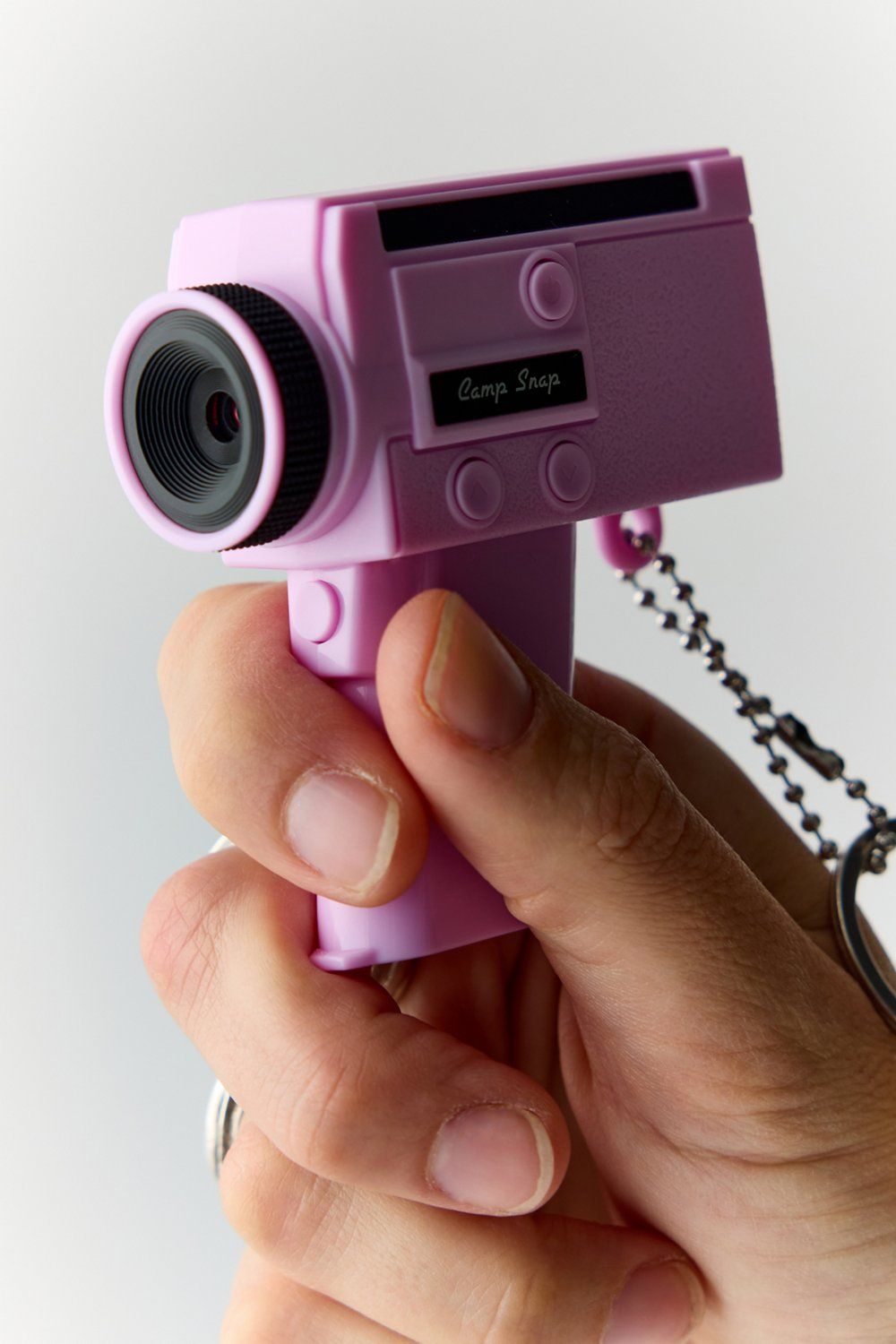
The digital compact puts a flip-up waist-level finder and a 36-frame roll at the center of shooting. It’s a Kickstarter campaign from Fotorgear.
Source: Fotorgear
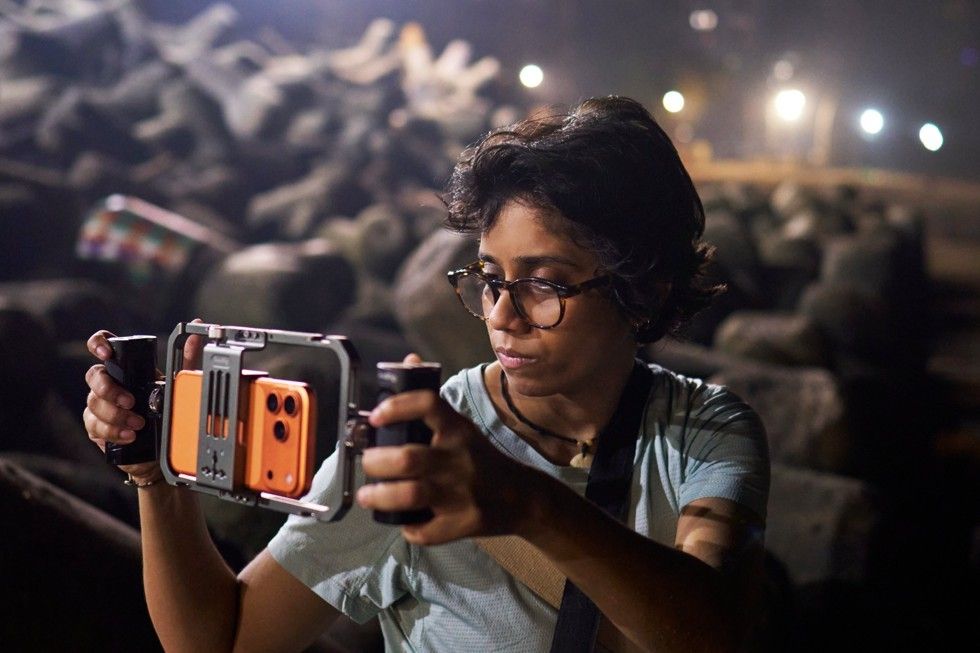
Fotorgear’s Campix is a small digital camera you compose with by looking down. Flip open its waist-level finder and the camera stays below your eyes while you frame the shot. For a photograph on the street, that changes where the lens sits and how you stand while composing. It also makes a low viewpoint easier to see without bringing the camera up to your face.
How a 36-frame roll works
The camera has a physical advance dial and a digital roll that holds 36 shots. Fotorgear says you choose one look for the roll before shooting. The company also describes RAW capture and an app for revisiting the look later. The shooting constraint is about how you work through the frames, even when you have a RAW file to revisit.
What the campaign is offering
The campaign describes support for selected Fotorgear T-mount lenses. Check the exact lens against the campaign FAQ if you own other gear from the company. The camera is offered through crowdfunding. Check the live pledge tier, currency and delivery estimate before backing it.
Something worth opening.
Photography, film, technology, art and culture. Get new stories from Remjet Magazine in your inbox.
Follow the St. Petersburg waterfront from Spa Beach to the First Flight sculpture and the Fishing Deck. Each stop gives you a different way to frame Tampa Bay.
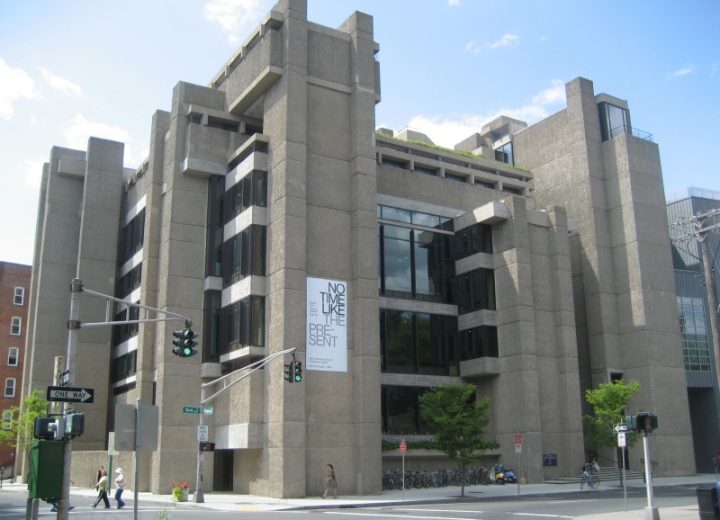
The ridges of Rudolph Hall cast narrow shadows. The Kimbell’s smooth concrete vaults spread daylight. Two buildings give photographers different ways to frame light.
Check the museum’s visitor policy, then look for signs in the exhibition. A handheld photo, a tripod and a planned shoot can each follow different rules.
Walk from Charleston’s Waterfront Park to White Point Garden via Rainbow Row. Look for open harbor light, repeated facades, and the contrast between the oak canopy and the seawall.
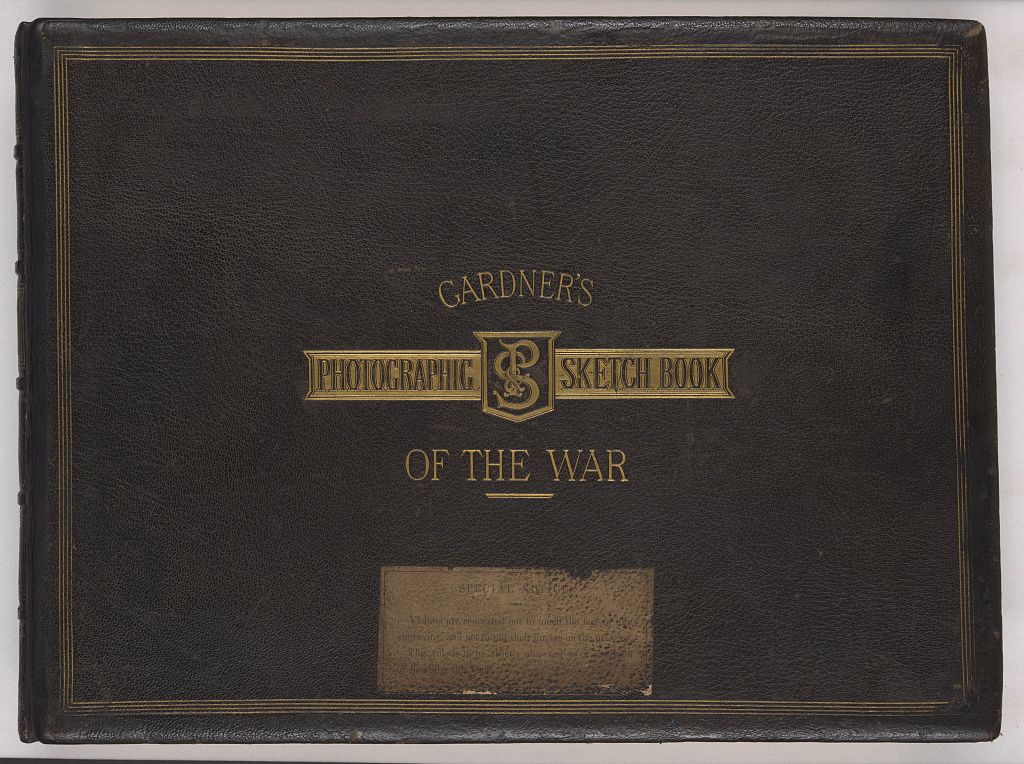
Read a photobook through its page turns, captions, scale and sequence. A practical looking exercise, with an 1866 book showing how text and photographs work together.
Depth of field describes the range that looks acceptably sharp. Learn how aperture, focus distance and background separation affect a picture, with a repeatable exercise.
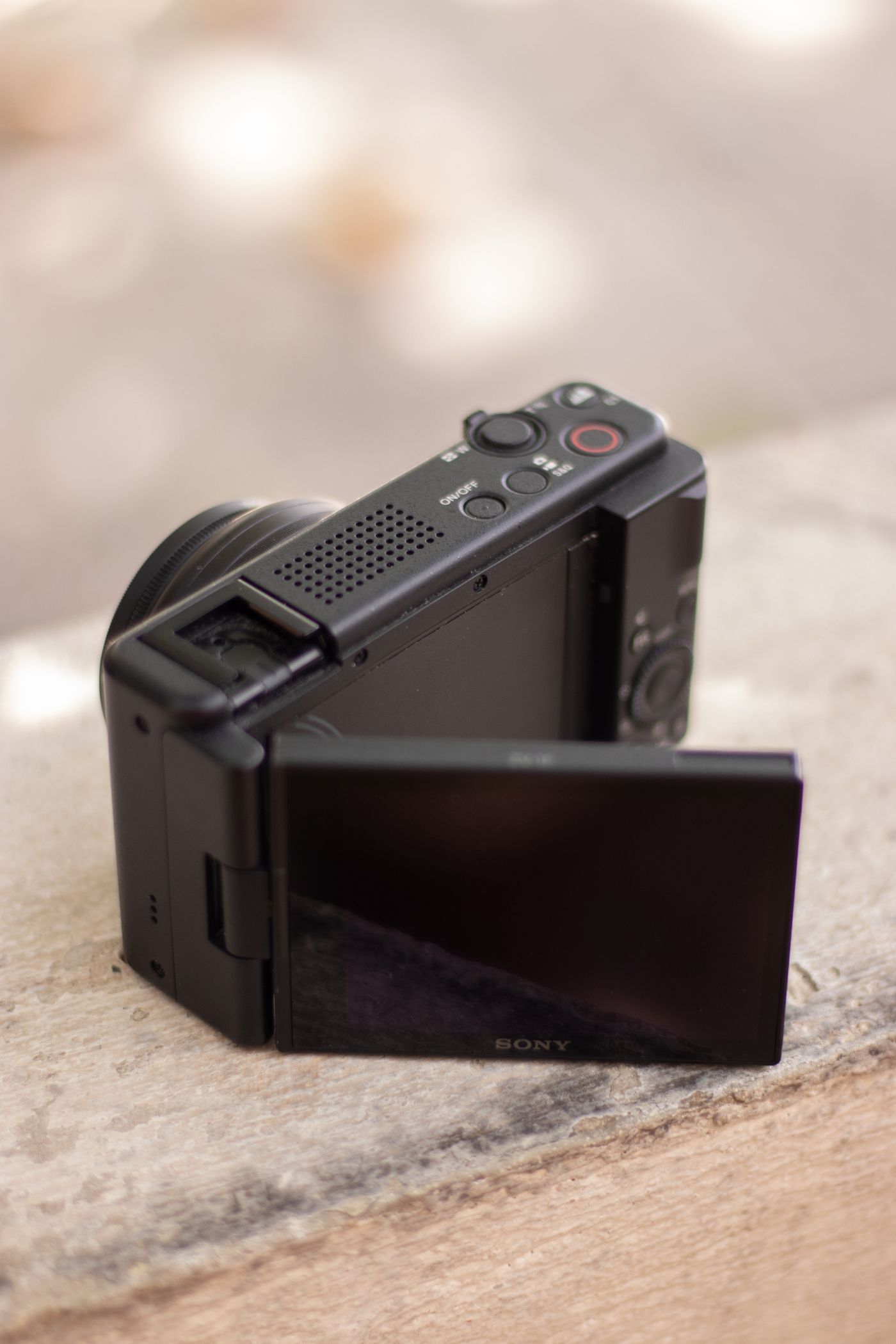
A separate camera needs a reason to leave the house. Compare framing, handling and the file workflow before assuming any compact is an upgrade from your phone.
Street life, railway stations and an imagined New York reveal how postcards could picture a place, sell an idea and change from one printing to the next.
Find the viewpoint, check the light and work out how to get there. A practical scouting plan for a photo walk, a day trip or somewhere you have never visited.
Explore Remjet 1.0 feature by feature: camera controls, RAW photos, video projects, color grading, audio, collages, exports, location scouting, and light planning.