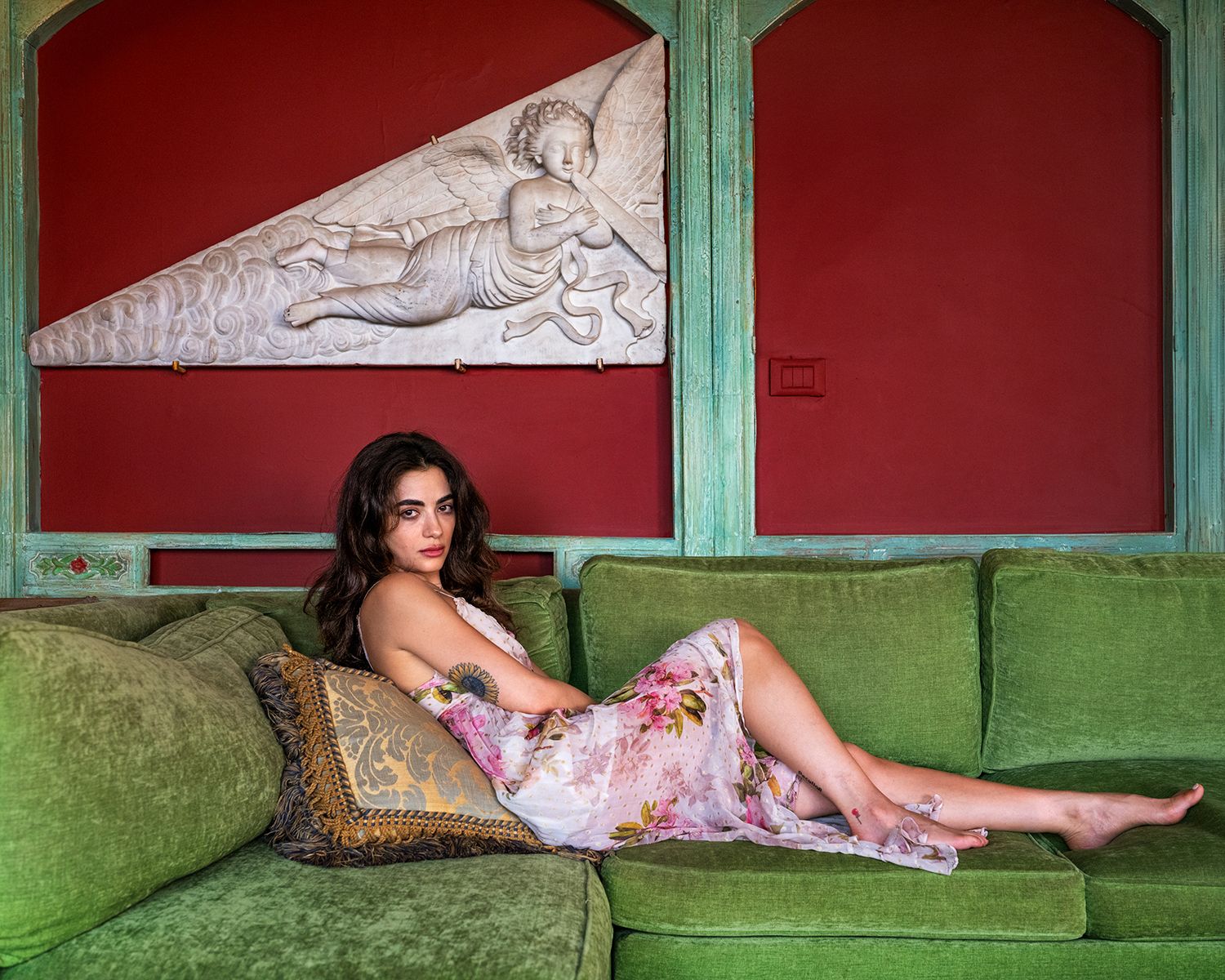
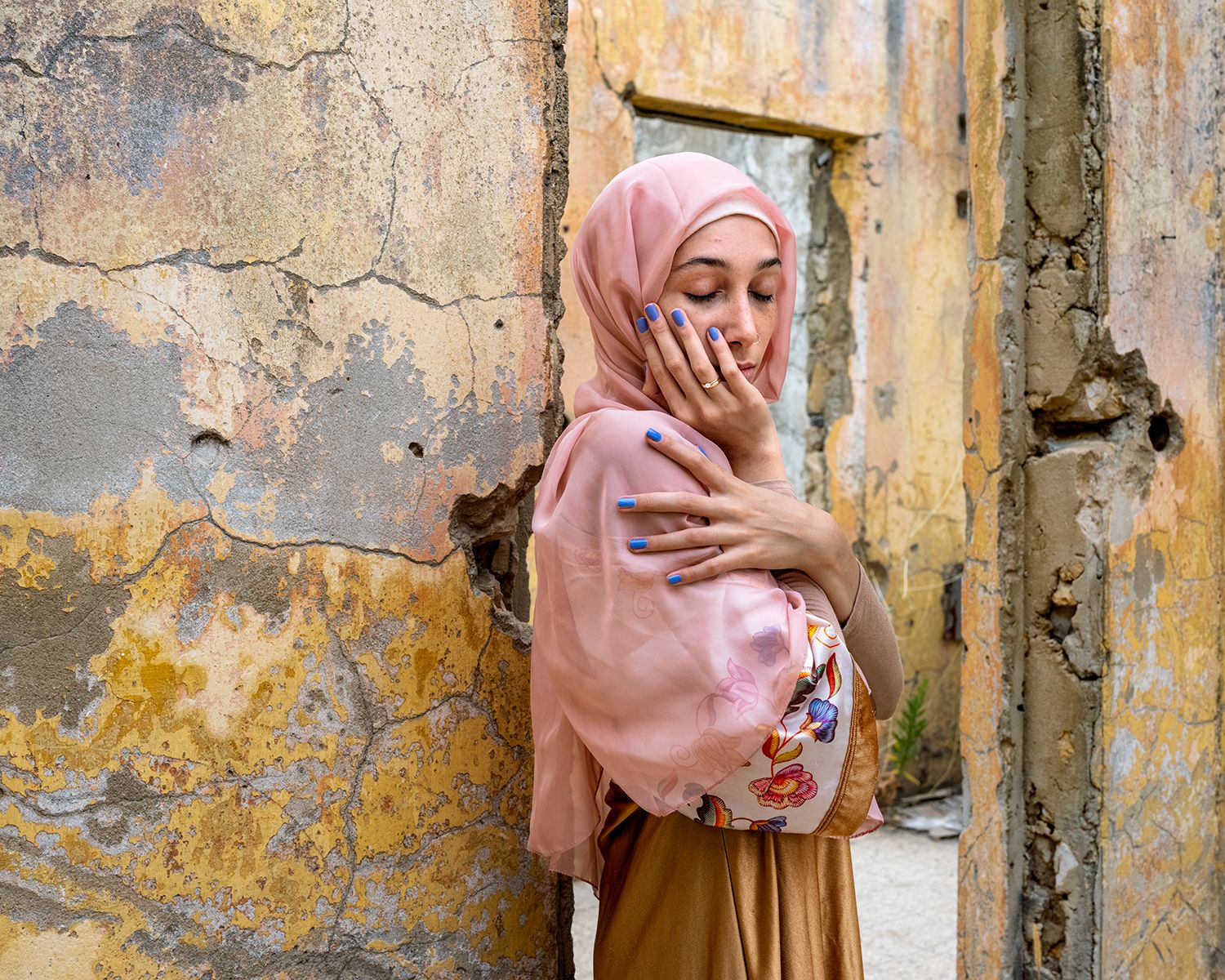
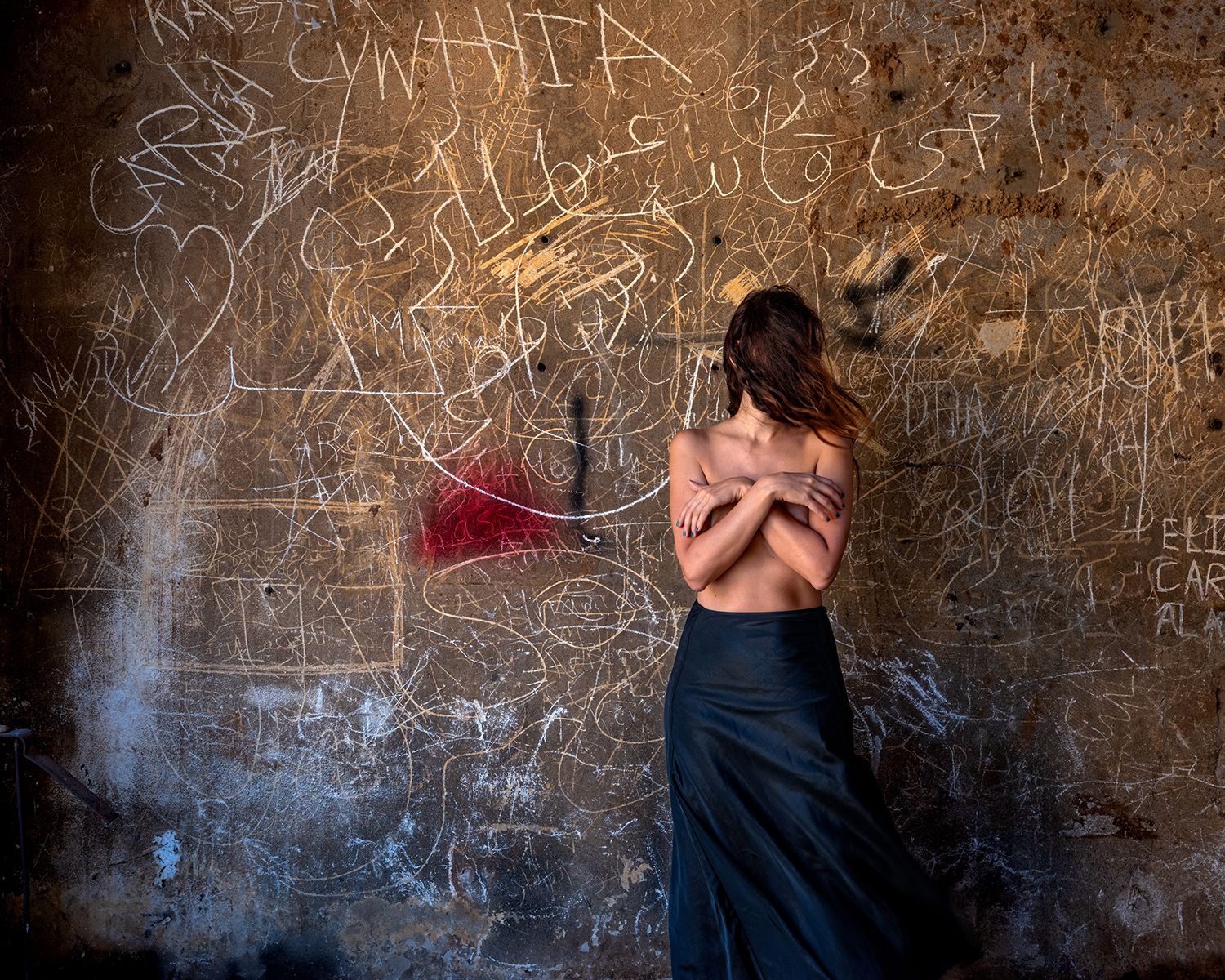
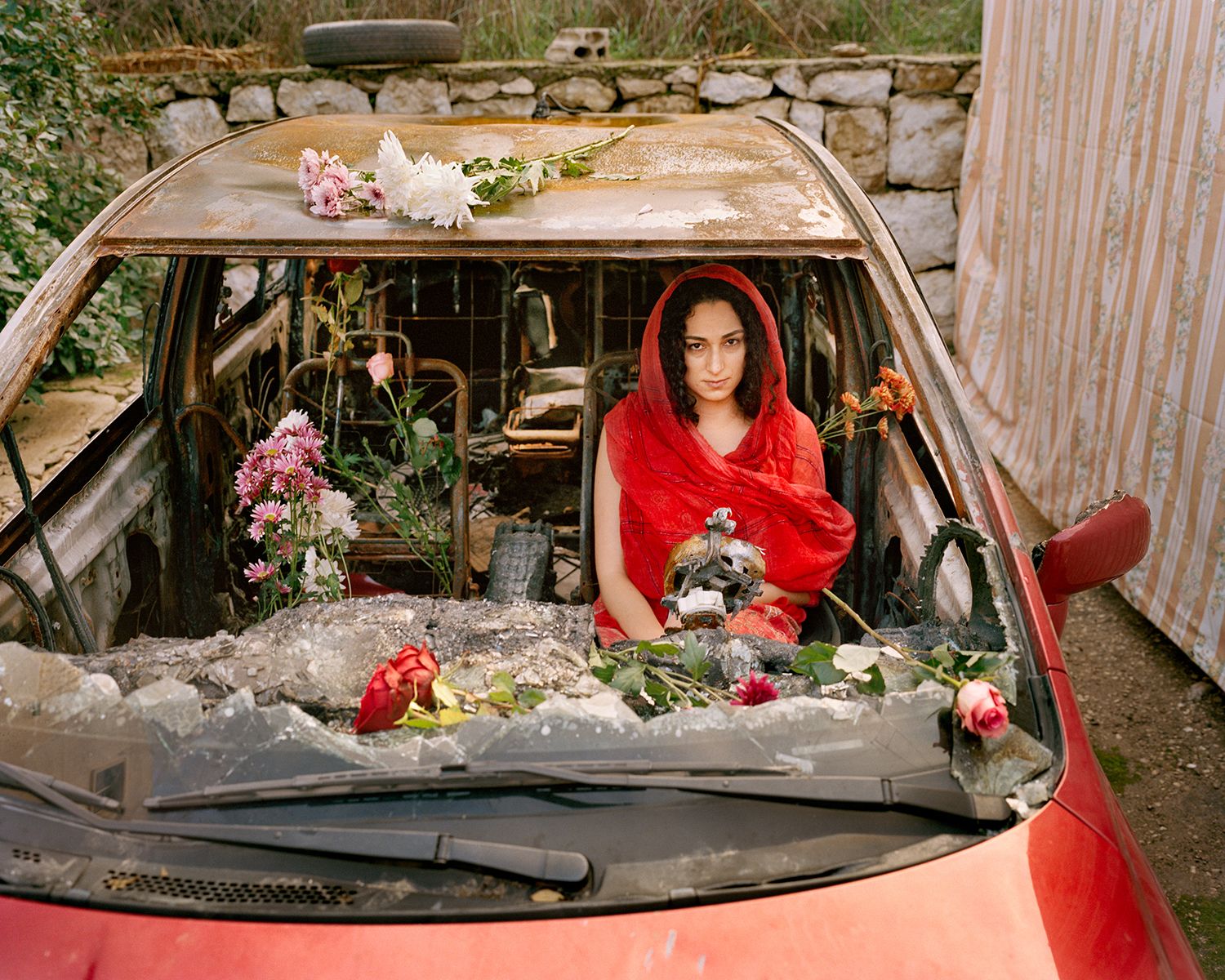
Rania Matar’s portraits let the women decide how to inhabit the frame
In Where Do I Go?, the Lebanese-born photographer uses rooms, streets and a shuttered theater to make portraits with the women who know those places.
Photo: Rania Matar
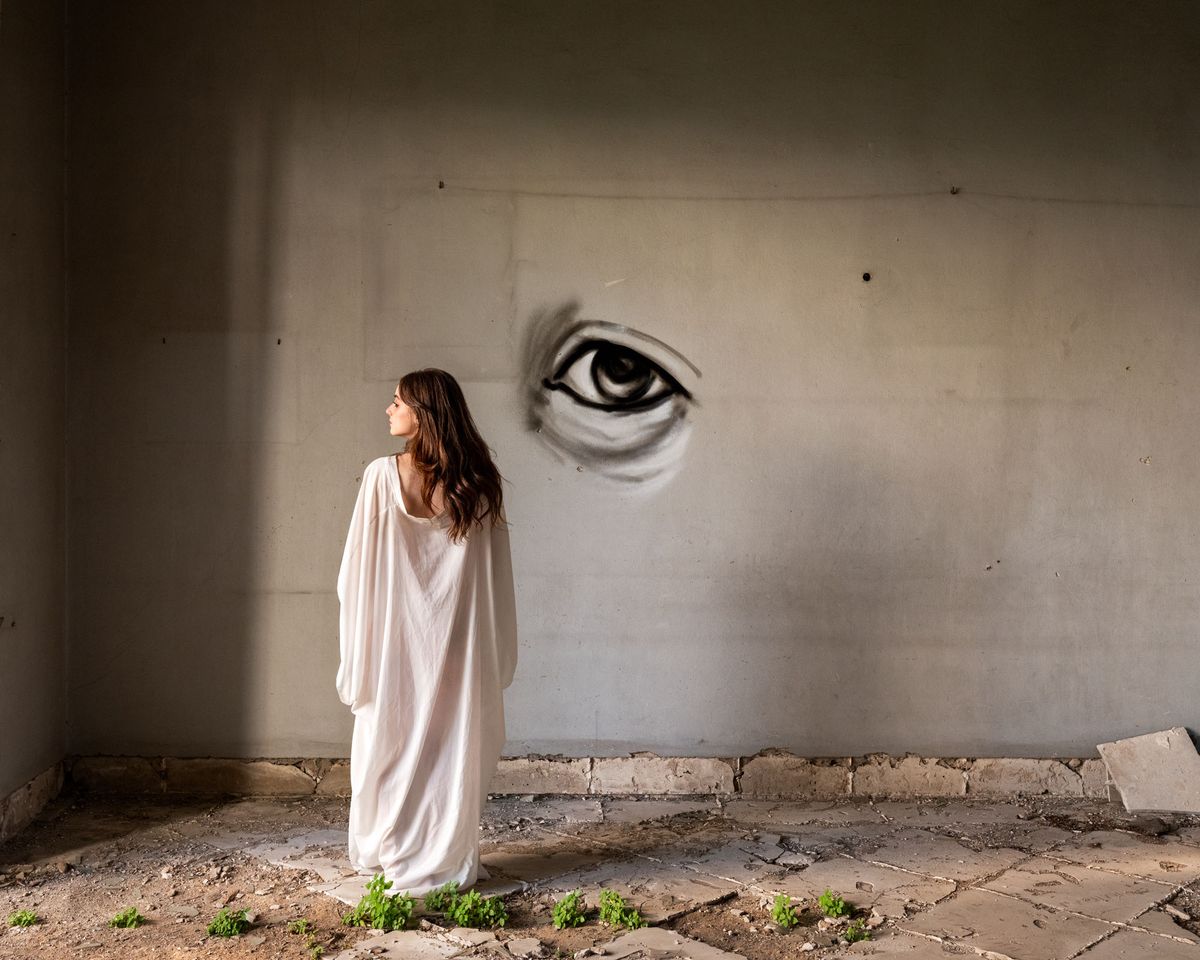
In Rania Matar’s portrait of Aya, a painted eye on a Beirut wall is almost as arresting as the person standing beside it. Aya’s white dress pulls the eye back across the bare room. The photograph keeps both presences in play. That balance between a person and the place she occupies runs through Matar’s book Where Do I Go?
Give the place room in the portrait
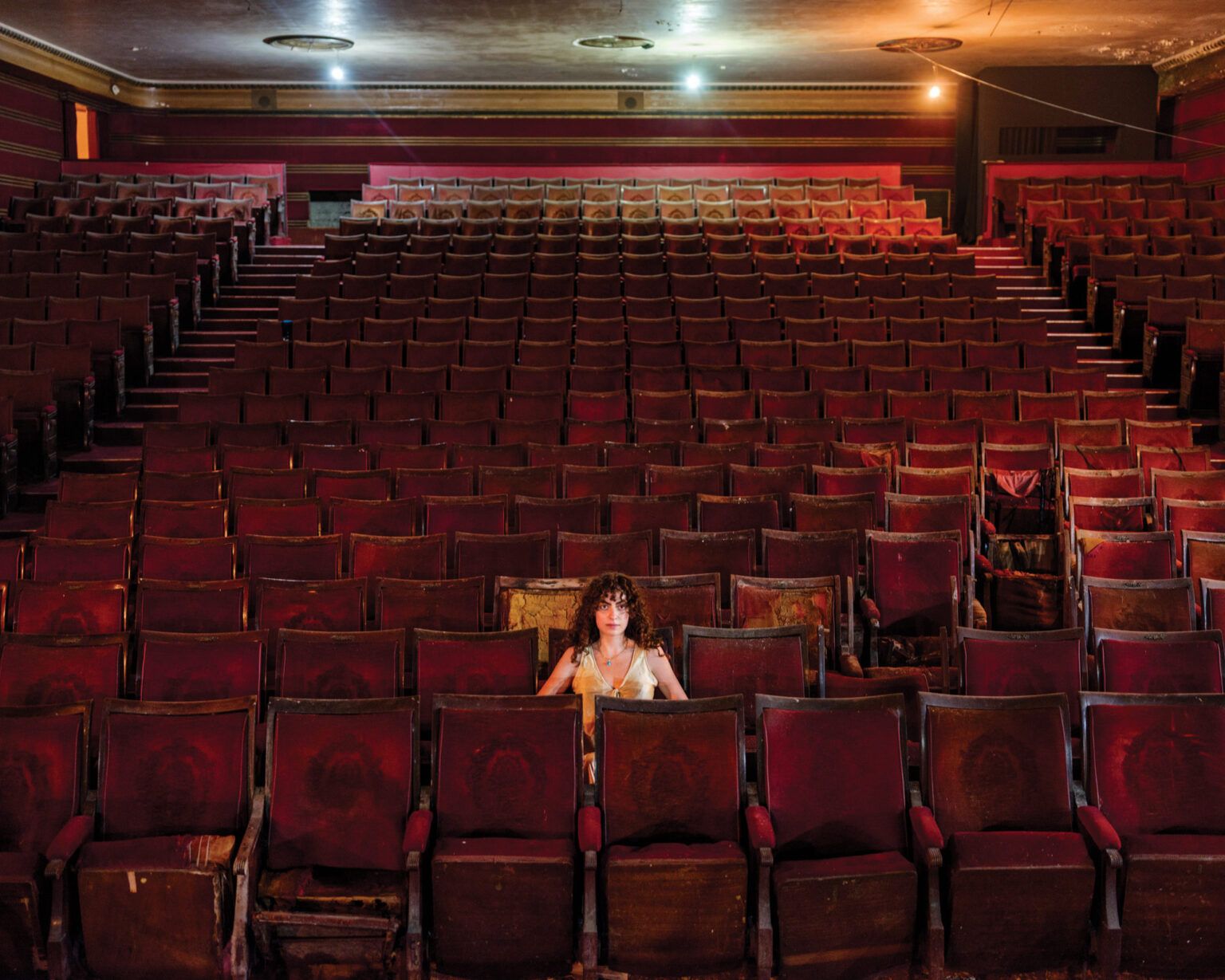
In Matar’s picture of Rhea S. at Beirut’s Piccadilly Theater, red seats take up much of the frame. Rhea sits low in the composition, almost hidden among the rows. Giving the room so much space changes the way you read her scale and posture. The setting carries part of the story.
Photo: Rania Matar
A book built through collaboration
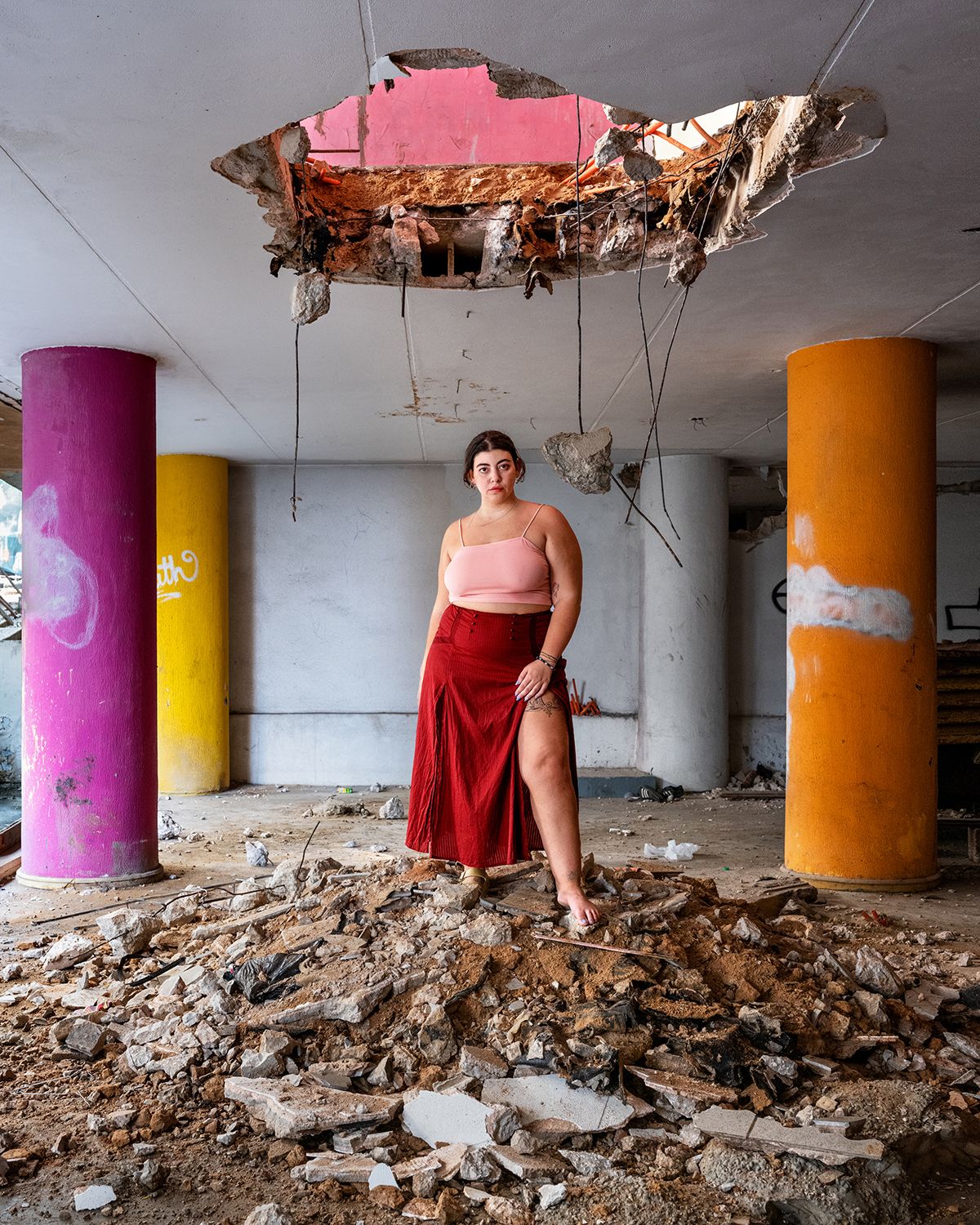
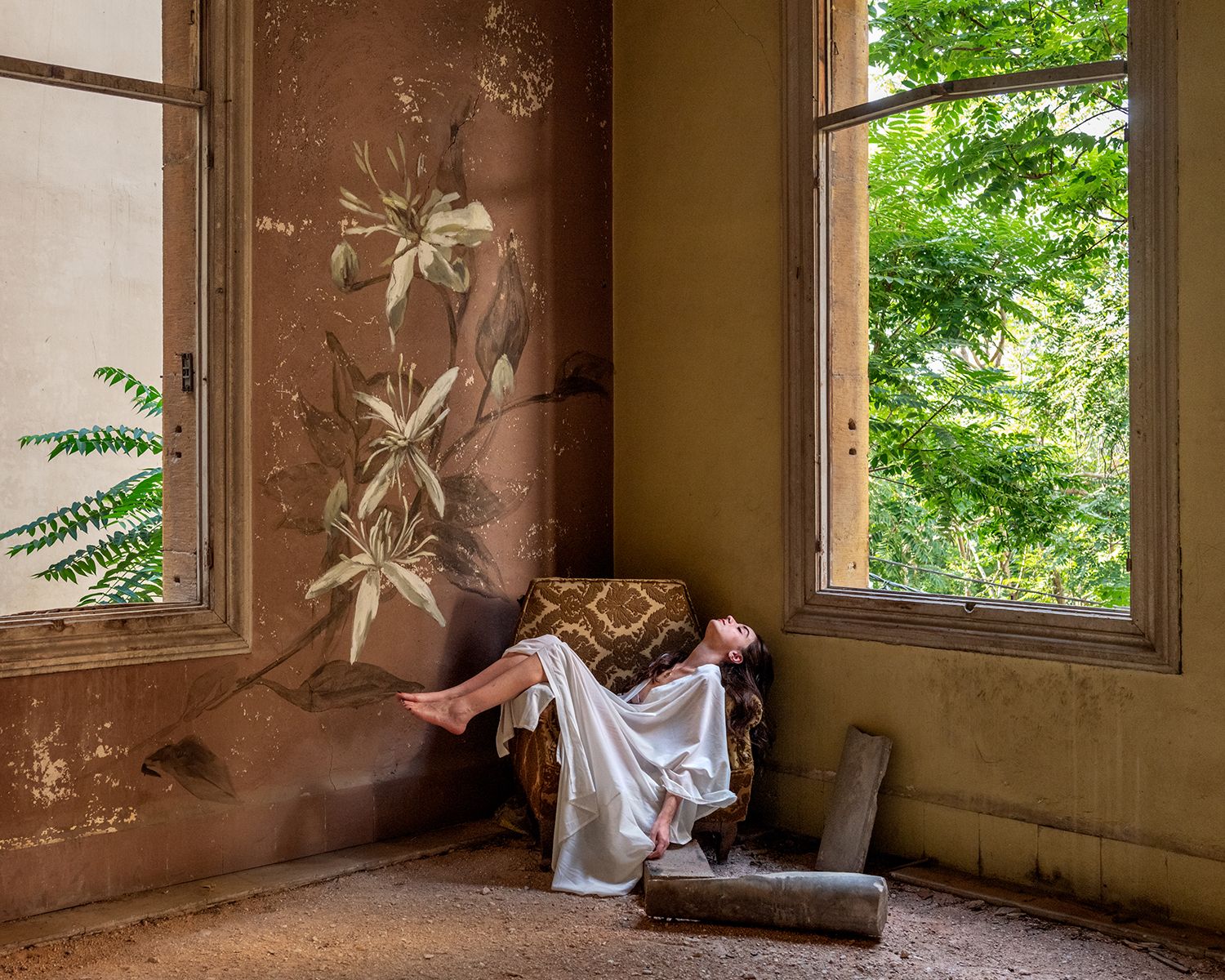
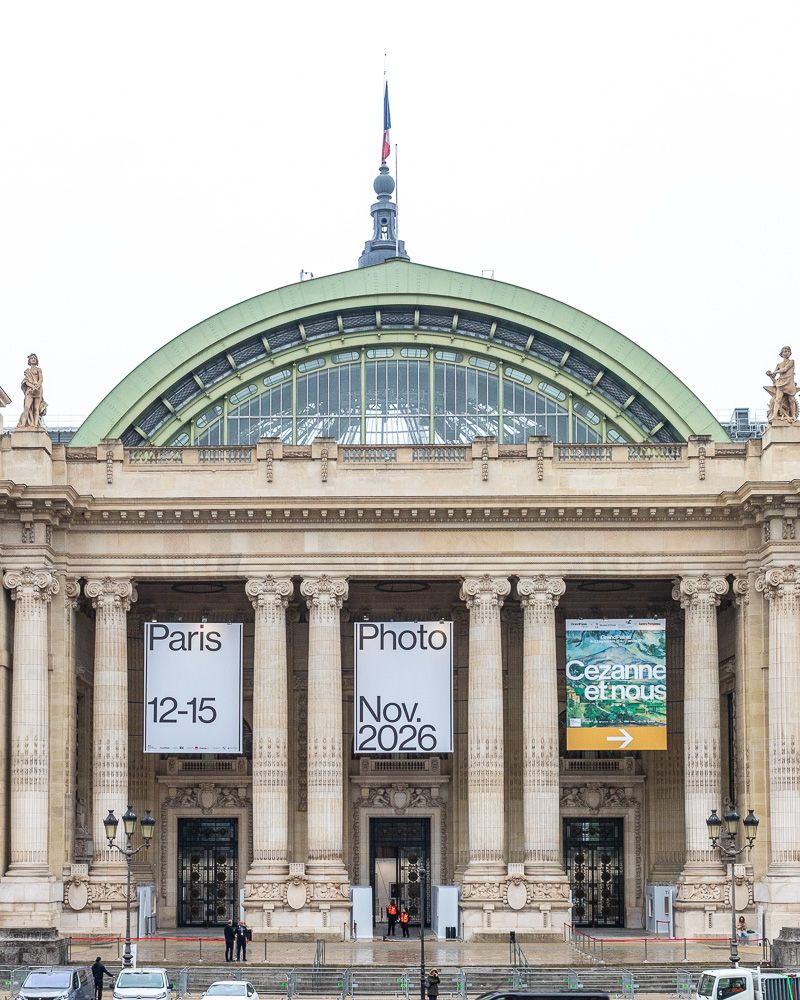
Matar describes the women as active participants in making the photographs. When you look through the book, notice where they put themselves within each setting and how much of the room Matar leaves in view. The book was published by KAPH Books and the Eskenazi Museum of Art. The photographer lists a signing at Paris Photo on Saturday, November 14, at 3 p.m. local time at the KAPH Books booth, L13.
Depth of field describes the range that looks acceptably sharp. Learn how aperture, focus distance and background separation affect a picture, with a repeatable exercise.
Check the museum’s visitor policy, then look for signs in the exhibition. A handheld photo, a tripod and a planned shoot can each follow different rules.
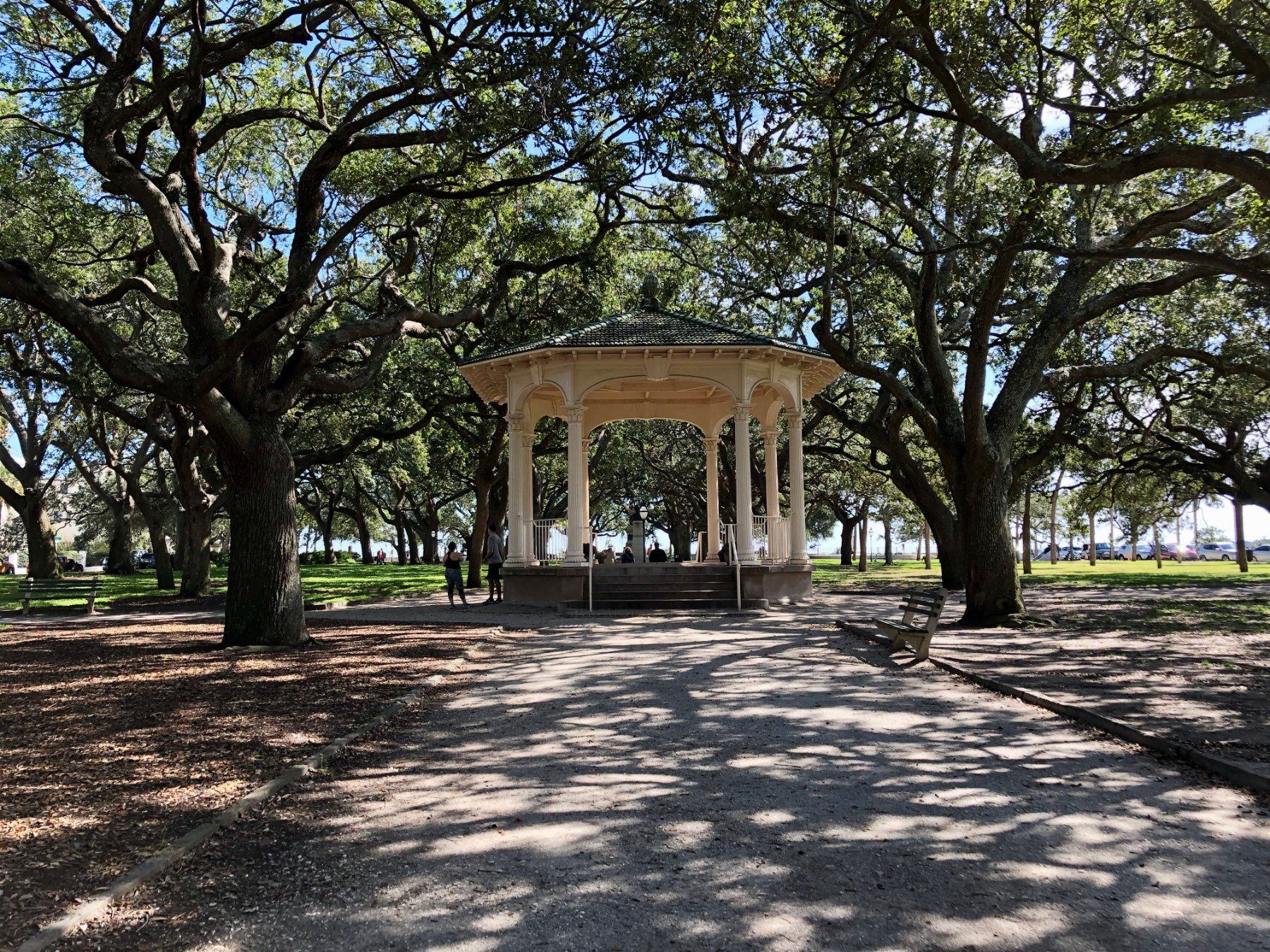
Walk from Charleston’s Waterfront Park to White Point Garden via Rainbow Row. Look for open harbor light, repeated facades, and the contrast between the oak canopy and the seawall.
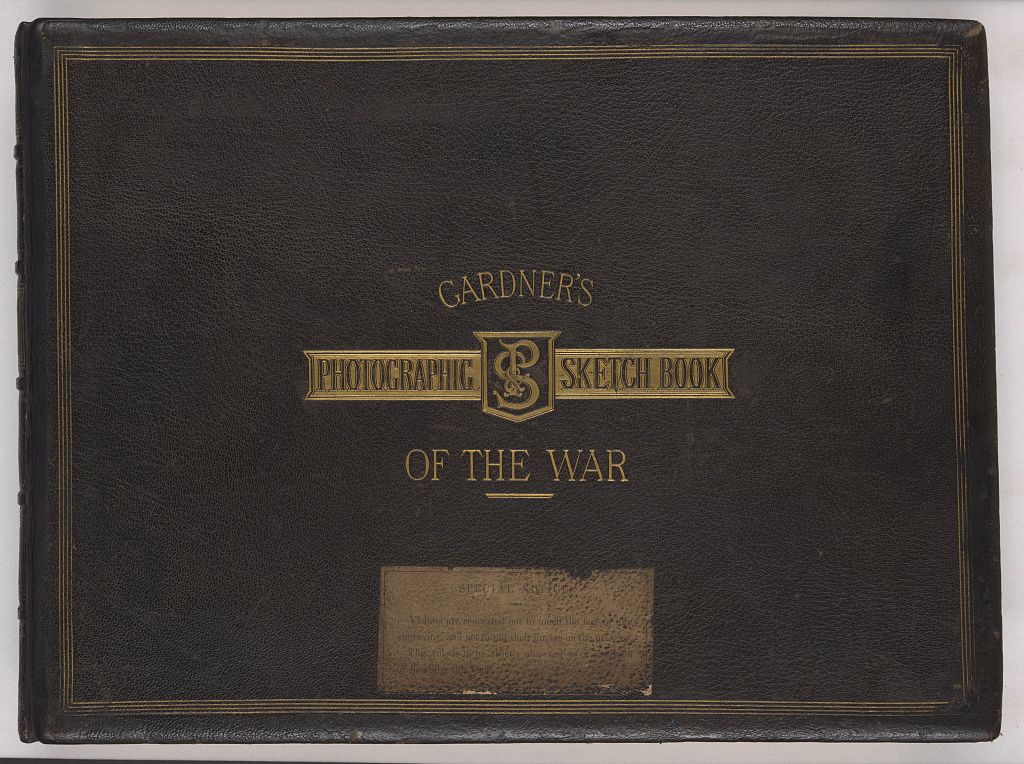
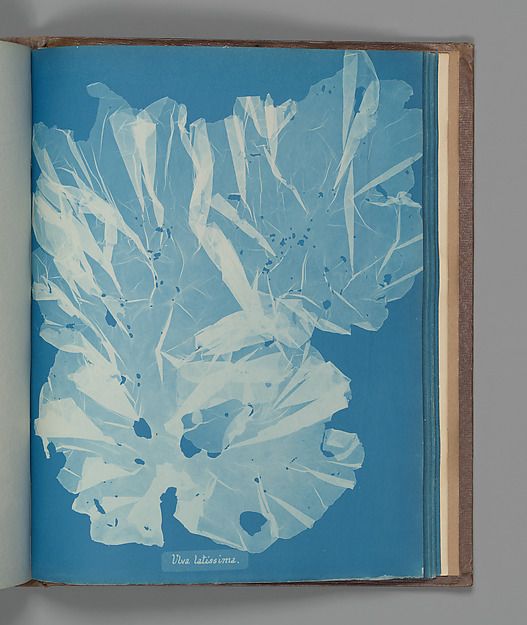
Read a photobook through its page turns, captions, scale and sequence. A practical looking exercise, with an 1866 book showing how text and photographs work together.
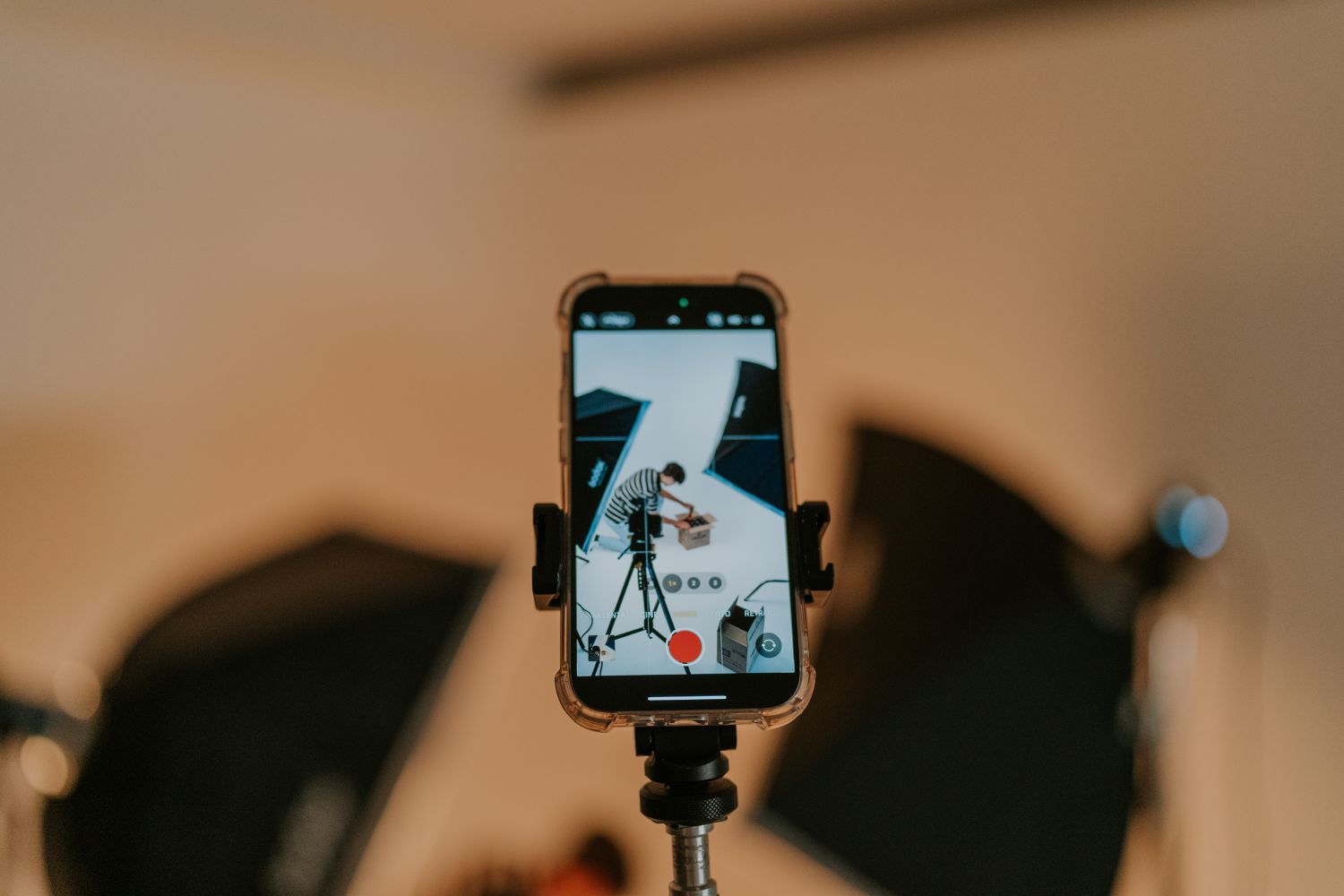
A separate camera needs a reason to leave the house. Compare framing, handling and the file workflow before assuming any compact is an upgrade from your phone.
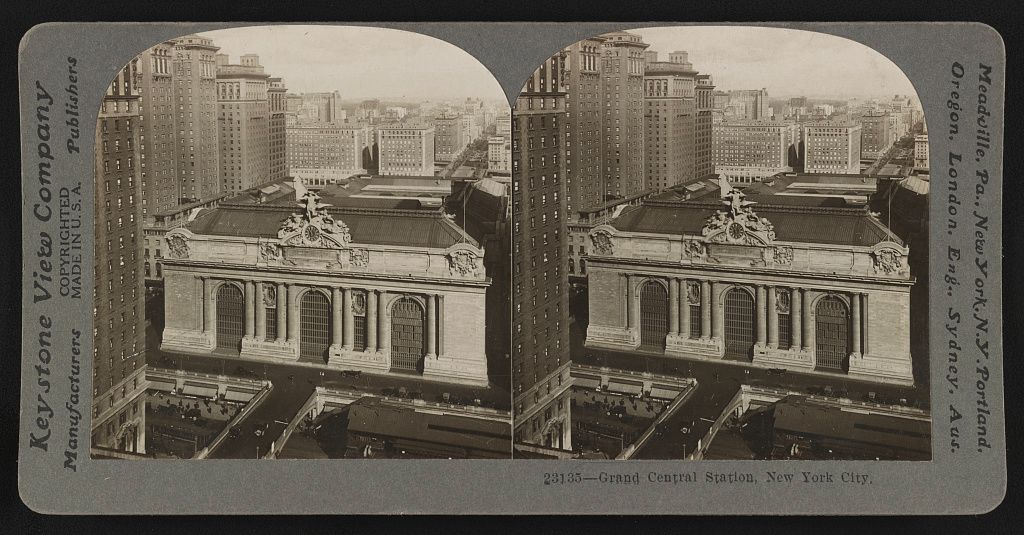
Street life, railway stations and an imagined New York reveal how postcards could picture a place, sell an idea and change from one printing to the next.
Find the viewpoint, check the light and work out how to get there. A practical scouting plan for a photo walk, a day trip or somewhere you have never visited.
Explore Remjet 1.0 feature by feature: camera controls, RAW photos, video projects, color grading, audio, collages, exports, location scouting, and light planning.