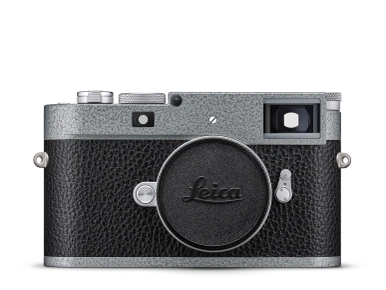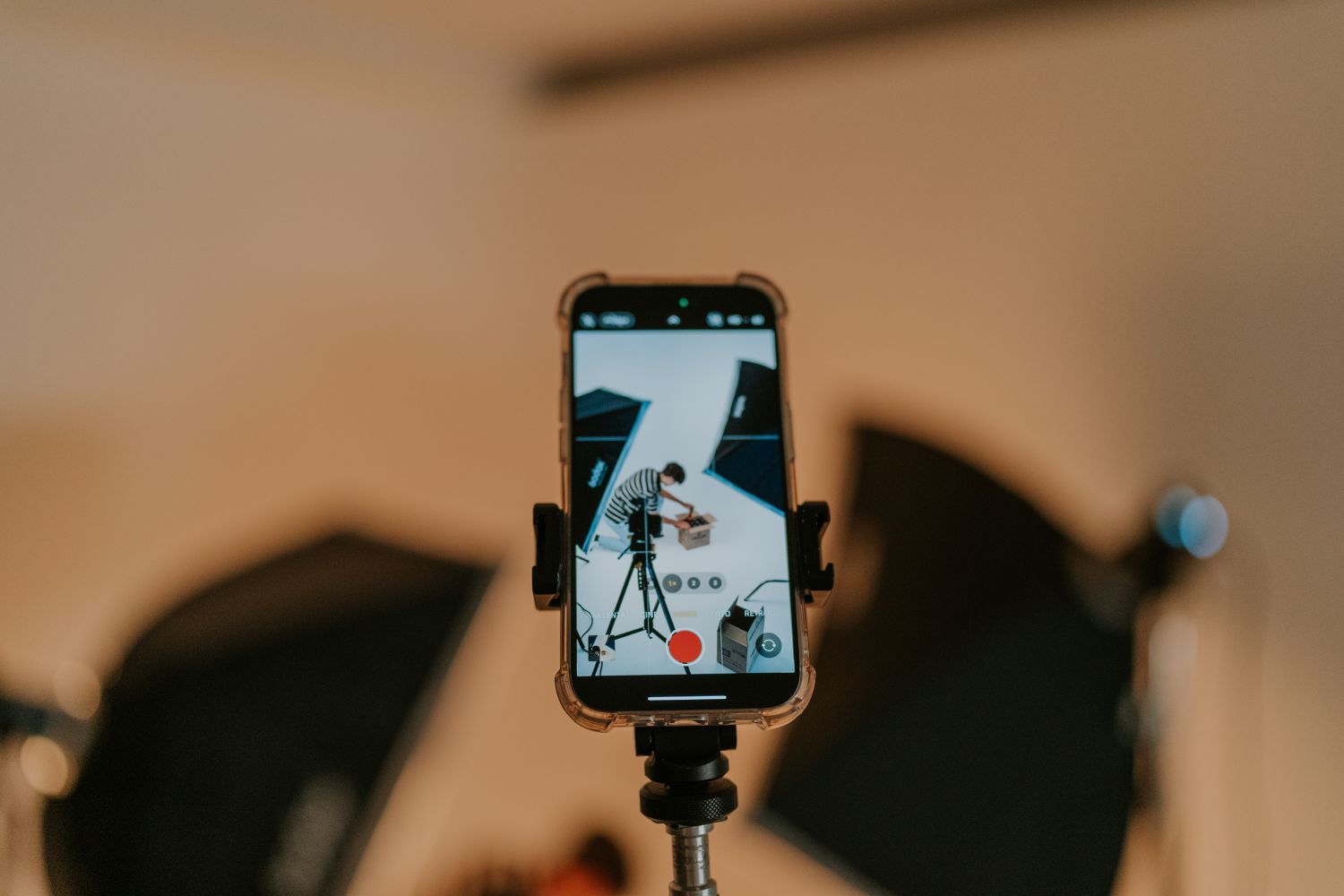
A compact camera adds another object to charge, carry and learn. That can be welcome: a dedicated shutter button, a particular lens, or simply a reason to leave your phone alone. But “better than a phone” is too broad a job description. Start with the photograph or the way of working you want, then ask whether a particular camera makes it easier.
Compact does not tell you what the lens can do
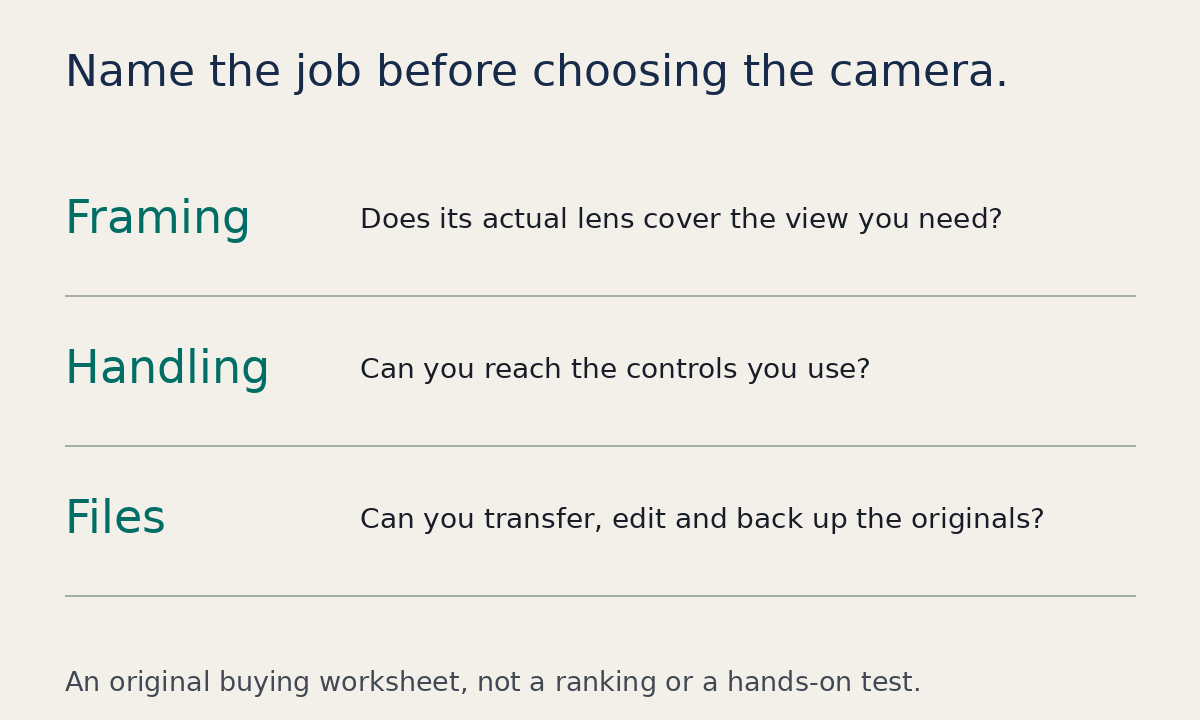
Two cameras can fit into the same category and offer quite different framing. Canon lists a 24–100 mm equivalent optical zoom for the PowerShot G7 X Mark III. Ricoh lists a fixed 28 mm equivalent lens for the GR IV. One lets you change optical framing across a range; the other starts from a single focal length. Neither description makes one the right camera for every walk.
Use the same kind of number when comparing them. Our focal-length guide explains why actual millimeters and 35 mm equivalent figures should not be mixed. Check the views available on the phone you already use, too.
Suppose the detail you want is across a street and you cannot safely move closer. A suitable optical zoom may solve that specific framing problem. If you mostly want to photograph what is close at hand, a zoom range you rarely use may matter less than how quickly you can reach the controls. These are scenarios to check, not results from a camera test.
Handling is part of the photograph
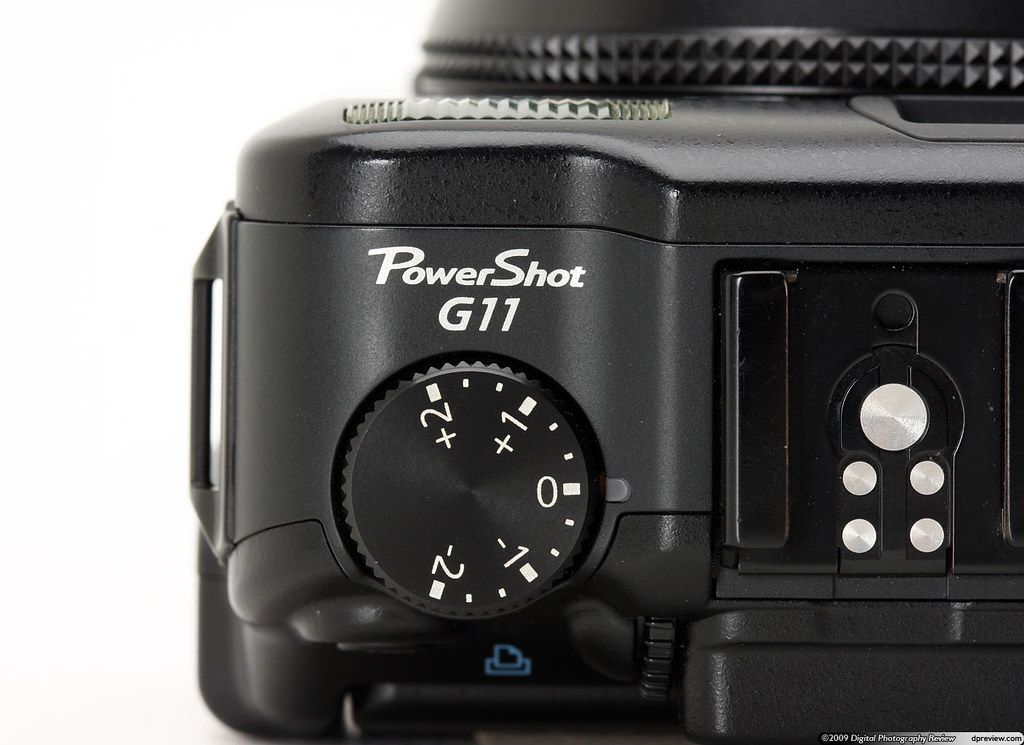
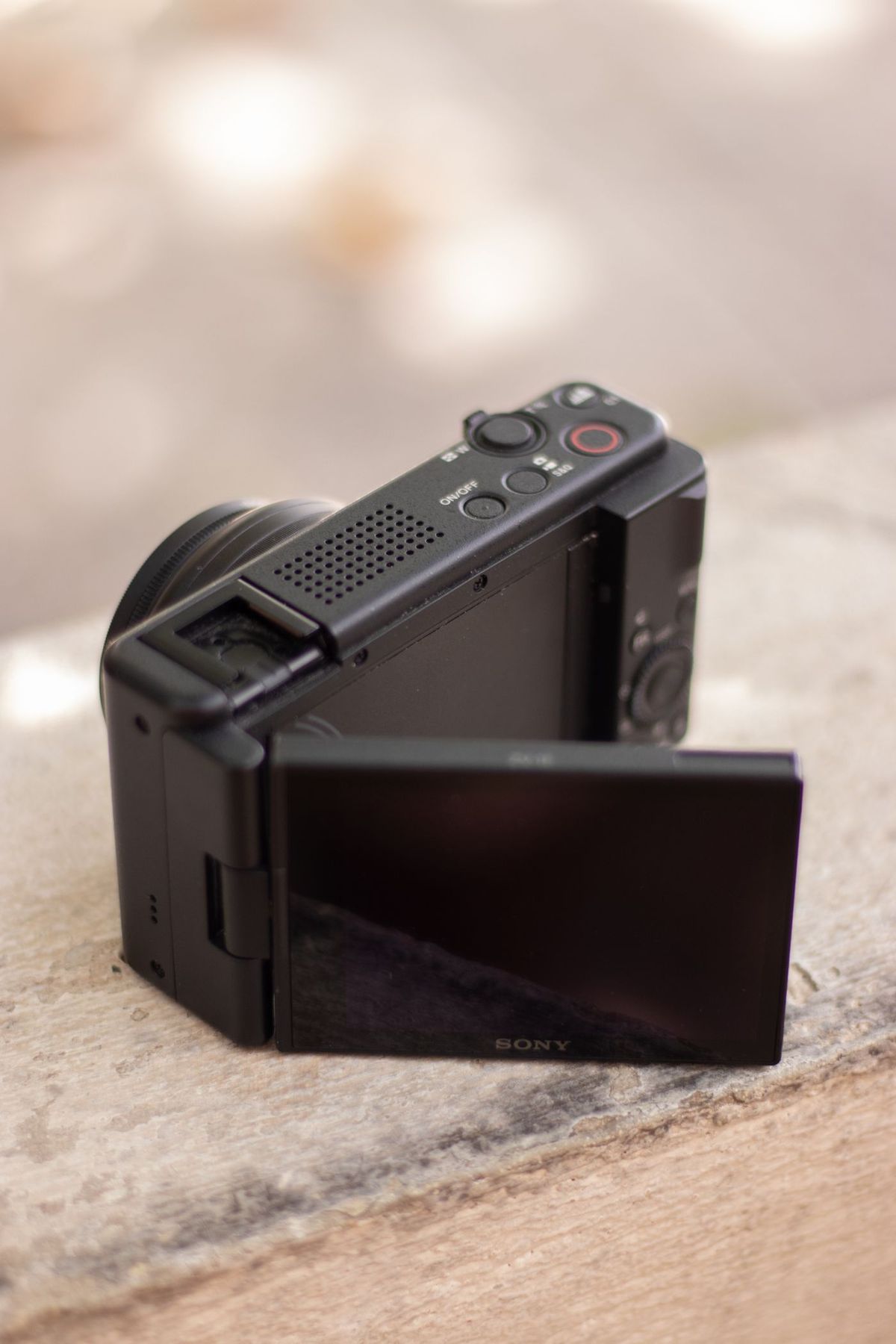
Look at the camera in the featured photograph: the screen can face away from the back of the body, and the shutter and recording buttons are separate physical controls. Those features suggest questions for trying a camera in person. Can you see the screen at the angles you use? Can you change exposure without losing your place? Is the grip comfortable with the strap attached?
A specification sheet can tell you a control exists. It cannot tell you how that control feels in your hand. This is a researched overview, not a hands-on review. If handling is the reason for buying, make it something you assess before paying.
Count the steps after pressing the shutter
Write out a short route from taking a picture to keeping it: battery charged, camera carried, file transferred, original backed up, finished picture shared. Check the actual connection and file support for the camera and devices involved. A wireless feature on a box does not tell you whether you will enjoy using the transfer workflow every day.
A phone may be with you when a moment happens. A separate camera may make photography feel more deliberate when you head out to look. Neither habit is automatically more serious. Name one limit you want to remove, and test the candidate against it. If your reason is image quality, seek comparisons that state the scene, settings and processing; this overview does not establish a winner.